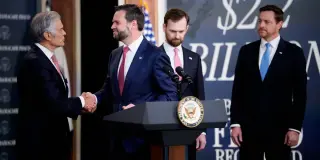
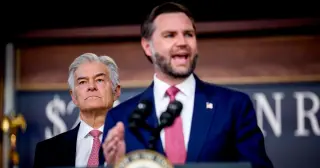
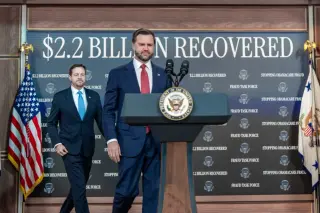
The Trump administration has canceled 760,000 Affordable Care Act (ACA) plans, claiming fraud, and is investigating 420,000 more. Officials say the move saves $2.2 billion, but experts warn it may disenroll legitimate enrollees and worsen coverage gaps.
The Trump administration has canceled health insurance for 750,000 people, claiming fraud, while experts argue the move targets legitimate enrollees and ignores the impact of expired subsidies.
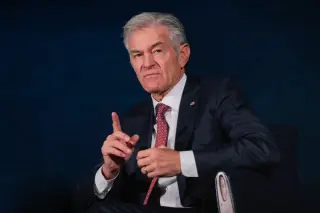
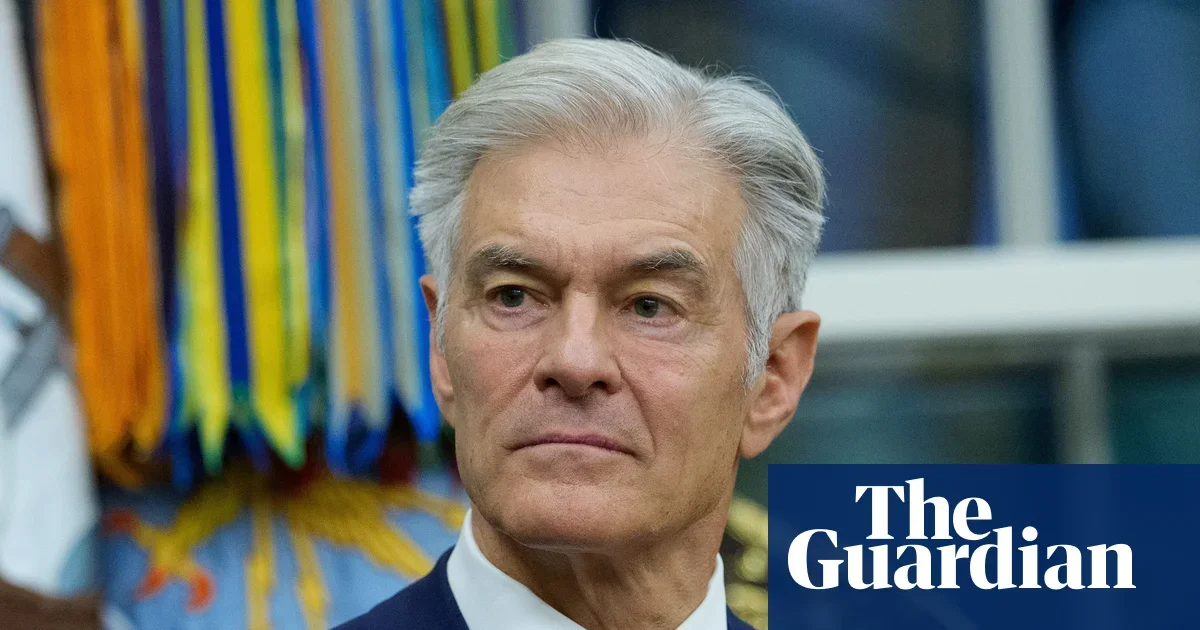
The Trump administration has canceled coverage for approximately 750,000 Affordable Care Act enrollees, claiming they were fraudulently enrolled or did not exist. Vice President JD Vance and CMS Administrator Mehmet Oz stated the move will save taxpayers $2.2 billion. While the administration is investigating an additional 419,000 cases, health experts dispute the scale of the fraud, arguing that enrollment declines are largely due to the expiration of pandemic-era subsidies rather than widespread fraud.
The Trump administration has canceled 315,000 Affordable Care Act marketplace enrollments, affecting approximately 760,000 people, citing widespread fraud and improper eligibility. Vice President JD Vance and CMS Administrator Mehmet Oz announced the action on September 22, 2026, estimating it will save the federal government $2.2 billion. The administration is also verifying the eligibility of another 419,000 enrollees and suspending insurance brokers accused of facilitating fraudulent sign-ups. While officials describe the move as a necessary crackdown on 'phantom' enrollees and ineligible recipients, critics argue the criteria are vague and may strip coverage from legitimate beneficiaries.
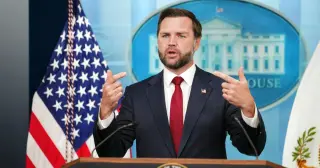
The Trump administration has disenrolled approximately 760,000 individuals from Affordable Care Act (ACA) marketplaces, citing fraudulent enrollment. Vice President JD Vance announced the move on Tuesday, stating it will save the government $2.2 billion. The administration is also conducting additional verification on 419,000 other enrollees and suspending insurance brokers involved in improper signups. This action is part of a broader anti-fraud initiative led by Vance, HHS, and CMS, which has shifted to a proactive 'stop and caught' model using AI analytics. Critics argue the process bypassed standard regulatory channels and may impact legitimate enrollees, while supporters contend it addresses significant waste following the expiration of pandemic-era subsidies.
CMS head Dr. Mehmet Oz told CBS that the MMR vaccine is not lethal, clarifying President Trump’s claims that the shot could be lethal. Trump has signed an executive order to overhaul vaccine recommendations, including splitting MMR into separate doses, though no evidence was provided to support lethal claims. The MMR vaccine has been in use for decades with hundreds of millions of doses administered.”
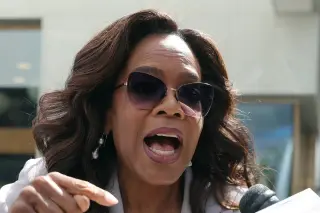
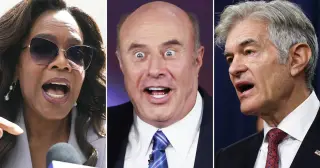
Oprah Winfrey says she invited Dr. Phil and Dr. Oz onto her show because she believed they had valuable information to share, defending the decision despite their later alignment with the MAGA movement and Trump, and highlighting their past role in shaping her program and career.
Oprah Winfrey says she gave Dr. Phil McGraw and Dr. Mehmet Oz a platform on her show because she believed they shared valuable information, which helped launch their careers; decades later both became Trump-aligned figures—McGraw at conservative causes and Oz heading the CMS—leading Winfrey to defend her past decisions and say platforming them wasn’t a endorsement of their politics.
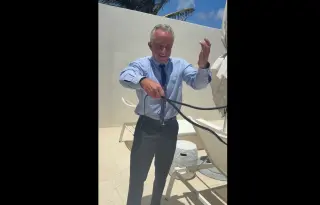
Robert F. Kennedy Jr. posted a video of himself wrangling two black racer snakes on Dr. Oz’s West Palm Beach patio while Cheryl Hines urged him to let them go; one snake bit his finger, but RFK Jr. appeared unfazed, adding to a string of small-animal escapades surrounding the Kennedy family.
A POLITICO/PUBLIC FIRST poll maps the Make America Healthy Again (MAHA) coalition around Robert F. Kennedy Jr., profiling figures like Mehmet Oz, Marty Makary, Calley Means, Gwyneth Paltrow, and others who are shaping federal health policy—emphasizing nutrition over vaccines and revealing mixed public opinions about Kennedy and his aides.
The Centers for Medicare and Medicaid Services admitted that Mehmet Oz’s claim that New York’s Medicaid provided around 5 million people with personal care services was incorrect. The actual number was about 450,000 (roughly 6–7% of enrollees), due to a billing-code misinterpretation. CMS said it will refine its methodology and continue the fraud probe as part of a broader anti-fraud effort across states, with New York officials and Gov. Hochul insisting Oz’s mischaracterizations were inaccurate.
California Gov. Gavin Newsom filed a civil rights complaint with the Department of Health and Human Services challenging Dr. Mehmet Oz's video alleging Armenian Americans in Los Angeles orchestrated hospice and home-care fraud, countering with California’s actions to revoke licenses and calling the claims racist; the feud reflects broader partisan tension with the Trump administration.
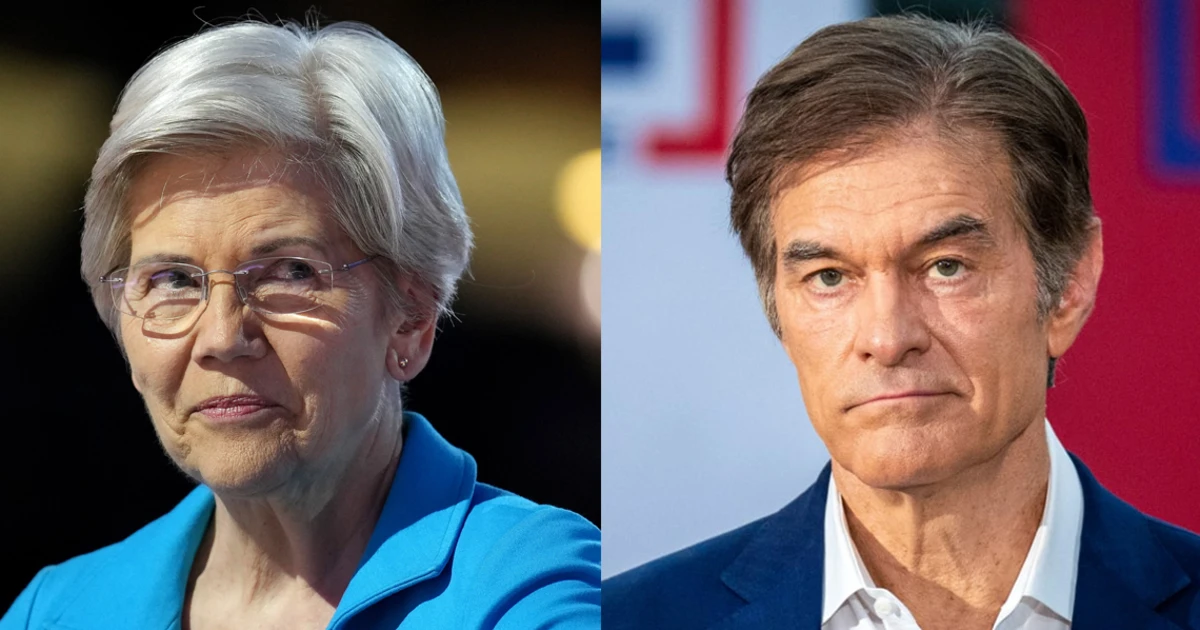
Democratic senators, led by Elizabeth Warren, are questioning Mehmet Oz, Trump's pick to lead the Centers for Medicare and Medicaid Services, about his past support for Medicare privatization and financial ties to private insurers. They are concerned about his 2020 advocacy for replacing traditional Medicare with Medicare Advantage and his financial interests in UnitedHealth, a major player in Medicare Advantage. The Democrats are seeking assurances that Oz will not support policies to privatize or cut Medicare if confirmed.
Mehmet Oz, appointed by President-elect Trump to lead the Centers for Medicare and Medicaid Services, faces challenges within the Republican Party over the Medicare Advantage program. While Oz and the Trump administration support expanding Medicare Advantage, concerns about its cost and the influence of big insurance companies are causing tensions. Some Republicans are pushing for reforms to reduce overpayments and streamline authorizations, reflecting a populist shift against big business. Despite these challenges, industry leaders remain optimistic about the program's future under Oz's leadership.
The article discusses the recent developments in Trump's second term, highlighting the withdrawal of Matt Gaetz's nomination for attorney general and the subsequent nomination of Pam Bondi. It also covers other controversial appointments, including Pete Hegseth and Mehmet Oz, and the potential implications of Elon Musk and Vivek Ramaswamy's plans to reduce federal spending. Additionally, it touches on Nancy Mace's anti-trans actions and the media dynamics involving Joe Scarborough and Mika Brzezinski's meeting with Trump.