
Early Flu Season Drives Surge in Cases Amid CDC Communication Gaps
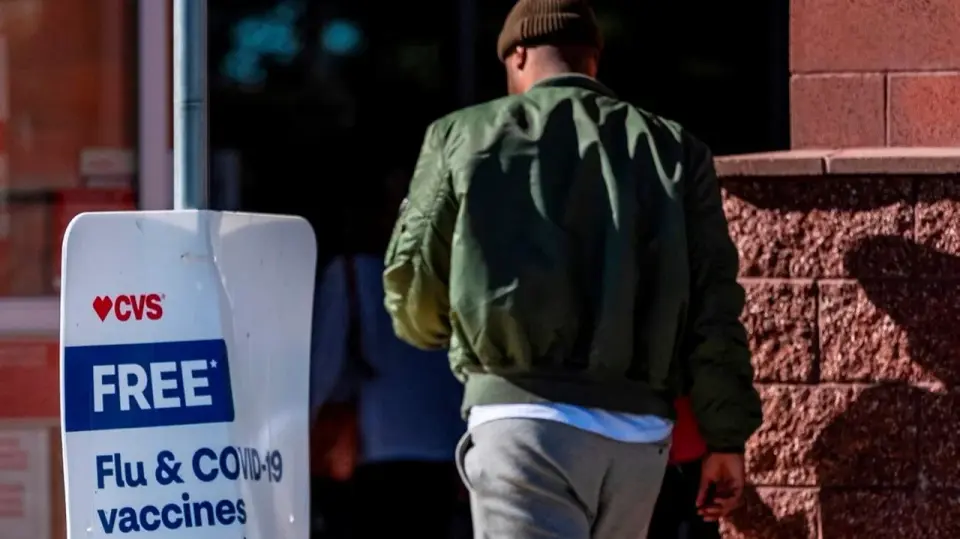
The 2026-2027 flu season has arrived earlier than usual, with case counts in New York and the US significantly exceeding last year's levels. While vaccination rates have risen slightly for some demographics, overall uptake remains below targets. The CDC has halted its traditional public awareness campaigns and shifted data reporting from weekly to monthly, prompting state health departments and medical professionals to fill the communication void. Doctors urge immediate vaccination to protect vulnerable groups, noting that the season's early start has caught many Americans off guard.
Key points
- New York State reported 43,379 laboratory-confirmed flu cases as of November 14, 2026, compared to approximately 7,000 at the same time last year.
- CDC data indicates about 32% of children and teens, 29% of pregnant women, and 37% of adults have received the flu vaccine this season, with rates varying by age group.
- The CDC discontinued its 'Wild to Mild' flu campaign and stopped holding regular news conferences, a shift attributed to HHS Secretary Robert F. Kennedy Jr.'s influence.
- Vaccination data collection changed from weekly to monthly, delaying the release of national uptake statistics until late November, which complicates local public health planning.
- HCA Florida Brandon Hospital reported that flu cases in its emergency rooms nearly tripled from September to October and quadrupled compared to the same period last year.
Background
Previous coverage noted that California officials urged vaccination against flu, COVID, and RSV in late October 2026, aligning with early CDC reports of rising influenza activity. Experts had also advised receiving flu and COVID shots simultaneously to prevent holiday illness. A study published in November 2026 suggested high-dose flu shots might be associated with a lower risk of Alzheimer's in older adults, though this did not change general vaccination recommendations. Health Canada approved new mRNA flu and dual flu-COVID vaccines for seniors, but these were not available for the current season.
How outlets are covering it
Newsday highlights a local shift in vaccine hesitancy, noting that parents in Long Island are more willing to vaccinate children this year, with 42% of children aged 6 months to 4 years vaccinated compared to 36% last year. CNN emphasizes the national impact of the CDC's silence, noting that the agency's lack of public campaigns and delayed data has left states and medical professionals to fill the void, with some experts calling the situation 'shocking.' Scientific American focuses on the operational impact of the CDC's shift from weekly to monthly data reporting, arguing that delayed information hampers doctors' ability to anticipate patient surges and plan staffing. Osprey Observer provides a regional perspective from Tampa Bay, highlighting a sharp increase in emergency room visits and urging immediate action, contrasting with the broader national narrative of hesitancy.
Why it matters
The early onset of flu season, combined with reduced federal communication and delayed data, creates a public health challenge where vulnerable populations may remain unprotected. The shift in CDC practices under new leadership has fragmented the national response, forcing state and local entities to manage the crisis with less coordinated support. This could lead to higher hospitalization rates and strain on healthcare systems during the holiday season.
What to watch
Health officials and medical associations are expected to continue urging vaccination as the season progresses. The CDC may release further monthly data updates, but the absence of traditional public campaigns is likely to persist. State health departments will continue to coordinate outreach efforts, particularly targeting at-risk groups such as older adults and young children. The impact of holiday travel on flu spread will be monitored in the coming weeks.
- Health officials urge flu shots, with cases up sharply Newsday
- The CDC stays quiet on flu as an early season catches many Americans off-guard CNN
- Lagging CDC vaccination data could hamstring doctors as flu season hits Scientific American
- Flu Cases Surge As Season Prompts Warning From Brandon Hospital Physicians Osprey Observer
- Flu activity picks up Nationwide: See the hardest-hit states USA Today
Want the full story? Read the original reporting
Read on Newsday