
Infant Bleeding Rates Double as Vitamin K Refusals Surge Amid Public Health Mistrust
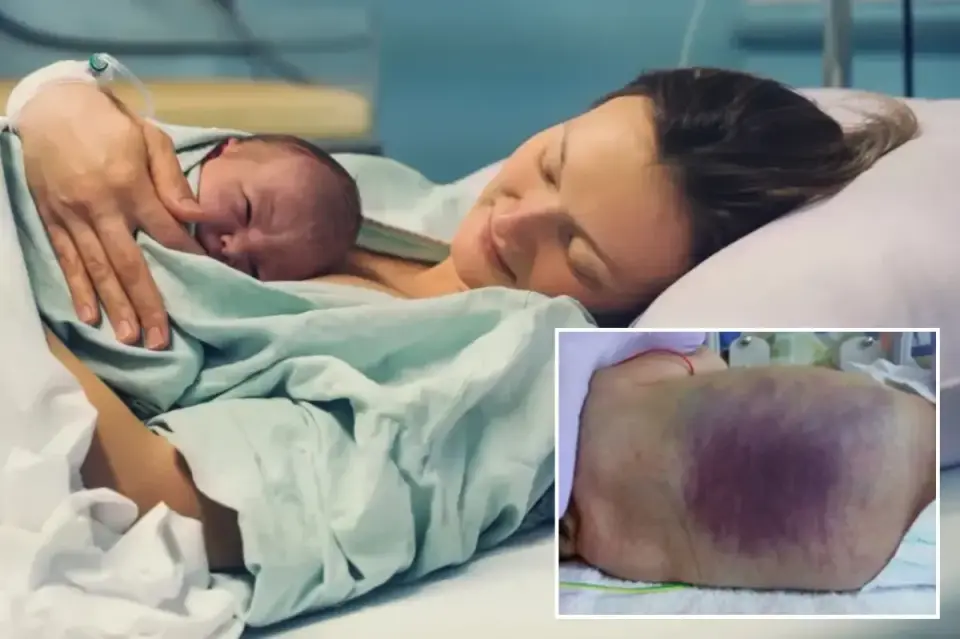
U.S. infant bleeding rates have doubled since 2017 as parental refusal of routine vitamin K shots rises. New studies link this trend to growing mistrust of medical interventions, with refusal rates jumping from 3.1% to 6.8% by 2025.
Key points
- Two studies published in JAMA and JAMA Pediatrics analyze over 5.2 million and 11 million infant records, respectively, showing a sharp rise in vitamin K deficiency bleeding (VKDB).
- The percentage of newborns not receiving the vitamin K shot more than doubled from 3.1% in 2017 to 6.8% in 2025, with a 20% increase between 2024 and 2025 alone.
- Infants without the shot face a 47% higher risk of bleeding in the first six months and more than double the risk of intracranial bleeding compared to those who receive it.
- For every 114 newborns who skip the injection, one additional bleeding event occurs, according to researchers at the Children’s Hospital of Philadelphia.
- The CDC does not currently track vitamin K refusals or bleeding rates, though some lawmakers have called for such monitoring.
Background
Vitamin K injections have been standard care for newborns in the U.S. since 1961 to prevent VKDB, a rare but potentially fatal condition. Prior to 2022, refusals were sporadic and rare, according to pediatricians. Recent archive coverage noted that while the CDC still recommends the shot, tracking of refusals remains absent, and experts link the trend to broader mistrust of medical interventions following the COVID-19 pandemic.
How outlets are covering it
The New York Post emphasizes the direct correlation between rising refusals and increased bleeding, highlighting that 4.5% of babies had no documented shot in a 2017-2025 study. ABC News focuses on the human impact, citing pediatricians who have seen a 'significant uptick' in refusals, with one doctor reporting five out of ten newborns leaving without the shot in a single day. NBC News contextualizes the trend within broader public health mistrust, noting that refusal rates accelerated under Health Secretary Robert F. Kennedy Jr., who has dropped recommendations for six vaccines, though changes to the childhood vaccination schedule are currently on hold due to legal challenges. All sources agree that the vitamin K shot is a naturally occurring nutrient, not a vaccine, and that refusal is driven by misinformation and confusion with vaccination schedules.
Why it matters
VKDB can cause permanent brain damage or death, with 20% of affected infants dying and 40% of survivors suffering long-term neurological damage. The rising refusal rate threatens to reverse decades of progress in preventing these life-threatening complications, placing a growing number of infants at risk during their most vulnerable months.
What to watch
The CDC has declined to say whether it will begin tracking vitamin K refusals or bleeding events, despite calls from lawmakers. Health experts urge parents to consult pediatricians before refusing the shot, emphasizing that the injection is a simple, safe, and effective preventive measure. The trend is expected to continue as public mistrust of medical interventions persists.
- Life-threatening infant bleeding rates have doubled in a year as parents make dangerous mistake New York Post
- Infant Bleeding Surged as Parents Rejected Vitamin K Shots, Studies Find The New York Times
- More parents are declining vitamin K shots for newborns, putting more babies at risk of bleeding: Study ABC News - Breaking News, Latest News and Videos
- U.S. infant bleeding episodes jump as vitamin K refusals rise, two studies find NBC News
- Infant bleeding surged last year as parents refuse vitamin K shot for newborns The Washington Post
Want the full story? Read the original reporting
Read on New York Post