
US Measles Cases Surpass 2,300, Marking Worst Year Since 1992
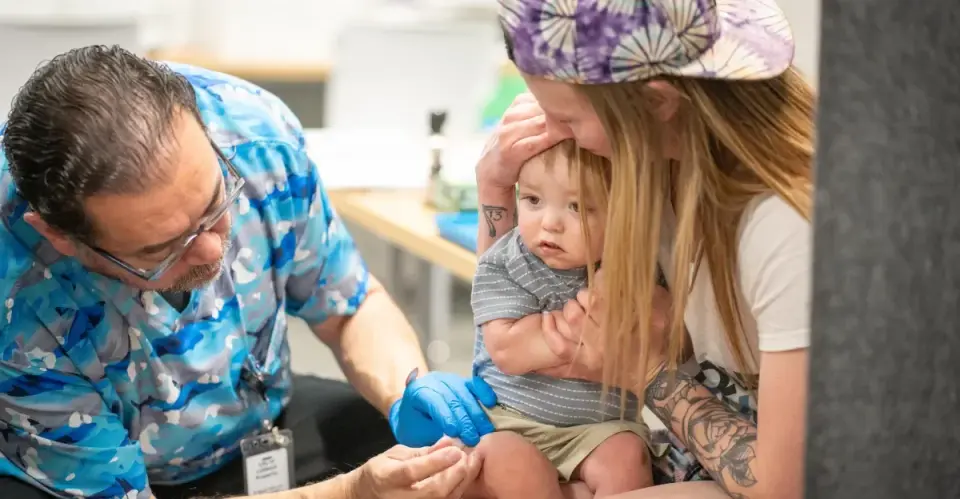
The United States has recorded over 2,300 confirmed measles cases in 2026, exceeding the total for all of 2025 and marking the highest annual count since 1992. This surge, driven by declining vaccination rates and political polarization, has led to large outbreaks in states like South Carolina, Utah, and Pennsylvania. While the CDC reports that 93% of patients are unvaccinated, experts warn that the US is on track to lose its measles elimination status. In response to the rising cases, biotech firms are accelerating the development of monoclonal antibody treatments, though these remain years away from widespread availability.
Key points
- The CDC confirmed 2,318 measles cases in the US as of July 2026, surpassing the 2,289 cases recorded in all of 2025.
- Only 28% of US counties currently meet the 95% vaccination threshold required to stop measles transmission.
- Large outbreaks are concentrated in South Carolina, Utah, Virginia, and Pennsylvania, with Pennsylvania reporting 139 cases.
- 93% of 2026 patients are unvaccinated or have unknown vaccine status, with 20% of cases involving children aged 5 and under.
- Biotech companies like Invivyd and Vanderbilt University are developing monoclonal antibody therapies to treat measles, though human trials are not yet underway.
Background
The US formally eradicated measles in 2000 following decades of aggressive public immunization campaigns. However, the disease has resurged due to declining trust in health authorities and political polarization. The 2026 outbreak is the first significant resurgence since the 1990s, with case numbers now exceeding the total for the 24 years prior to 2025.
How outlets are covering it
Vox attributes the resurgence to a combination of political polarization, misinformation, and a sense of complacency among the public, noting that the success of past vaccination efforts has led to a lack of fear regarding the disease. The New York Times emphasizes the role of Health Secretary Robert F. Kennedy Jr., who has halted funding for vaccine hesitancy research and downplayed measles risks, making a nationwide vaccination push unlikely. WIRED highlights the shift toward developing treatments, such as monoclonal antibodies, as a necessary backup given the decline in vaccination rates, while CIDRAP focuses on the demographic impact, noting that 69% of cases involve individuals under age 19.
Why it matters
The resurgence of measles threatens to reverse decades of public health progress, potentially leading to a loss of elimination status. The high contagiousness of the virus, requiring 95% community immunity to prevent transmission, means that low vaccination rates in many counties create significant risks for unvaccinated infants and immunocompromised individuals. The development of new treatments is a critical but slow response to a crisis that is already causing hospitalizations and school absences across the country.
What to watch
The US is expected to lose its measles elimination status by the end of 2026. Biotech companies are working to secure FDA approval for clinical trials of monoclonal antibodies, though these treatments are not expected to be widely available for years. Public health officials are urging communities to increase vaccination rates, though political and social barriers remain significant obstacles.
- The worst year for measles in a generation vox.com
- Measles Is Becoming So Common That Treatments May Soon Be Needed WIRED
- Measles Cases Hit New Record in U.S., as Vaccination Rates Wane The New York Times
- CDC: Ever-expanding US measles outbreak tops last year's total CIDRAP
- Ohio health officials push measles vaccine as cases climb NBC4 WCMH-TV
Want the full story? Read the original reporting
Read on vox.com