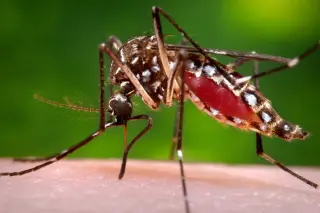
Florida is facing its worst dengue outbreak in decades, with Hillsborough County declaring a state of emergency on September 24. While case counts vary by source, local transmission has surged, prompting emergency measures and raising concerns about the disease's potential to become endemic in the U.S.
ProPublica’s analysis of CDC data finds about 196 deaths from ectopic pregnancies between 2020 and 2026, roughly double the ~100 deaths in the prior six years, with the rise nationwide but steeper in states that enforce abortion bans after Dobbs. The investigation links delays and hesitancy in treating ectopic pregnancies in ban states to worse outcomes, highlights gaps in data and research, and calls for national reviews and more funding to understand and prevent these preventable deaths.
ProPublica analyzes CDC data and finds a sharp rise in deaths from ectopic pregnancies—about 196 deaths from 2020–2026 versus 106 in the previous six years—with the increase much steeper in states with strict abortion bans. The investigation ties delays and refusals of care to the bans, highlights patient stories in Texas and Arkansas, and notes federal funding and staffing cuts that hamper surveillance and clinician training. While bans aren’t the sole cause, experts say access barriers and policy changes likely contribute to preventable deaths, underscoring the need for better data, guidance, and faster treatment.
COVID-19 infections are rising across all 50 states as summer ends, with the South and West seeing the biggest increases and fall/winter waves expected; CDC data show nationwide upticks not at last year’s peak, and immunity remains low due to poor vaccination rates (about 17.5% of adults with the last shot). Common symptoms stay upper-respiratory (runny nose, congestion, sore throat, fever), though more severe cases can cause breathing trouble. The piece emphasizes vaccination, air hygiene, and other protections, and notes treatments like Paxlovid and post-exposure Xocova for those at risk.
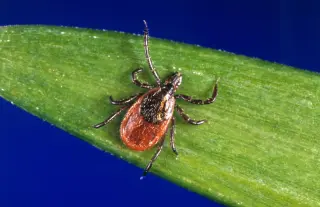
A CDC tick-bite tracker shows an early, larger-than-usual surge in emergency department visits across the U.S., rising from 28 to 114 bite-related visits per 100,000 between March and April as warmer spring weather expands tick activity and ranges. Tick-borne illness risk is driven by the black-legged tick (Lyme disease) and the lone star tick (red meat allergy), with spread into new areas. Most bites don’t require ED care; prompt tick removal is advised and doctors may treat suspected infections with doxycycline before tests return. Tick season generally runs March through October, peaking in late May, with about 31 million bites annually and Lyme disease affecting roughly 476,000 people each year.
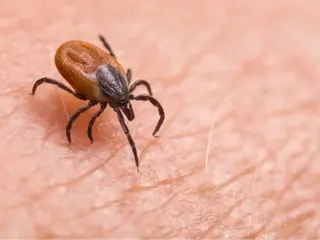
CDC data show emergency room visits for tick-related complaints are climbing nationwide, with the Northeast at 163 per 100,000 visits (up from 52) and the national rate at 71 per 100,000—the highest in about a decade. Health officials point to earlier tick activity and greater awareness contributing to the rise; Connecticut is seeing rising Lyme disease cases, and the report notes risk from multiple tick-borne illnesses. Preventive steps include avoiding high-risk outdoor areas, using EPA-registered repellents, treating clothing with permethrin, wearing protective clothing, performing full-body tick checks, showering after outdoor time, and reducing tick habitat around home.
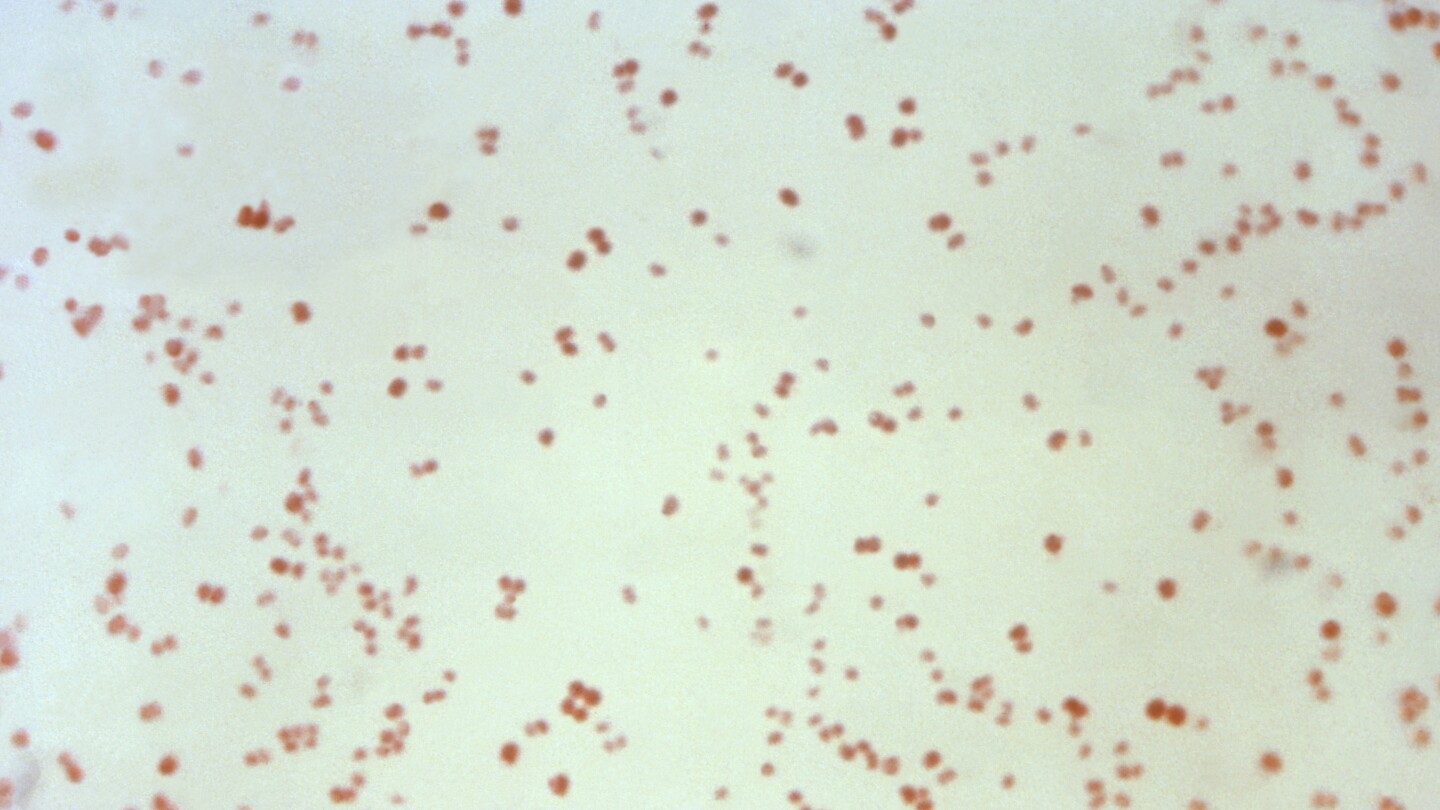
U.S. sexually transmitted disease rates declined overall in 2024, with decreases in gonorrhea, chlamydia, and adult syphilis, but cases of congenital syphilis in newborns increased slightly, highlighting ongoing concerns about maternal and infant health despite overall progress.
The CDC reports that 1 in 31 American children have autism, with rates rising due to changes in diagnostic criteria, increased awareness, and disparities in access to diagnosis, raising questions about whether the increase reflects a true rise or diagnostic expansion.
Drug overdose deaths in the U.S. have decreased to their lowest level in five years, with a significant decline since summer 2023, despite President Trump's continued emphasis on fentanyl as a major threat and his controversial policies. The CDC reports a drop to 77,648 deaths in the year ending March 2025, with notable improvements in states like West Virginia, California, Florida, and New York. Experts suggest that disruptions in fentanyl supply chains and better addiction treatment may contribute to this decline, even as critics warn that funding cuts could hinder progress.
The Carolinas are among the top states in the U.S. for STD rates, with North Carolina and South Carolina ranking 7th and 8th respectively, and Mecklenburg County identified as a significant hotspot, highlighting ongoing public health challenges in the region.
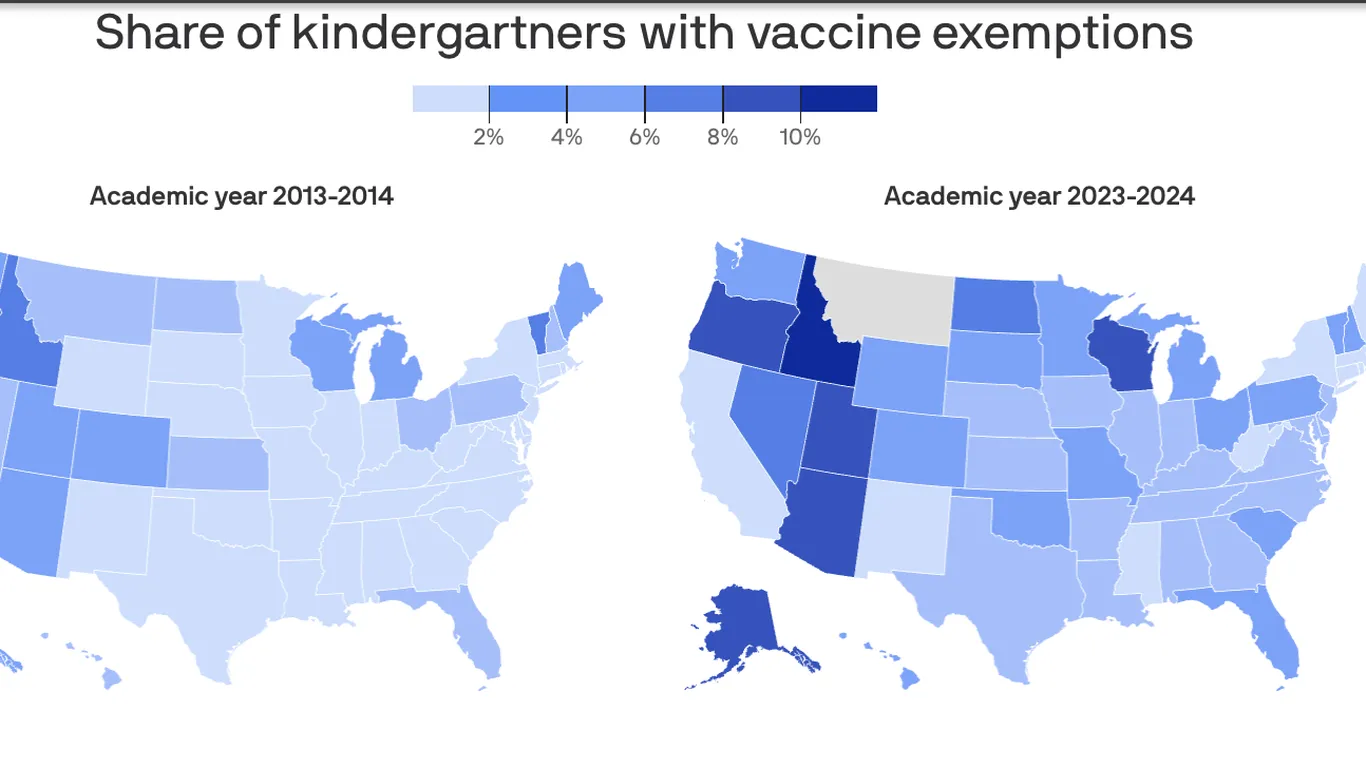
The percentage of U.S. kindergartners with vaccine exemptions rose to 3.3% in the 2023-24 school year, up from 3% the previous year, reflecting growing vaccine skepticism that intensified during the COVID-19 pandemic. This trend is concerning as it leaves more children vulnerable to diseases like measles and polio. The issue may gain further traction with vaccine skeptic Robert F. Kennedy, Jr. expected to take a public health role in the upcoming Trump administration.
The number of babies born with syphilis in the U.S. has increased dramatically over the past decade, with over 3,700 cases reported in 2022, ten times the number in 2012. Driven by the prevalence of syphilis in the community, this rise reflects a larger trend of increasing syphilis cases in adults. While most babies with congenital syphilis have mild or no symptoms, some may experience complications such as premature birth or stillbirth. The increase in cases is largely preventable through better testing and treatment during pregnancy, but complex factors such as late initiation of prenatal care and inadequate testing contribute to the problem. Racial disparities are also evident, with Hispanic, Black, and American Indian/Alaskan Native mothers being more likely to have newborn syphilis. To reverse this trend, there is a need for national political will and improved funding for public health initiatives to address sexually transmitted infections like syphilis.
According to data from the Centers for Disease Control and Prevention (CDC), foreign objects lodged in people's bodies were the ninth leading cause of unintentional injuries that led to emergency room visits in 2021, with over 278,000 U.S. adults seeking care. Some of the strange objects found included magnets, chargers, lollipops, orange peels, and even sex toys. The objects were found in various orifices such as ears, noses, mouths, and genitalia. A study published in the American Journal of Emergency Medicine also revealed that nearly 4,000 people are hospitalized each year due to foreign objects stuck in their rectums.