
U.S. Loses Measles Elimination Status; Experts Debate Booster Needs for Pre-1989 Adults
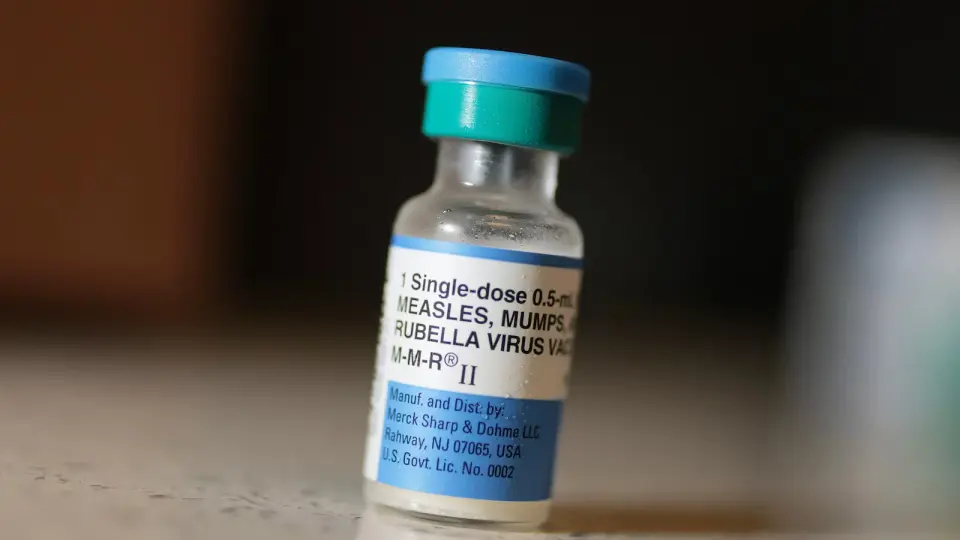
The United States has lost its measles elimination status after the Pan American Health Organization revoked the designation for the U.S., Mexico, and Bolivia. While the CDC maintains that two doses of the MMR vaccine provide 97% protection and no booster is needed for those vaccinated after 1989, infectious disease experts warn that adults vaccinated before 1989 may have waning immunity. With over 8,000 cases and at least 14 deaths reported this year, health officials urge individuals with uncertain vaccination records to consult doctors or receive a booster dose.
Key points
- The Pan American Health Organization stripped the U.S., Mexico, and Bolivia of their measles-elimination statuses last week, ending a status held for over 25 years.
- The CDC recommends two doses of the MMR vaccine, which is 97% effective, while one dose is 93% effective; the second dose recommendation was introduced in 1989.
- Experts like Dr. Tara Narula and Dr. Paul Offit advise that adults vaccinated before 1989 may need a booster, particularly those who received the weakened vaccine between 1963 and 1967.
- The CDC states that adults who received two doses after 1989 do not need a booster, but those with unknown vaccination status should get a dose.
- Pennsylvania has reported over 1,500 cases and nine deaths, while South Carolina, Wisconsin, and Utah have each recorded over 500 cases this year.
- Washington state has reported 58 cases and zero deaths, with health officials noting that domestic transmission has increased from 17% to 79% of cases compared to last year.
Background
The U.S. had held measles elimination status for over 25 years, indicating no continuous local spread of the virus for at least 12 months. The 2026 outbreak is the worst in three decades, with over 8,000 confirmed cases and at least 14 deaths. Previous coverage noted that healthcare workers, international travelers, and those with uncertain vaccination histories were advised to consult doctors, while the CDC maintained that two doses offer sufficient protection for most adults.
How outlets are covering it
ABC News and The Independent emphasize that adults vaccinated before 1989 may need a booster due to waning immunity or ineffective early vaccines, while The New York Times highlights that millions of adults may be at greater risk than they realize. The Seattle Times focuses on Washington state's relatively low case count but warns of increased domestic transmission and undervaccinated pockets. All sources agree that the CDC's guidance has not changed, but experts urge individuals with uncertain vaccination records to get a booster dose.
Why it matters
The loss of measles elimination status signals a significant public health failure, with the virus circulating in every U.S. state. Measles is highly contagious and can cause severe complications, including blindness, hearing loss, and encephalitis. The outbreak underscores the importance of vaccination and the need for individuals to verify their immunity status, especially in communities with low vaccination rates.
What to watch
Health officials expect more cases before the end of the year, particularly in states with undervaccinated communities. The CDC continues to recommend two doses of the MMR vaccine, while experts urge individuals with uncertain vaccination records to consult doctors or receive a booster. Washington state health officials are monitoring new cases from other states and preparing for potential outbreaks in undervaccinated areas.
- Amid US loss of measles elimination status, do you need a vaccine booster? ABC News - Breaking News, Latest News and Videos
- Measles Is a Growing Risk for Adults in the United States The New York Times
- WA doctors fret over future spread after U.S. loses measles-free status The Seattle Times
- Measles is rapidly spreading in US and doctors have new warning for the vaccinated The Independent
- Back-to-back measles deaths is our new reality; US tally now at 14 Ars Technica
Want the full story? Read the original reporting
Read on ABC News - Breaking News, Latest News and Videos