
Global Markets Plunge as AI Fears and Tariff Threats Trigger Sell-Off
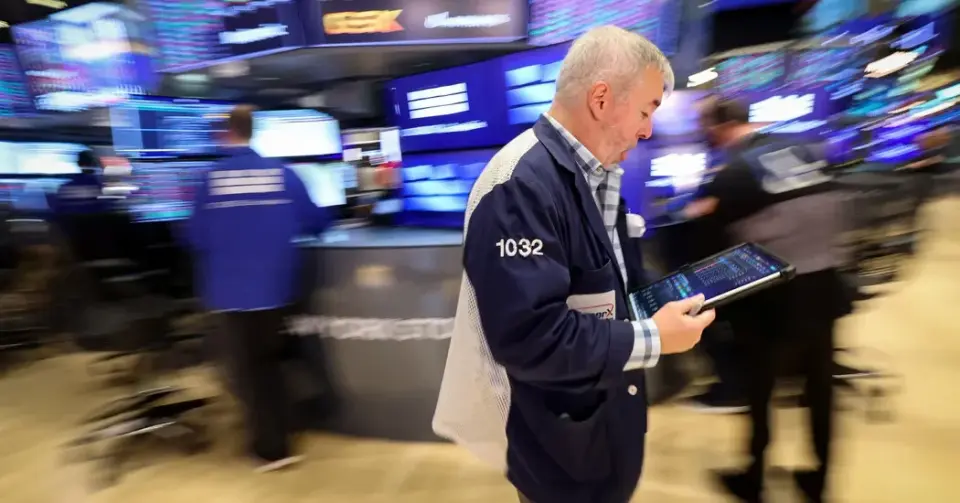
US and global stock markets are experiencing a sharp sell-off on Wednesday, November 25, 2026, driven by persistent concerns over the sustainability of the artificial intelligence boom, new tariff proposals by President Trump, and inflation data that suggests the Federal Reserve may raise interest rates. The S&P 500 dropped over 3%, while the Nasdaq fell more than 4%. Asian markets, particularly South Korea’s Kospi, saw severe declines, with the index falling 4.49% to 6.2% depending on the source. Investors are also reacting to the reinstatement of Nvidia CEO Jensen Huang, whose return failed to sustain the previous day’s rally, and to a new round of tariffs targeting China, the EU, and 14 other economies.
Key points
- The S&P 500 fell more than 3% and the Nasdaq Composite dropped over 4% on Wednesday, continuing losses from the previous day.
- South Korea’s Kospi index plunged 4.49% to 6.2%, reflecting heavy exposure to AI and chip companies like Samsung and SK Hynix.
- Nvidia shares slid 8.5% after opening, reversing a 30% gain from Monday when CEO Jensen Huang was reinstated.
- Core inflation (PCE) rose 3.3% year-over-year in October, well above the Federal Reserve’s 2% target, increasing bets on a December rate hike.
- President Trump proposed new tariffs on China, the EU, and 14 other economies, though specific rates and timing remain unconfirmed.
- Anthropic, which had a blockbuster IPO last week, fell below its IPO price, signaling investor anxiety about AI valuations.
Background
This sell-off follows a volatile month for tech stocks, including a correction in early November and a 30% rally for Nvidia on Monday after Jensen Huang’s reinstatement. Prior concerns about AI profitability and data center costs have persisted, with analysts noting that the sell-off predated Huang’s return. The market is also reacting to a broader macroeconomic backdrop, including a 98% chance of a Federal Reserve rate hike in December and ongoing geopolitical tensions.
How outlets are covering it
The New York Times emphasizes the continuation of the sell-off and the impact of AI worries and tariffs. CNBC highlights the volatility in tech stocks, including Ambarella’s 37% plunge, and the upcoming PCE data. CNN focuses on the deepening sell-off, the failure of Huang’s return to sustain gains, and the inflation data’s impact on Fed expectations. Yahoo Finance notes the pre-market futures decline and the focus on PCE data and tariffs. All sources agree on the severity of the decline but differ in emphasis: The Times and CNN highlight AI and tariffs, while CNBC and Yahoo Finance focus on specific stock movements and economic data.
Why it matters
The sell-off reflects deep investor anxiety about the sustainability of the AI boom, the impact of new tariffs on global trade, and the potential for higher interest rates. These factors could lead to further market volatility and affect the broader economy, particularly in tech-heavy sectors. The situation also highlights the interconnectedness of global markets, as seen in the sharp declines in Asian and European indices.
What to watch
Investors are watching the PCE data and the Federal Reserve’s potential December rate hike. The market will also monitor the impact of new tariffs and the performance of AI companies like Nvidia and Anthropic. The stock and bond markets will be closed for Thanksgiving on Thursday, with a half-day session on Friday.
- Stock Sell-Off Set to Continue as Investors Fret About A.I., Tariffs and Inflation The New York Times
- Dow craters 1,000 points, Nasdaq loses 4% as Nvidia leads resumption of AI sell-off: Live updates CNBC
- Tech stock selloff deepens as AI fears outweigh Huang’s Nvidia return | CNN Business CNN
- Stock market today: Dow, S&P 500, Nasdaq sink on hot inflation, new Trump tariffs as chip rout continues Yahoo Finance
- Stock Market Today: Dow Dives Ahead Of Fed Inflation Data; Nvidia, Anthropic Plunge (Live Coverage) Investor's Business Daily
Want the full story? Read the original reporting
Read on The New York Times