
Trump and Xi Hold High-Stakes Washington Summit Amid Trade Truce Extension and AI Tensions
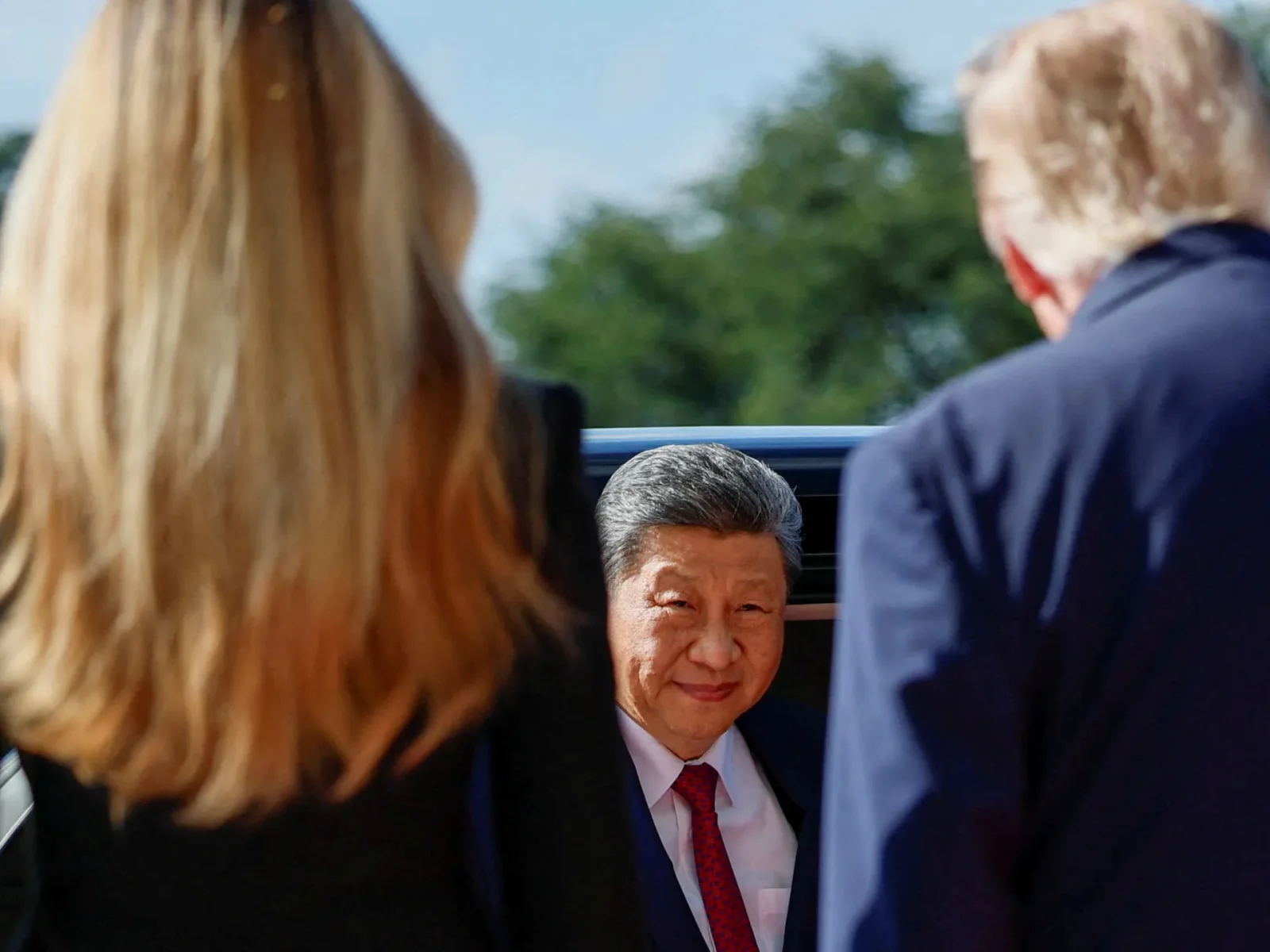
Chinese President Xi Jinping arrived in Washington for his first state visit in over a decade, meeting US President Donald Trump in a series of high-profile ceremonies. The two leaders extended their trade truce until January 10, 2027, and discussed artificial intelligence, Taiwan, and the Iran conflict. While the visit featured significant diplomatic gestures, analysts expect only incremental progress due to deep-seated strategic rivalries.
Key points
- Xi Jinping’s state visit marks his first trip to the US since 2015, featuring a rare red-carpet welcome at Joint Base Andrews by President Trump.
- Treasury Secretary Scott Bessent confirmed the extension of the US-China trade truce until January 10, 2027, preventing the expiration of the current agreement in November.
- The leaders discussed a new 'notification mechanism' for AI incidents, though Trump insisted the US would not change its current regulatory stance on the technology.
- Xi announced that two giant pandas, Ping Ping and Fu Shuang, will arrive at Zoo Atlanta in the coming days as a gesture of friendship.
- The summit included a state dinner with tech executives like Tim Cook and Jensen Huang, followed by a visit to the National Archives on Friday.
Background
This summit follows a period of intense trade tensions that began in early 2025, including tariffs and rare-earth export controls. Previous meetings in South Korea and Beijing in 2025 and 2026 established a framework for 'constructive strategic stability,' but recent domestic political shifts and global conflicts have complicated the relationship. Our earlier coverage noted that analysts expected the power dynamic to favor Beijing, with limited leverage for Washington on core issues like AI safety and Taiwan defense.
How outlets are covering it
Al Jazeera and CNBC emphasized the ceremonial nature of the visit, highlighting Trump’s personal greeting at the airport and the military flyover as signs of a warming relationship. The Atlantic, however, framed Trump’s actions as an act of deference, suggesting the US president is taking a conciliatory role and avoiding pressure on core issues. CNN focused on the practical leverage Beijing holds through rare-earth processing, noting that shipments are falling despite the truce. While Trump claimed AI discussions would maintain the status quo, Xi advocated for international cooperation and human control, highlighting a divergence in regulatory philosophies. Most outlets agreed that while the trade truce extension is a positive step, major breakthroughs on Taiwan or AI governance are unlikely.
Why it matters
The outcome of this summit sets the tone for US-China relations for the next two months, influencing global supply chains, AI development standards, and geopolitical stability in the Middle East and Asia. The extension of the trade truce provides temporary relief for markets, but unresolved issues regarding rare-earth exports and Taiwan defense remain flashpoints. The summit also tests the durability of the 'constructive strategic stability' framework in the face of competing national interests and domestic political pressures in both Washington and Beijing.
What to watch
Negotiating teams will have until January 10, 2027, to finalize a broader trade deal. The US and China are expected to issue separate announcements rather than a joint statement, reflecting their divergent domestic messaging. Future interactions will likely focus on the implementation of the AI notification mechanism and monitoring of rare-earth export compliance. The arrival of the pandas in Atlanta will serve as a soft-power symbol of the renewed diplomatic engagement.
- Trump-Xi summit: Here’s what’s on the agenda, and why it matters aljazeera.com
- Live updates: Trump hosts Xi for US-China summit in Washington, DC CNN
- Trump, Xi expected to talk Taiwan, AI, trade and Iran as DC summit kicks off CNBC
- The Deferential President The Atlantic
- Trump gives Xi Jinping rare airport welcome as summit visit begins The Washington Post
Want the full story? Read the original reporting
Read on aljazeera.com