
Moscow’s Drone Strike on Border Train Aims to Deter Western Support for Kyiv
A Russian drone struck a passenger train near the Ukraine-Poland border on Sunday, killing no one but damaging the locomotive. EU officials assert the attack was intended to intimidate Western allies into halting support for Kyiv. The strike occurred shortly after a diplomatic train carrying former UK Prime Minister Boris Johnson and former CIA chief David Petraeus passed through the same area. While Moscow claims it targeted military logistics, Kyiv and Western leaders view the incident as a deliberate escalation designed to disrupt diplomatic access and fracture NATO unity.
Key points
- The drone hit the locomotive of a Warsaw-bound train two kilometers from the border in Volyn region, with no casualties reported.
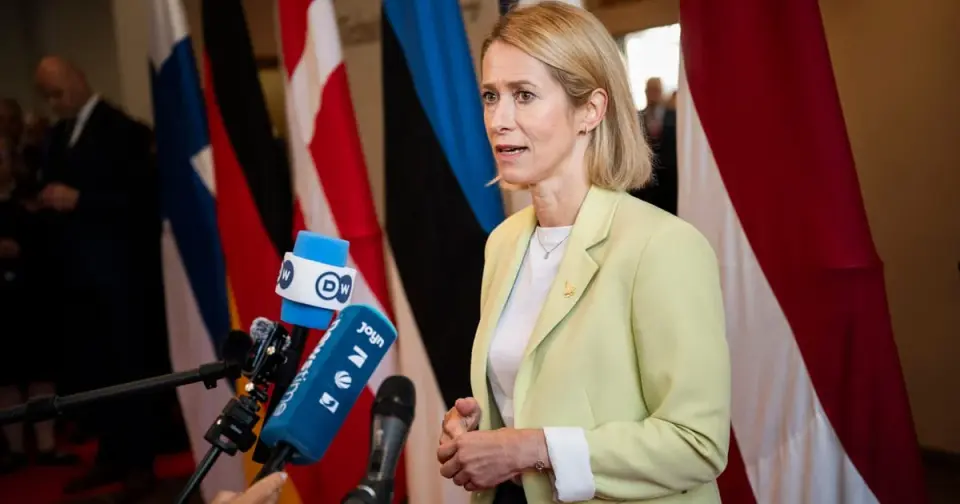
- EU Foreign Policy Chief Kaja Kallas stated the strike was meant to frighten Western nations into ceasing support for Ukraine.
- Prominent figures including Boris Johnson, David Petraeus, and UK National Security Adviser Jonathan Powell were on a nearby diplomatic train at the time.
- Ukraine’s rail operator believes the diplomatic train was likely the intended target, given the timing and proximity.
- CNN notes that the attack disrupts the primary safe route for Western officials to visit Kyiv, forcing a reassessment of travel risks.
Background
This incident follows a pattern of Russian hybrid warfare tactics, including previous strikes on border crossings in Moldova and sabotage plots in Germany. Earlier this month, Polish Prime Minister Donald Tusk warned of similar threats to Poland’s borders. The attack also coincides with a broader escalation in drone technology, with CNN highlighting new Russian long-range drones that extend the reach of strikes into NATO territory. Previous archive coverage noted a similar strike on a train near the border on September 13, 2026, which also involved high-profile Western visitors.
How outlets are covering it
Politico emphasizes the political intent behind the strike, quoting Kaja Kallas and French Foreign Minister Jean-Noël Barrot, who described the attack as an effort to intimidate and divide European allies. CNN focuses on the strategic implications for NATO, arguing that the attack exploits a gap in Western defense capabilities and disrupts the logistical flow of diplomatic support. While both sources agree on the escalation, Politico highlights the diplomatic fallout and calls for sanctions, whereas CNN analyzes the technical and strategic shift in Russian drone warfare and its impact on NATO’s readiness.
Why it matters
The attack signals a shift in Russian strategy from direct military confrontation to hybrid escalation aimed at NATO borders. It threatens to isolate Ukraine by making diplomatic and military support more dangerous and costly for Western allies. The incident tests NATO’s resolve and exposes vulnerabilities in European air defense and border security, potentially influencing future sanctions and military aid decisions.
What to watch
Western nations are expected to increase air defense support for Ukraine, as urged by Johnson and Kallas. NATO may face pressure to strengthen border security and respond to further hybrid attacks. Ukraine is likely to seek more Patriot interceptors and other defensive systems to counter advanced Russian drones. Diplomatic travel to Kyiv may shift to alternative, riskier routes or virtual meetings.
- Russia wanted to cow Ukraine allies with railway drone attack, says top EU diplomat politico.eu
- Russian drone hits train near Ukraine-Poland border soon after dignitaries passed through NPR
- Russian drone almost hit former CIA director; may have targeted Boris Johnson The Hill
- Russian Offensive Campaign Assessment, September 13, 2026 understandingwar.org
- Russia’s drone strike near Ukraine-Poland border puts NATO neighbors on edge CNN
Want the full story? Read the original reporting
Read on politico.eu