
Trump imposes 50% tariffs on Canadian autos, steel as trade talks collapse
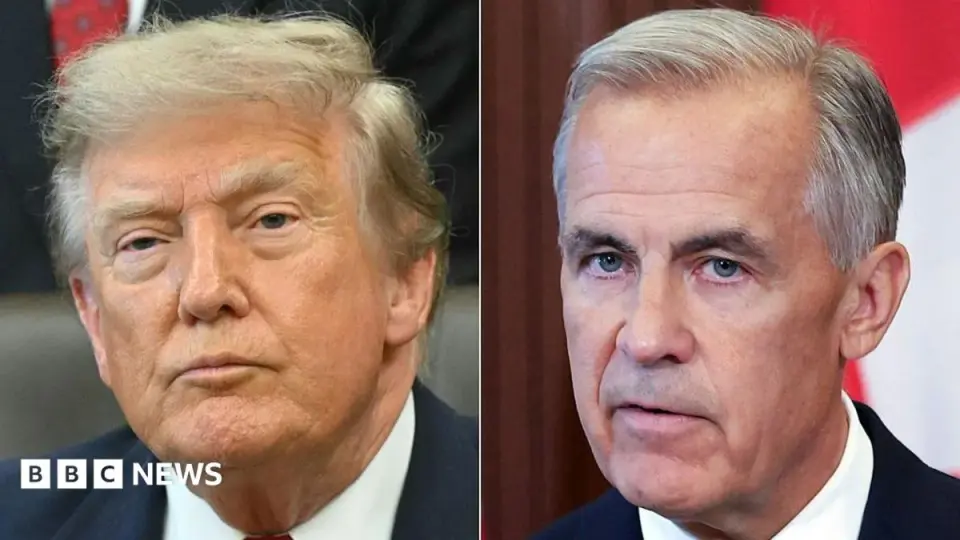
US President Donald Trump announced a 50% tariff on Canadian automobiles, trucks, and steel, effective January 1, 2027. This escalation follows the collapse of trade negotiations over the weekend, where Canadian Prime Minister Mark Carney rejected a US proposal, citing demands regarding French language laws and sovereignty. While Ottawa vows to retaliate dollar-for-dollar, US officials argue Canada rejected a 'good deal.'
Key points
- Trump announced a 50% tariff on Canadian cars, trucks, auto parts, and steel, set to begin on January 1, 2027, doubling the current 25% rate.
- Prime Minister Mark Carney stated the move was expected and vowed to return to negotiations only if the US approaches with a 'true partnership' attitude.
- Ontario Premier Doug Ford declared Canada would not 'roll over,' suggesting leverage through critical minerals and electricity exports to US states.
- US Treasury Secretary Scott Bessent claimed Canada rejected a 'good deal' and that the US does not need Canada, contradicting Canadian claims of mutual economic dependence.
- Small businesses in the US and Canada report immediate financial strain, with some unable to absorb sudden cost increases without prior notice.
Background
This escalation follows a series of trade disputes in 2026, including earlier threats in July and August. Previous coverage noted Carney’s warnings about US economic coercion and the potential impact on cross-border supply chains. The current standoff marks a significant deterioration in relations between the two largest trading partners, which previously exchanged approximately $909 billion in goods.
How outlets are covering it
BBC News highlights the human impact, noting that small businesses like Paloma Clothing in Portland and Outclass in Toronto are 'stuck' due to overnight price hikes. They emphasize Carney’s high approval rating (60%) and public support for his stance. The Guardian focuses on the diplomatic breakdown, quoting Trump’s claim that Canada 'rips off' the US and Carney’s assertion that the US 'asked too much.' AP News, though largely obscured by technical code in the provided source, aligns with the narrative that Canada is preparing to cut electricity and critical mineral exports to the US as a retaliatory measure. Outlets disagree on the nature of the failed deal: US officials frame it as Canada rejecting a favorable offer, while Canadian leaders describe it as an attempt to undermine sovereignty and language rights.
Why it matters
The 50% tariff threatens to disrupt the integrated North American auto supply chain, potentially raising prices for US consumers and harming jobs in states like Michigan and Ohio that depend on Canadian demand. It signals a shift from cooperative trade to adversarial economic policy, with potential ripple effects for global markets and other nations observing the US-Canada relationship as a model for future trade disputes.
What to watch
Canada is expected to implement retaliatory tariffs and potentially restrict exports of electricity and critical minerals. The US midterm elections in November may influence Trump’s negotiating posture, while Canadian provincial leaders continue to pressure for a unified federal response. No immediate return to the negotiating table is expected until the US changes its approach, according to Carney.
- Live: Trump wants to 'destroy' Canada's auto industry, Carney says of latest tariff threat BBC
- The world leader saying no to President Trump NPR
- Carney says Trump’s demands would dismantle Canadian auto industry as Ford warns US could be cut off AP News
- Trump announces new 50% tariff on Canadian cars, trucks and steel The Guardian
- From honey to hockey sticks, Trump’s trade war with Canada hikes tariffs on a long list of goods KXAN Austin
Want the full story? Read the original reporting
Read on BBC