
US Proposes New Section 301 Tariffs on 14 Partners, Including China and EU
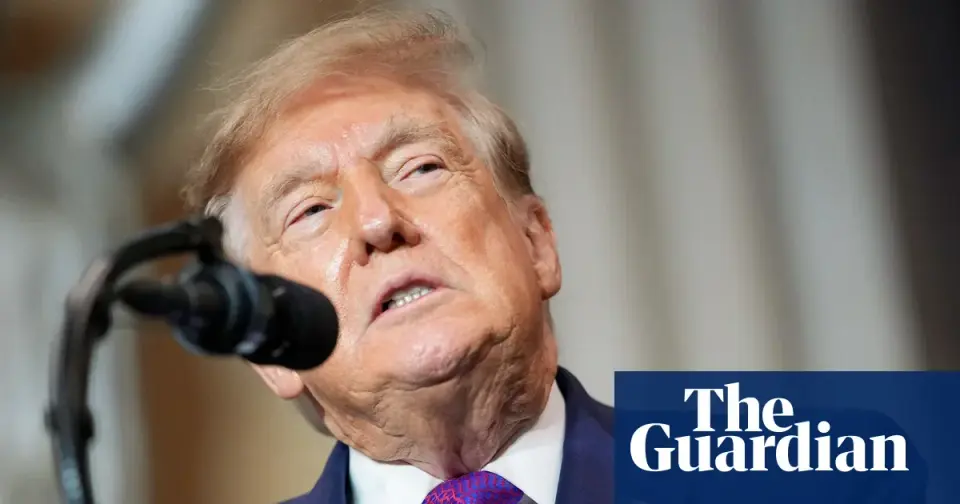
The US administration has proposed new tariffs on 14 major trading partners, including China, the European Union, and Japan, citing alleged 'structural excess capacity.' The measures, based on Section 301 of the Trade Act of 1974, are set to take effect as early as January 2027. China faces the highest proposed rate of 20%, while the EU and others face rates ranging from 15% to 35%, though existing trade deals may cap actual rates lower. The proposals follow a Supreme Court ruling that struck down previous 'Liberation Day' tariffs and come amid rising inflation and political backlash against trade levies.
Key points
- The Office of the US Trade Representative announced proposed tariffs on 14 partners: China, the EU, Bangladesh, Cambodia, India, Indonesia, Japan, South Korea, Malaysia, Singapore, Switzerland, Taiwan, Thailand, and Vietnam.
- China faces a proposed 20% tariff, bringing the total tax on Chinese imports to approximately 40%. Vietnam faces the highest rate at 35%, while the EU faces 15%. Other countries face rates of 20% or 25%.
- The tariffs are based on Section 301 of the Trade Act of 1974, which allows the executive branch to respond to 'unfair foreign trade practices' after formal investigations. This follows a February 2026 Supreme Court ruling that struck down previous tariffs based on emergency powers.
- The US trade office stated the tariffs could take effect as early as January 2027, with hearings scheduled for January 25. Actual rates may be lower than proposed due to existing trade deals and caps.
- Consumer prices rose an annualized 3.8% in October, the highest rate since May, well above the Federal Reserve’s 2% target. The Yale Budget Lab estimates current tariffs have added $900 in costs per US household.
- The European Commission 'strongly rejects' the premise that Europe is a source of structural overcapacity, noting that tariffs are limited to the 15% agreed in a previous deal. Switzerland’s business association also rejected the overcapacity claim, stating its trade surplus is driven by pharmaceuticals and gold, not industrial overcapacity.
Background
The new tariffs are the second major batch of Section 301 tariffs, following a broad slate of 10% to 12.5% tariffs on 60 economies that took effect in July 2026, citing failures to enforce forced-labor bans. The legal basis shift stems from the Supreme Court’s February 2026 ruling in Learning Resources v. Trump, which held that the International Emergency Economic Powers Act does not authorize the 'Liberation Day' tariffs announced in April 2025. After that ruling, the administration imposed a 10% global tariff under Section 122, but it lapsed in July 2026 after a court ruling. The proposals also come after Democrats won both chambers of Congress in the November 2026 midterms on an affordability platform, with Sen. Chuck Schumer proposing an 'End Trump’s Tariff Tax Act' to terminate and refund Section 301 tariffs, though Democrats lack votes to override a veto. A major refund fight is underway, with ProPublica finding $28.5 billion in tariff refunds going to 343 public companies, and a class action potentially covering 330,000+ importers who paid an estimated $166 billion in tariffs.
How outlets are covering it
The Guardian and BBC report the tariffs as a response to 'unfair trade practices' and 'structural excess capacity,' citing US Trade Representative Jamieson Greer’s statement that the measures aim to 'level the playing field for American workers.' The BBC notes that the European Commission 'strongly rejects' the overcapacity claim, stating that Europe is 'among those most exposed to overcapacity' and that tariffs are limited to the 15% agreed in a previous deal. The BBC also reports that Switzerland’s business association rejects the overcapacity argument, stating its trade surplus is driven by pharmaceuticals and gold. Yahoo/Reason Magazine argues that the tariffs attack the core of international trade, noting that 'excess capacity' is a normal part of global trade and that the tariffs will raise prices for Americans. The outlet criticizes the administration for using Section 301 in a broad, unrestrained manner and calls for Congress to repeal the tariffs. The BBC also notes that the tariffs may give the US leverage in ongoing trade talks with China, which are set to continue at the G20 summit in Miami in December. The Guardian notes that tariffs have proven unpopular with US voters, who handed Democrats a decisive victory in the midterm elections, and that the Yale Budget Lab estimates current tariffs have added $900 in costs per US household.
Why it matters
The proposed tariffs could significantly impact global trade and inflation, with consumer prices already rising at an annualized 3.8% in October. The measures may also affect ongoing trade negotiations, particularly with China, where a trade truce is set to expire in January. The tariffs could also face legal challenges, as the administration has previously lost five consecutive tariff cases. The political backlash against tariffs, which contributed to the Democratic victory in the midterms, may lead to congressional efforts to roll back the measures when the new Congress reconvenes in January.
What to watch
The US trade office is scheduled to hold hearings on the new tariffs and its investigation into unfair trade practices on January 25, 2027. The tariffs could take effect as early as January 2027, though actual rates may be lower due to existing trade deals and caps. The administration is also seeking to impose new tariffs on Brazil, including a specific tariff on out-of-quota raw and refined sugar imports and a 10% tariff on finished aircraft exports. The G20 summit in Miami in December may provide an opportunity for the US to negotiate new trade deals, potentially mitigating the impact of the new tariffs. Congressional Republicans and Democrats may attempt to force a showdown with the president over tariffs when the new Congress reconvenes in January.
- Trump proposing new tariffs on 14 partners including China and European Union The Guardian
- Trump Administration Unveils New Tariffs for China, EU and More, Citing Unfair Practices The New York Times
- Trump's Latest Tariffs Underscore the Urgency of Congressional Reforms Yahoo
- US announces new tariff proposals on EU, China, and other trade partners BBC
- Here Are the Economies Hit by Targeted US Tariff Deal Rates Bloomberg.com
Want the full story? Read the original reporting
Read on The Guardian