
Gaza Remains in Limbo: 1,400 Dead Since Ceasefire, Reconstruction Stalled
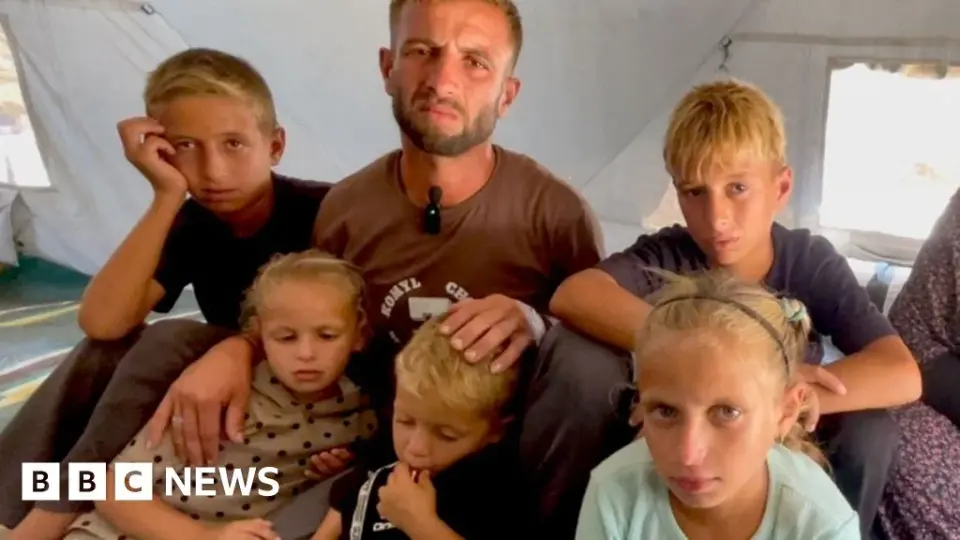
One year after the October 2025 ceasefire, Gaza remains in a state of 'neither war nor peace.' Over 1,400 Palestinians have been killed by Israeli strikes since the truce began, with the total war death toll exceeding 74,000. Reconstruction has not begun due to an impasse over the second phase of the peace deal, while humanitarian conditions remain critical with widespread disease and displacement.
Key points
- Over 1,400 people have been killed in Israeli attacks since the ceasefire began on October 10, 2025, according to Gaza's health ministry.
- The total death toll from the war since October 2023 now stands at more than 74,000, with over 300 children killed since the ceasefire.
- Reconstruction has not started due to an impasse over the second phase of the peace deal, with Israel controlling entry of materials and machinery.
- Israel has continued daily strikes, claiming to target Hamas operatives, while Hamas accuses Israel of violating the ceasefire and refuses to disarm without a full Israeli withdrawal.
- Humanitarian conditions remain dire, with widespread disease, overcrowded displacement sites, and inadequate water and sanitation, despite increased aid supplies.
Background
The current situation follows the October 2025 ceasefire, which ended the large-scale bombardment but did not halt all violence. Previous reports in September 2026 highlighted ongoing strikes, including a 'double-tap' attack that killed a 15-year-old, and a surge in violence that killed five people in Gaza City. The broader war was triggered by the Hamas-led attack on Israel on October 7, 2023, which killed about 1,200 people and led to 251 hostages being taken.
How outlets are covering it
BBC and The Guardian both emphasize the ongoing violence and the failure of the ceasefire to bring peace, with BBC highlighting specific incidents like the killing of Fida al-Toutah and Ismail al-Bardawil, while The Guardian focuses on the broader humanitarian crisis and the 'neither war nor peace' state. The Washington Post highlights the political impasse, noting that Netanyahu is blocking reconstruction and that Trump's peace plan has stalled. All three sources agree that the situation in Gaza remains critical, but they differ in their emphasis: BBC and The Guardian focus on the human toll and daily violence, while The Washington Post focuses on the political and diplomatic failures.
Why it matters
The ongoing violence and stalled reconstruction in Gaza highlight the failure of the ceasefire to bring lasting peace and the continued suffering of the Palestinian population. The situation has significant implications for regional stability and international relations, as it involves multiple actors including Israel, Hamas, the US, and the UN. The lack of progress in the peace deal and the continued humanitarian crisis underscore the urgent need for a comprehensive resolution to the conflict.
What to watch
The next steps depend on the resolution of the impasse over the second phase of the peace deal. If Israel and Hamas can reach an agreement on disarmament and withdrawal, reconstruction may begin. However, if the impasse continues, the situation in Gaza is likely to remain in a state of 'neither war nor peace,' with ongoing violence and humanitarian crisis. International pressure and diplomatic efforts will be crucial in determining the outcome.
- 'Every day there is killing': Gazans face Israeli strikes despite ceasefire as peace deal stalls BBC
- A year into Trump’s peace plan, Netanyahu stands in the way of rebuilding The Washington Post
- ‘Neither war nor peace’: Palestinians in Gaza on existing amid disease, despair and ruins The Guardian
- Life In Gaza, Three Years After October 7 i24NEWS
- Opinion | 3 years after Oct. 7, the world's reaction to Gaza exposes a painful truth MS NOW
Want the full story? Read the original reporting
Read on BBC