
Ukraine Proposes Black Sea Ceasefire to Reopen Grain Routes Amid US Pressure
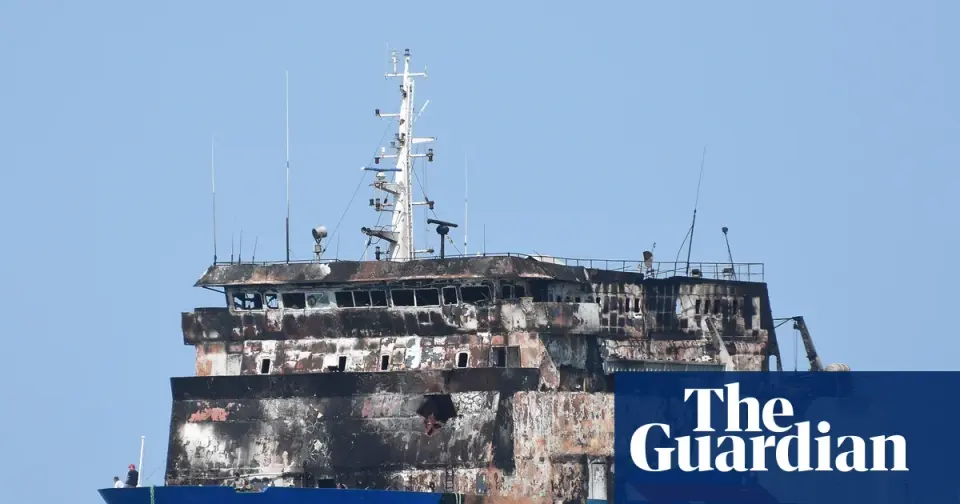
Ukraine has proposed a deal with Russia to halt attacks on civilian ships in the Black Sea, aiming to reopen critical grain export routes. This move follows a July 31 phone call where US Vice President JD Vance urged President Volodymyr Zelenskyy to stop striking Russian oil tankers, citing concerns over global energy prices. While Moscow has not yet responded to Kyiv's offer, the proposal comes amid escalating maritime violence and diplomatic friction between the US and Ukraine.
Key points
- Ukraine offered a bilateral ceasefire on civilian ship attacks via a third party to reopen the Black Sea grain corridor.
- Since July, Ukraine has struck nearly 220 vessels in the Black Sea and Sea of Azov, forcing Russia to suspend Caspian-Azov shipping.
- Russia has retaliated by escalating attacks on Ukrainian southern ports, severely impacting agricultural exports from Odesa.
- US Vice President JD Vance previously pressured Zelenskyy to halt strikes on Kazakh oil tankers to stabilize global gas prices.
- Zelenskyy has since ceased attacks on specific oil tankers but continues to target Russian naval assets in Novorossiysk.
Background
This development follows a period of intense maritime conflict, including recent drone strikes on Russian beaches and cargo ships in the Black Sea. The current proposal echoes the 2022-2023 Black Sea Grain Initiative, which ended when Russia refused to renew it due to Western sanctions. The current diplomatic maneuvering occurs against a backdrop of strained US-Ukraine relations, particularly regarding military aid and air defense systems.
How outlets are covering it
The Guardian frames the Ukrainian offer as a pragmatic step to secure international food security and resume harvest shipments. In contrast, Slate and The Daily Beast emphasize the political embarrassment for JD Vance, highlighting the irony of the US vice president begging a leader he previously humiliated to stop strikes that were hurting US economic interests. The Financial Times, while paywalled, is cited as the source for the details of Vance's July 31 call, focusing on the impact of Ukrainian strikes on oil prices and US companies.
Why it matters
The potential ceasefire could stabilize global food and energy markets by reopening vital export routes. It also highlights the complex leverage dynamics between the US, Ukraine, and Russia, where economic pressures in the US are influencing military decisions in Ukraine, potentially affecting the broader war trajectory and diplomatic negotiations.
What to watch
The immediate next step is Russia's response to Ukraine's ceasefire proposal. Additionally, the US decision on supplying Patriot interceptors to Ukraine is pending, which may be influenced by Ukraine's compliance with Vance's earlier request to halt oil tanker strikes.
- Ukraine ‘offering Russia deal to halt attacks on civilian ships in Black Sea’ The Guardian
- Ukraine Iran: J.D. Vance is learning an important foreign policy lesson the hard way. Slate Magazine
- JD Vance asked Ukraine to halt strikes on tankers using Russian port Financial Times
- EXCLUSIVE: Ukraine offers Russia truce in Black Sea as food supply fears mount, source says Reuters
- Vice President JD Vance’s Secret Plea to Ukraine Exposed as Trump’s Iran Crisis Spirals The Daily Beast
Want the full story? Read the original reporting
Read on The Guardian