Apple says Texture and Grain controls for Photographic Styles in iOS 27 will be available only on iPhone 18 Pro models and the iPhone Duo’s cameras, despite earlier wording suggesting broader compatibility. The feature is a tone preset that adjusts color while preserving skin tones, and Apple has not explained the revision or whether older iPhones will ever get it.
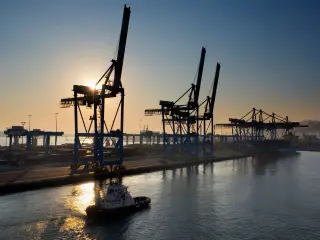
Russia’s renewed Black Sea blockade of Ukrainian ports threatens Ukraine’s 2026–27 grain harvest (exports could drop from ~60 million tonnes to ~38–40 million) and risks global food security as more than 50 Ukrainian cargo ships have been attacked since June. Ukraine is pursuing alternatives via Poland, Romania (Constanța), Hungary, and Moldova (600,000 tonnes transit), but rail/road transport is costlier and Danube water levels complicate shipments. Russia’s own grain exports could fall by more than half in August, adding pressure to global markets and highlighting the geopolitical leverage of food should a truce fail to materialize.
Ukraine’s grain exports, normally shipped by sea, are stalled by Russian Black Sea attacks and Danube drought, forcing a costly shift to overland routes through EU neighbors. Past embargoes in Poland, Hungary and Slovakia complicate transit, while EU wheat quotas cap sales; Kyiv seeks a €220 million EU aid package to help farmers hold grain until ships can resume, as storage and global food prices loom.
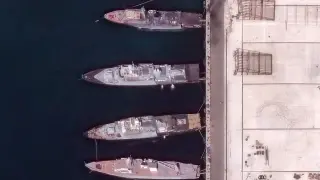
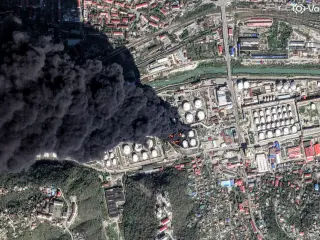
Ukraine launched a heavy drone and missile strike on Novorossiysk, targeting Russian warships and major grain export terminals. Kyiv says several vessels, including frigates Admiral Essen and Admiral Makarov, were hit, with three people killed (including an eight-year-old) and 24 injured. Moscow warns the strike could disrupt global food supplies as Russia redirects cargo to Baltic and Caspian ports and grain prices rise.
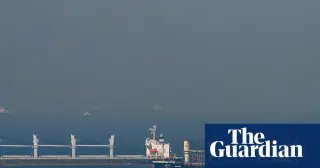
Ukraine says Russia fired three cruise missiles at the Golden Leo, a grain-carrying cargo ship leaving Odesa, killing six sailors and leaving four missing; eight crew were rescued. Kyiv also reported a large Russian missile strike on Kyiv and other cities earlier. Ukraine adds it hit oil depots in Stavropol and three Russian tankers in the Black Sea. Separately, Putin thanked North Korea for its support in the war, with Pyongyang supplying troops and weapons; Moscow hosted a North Korean envoy.
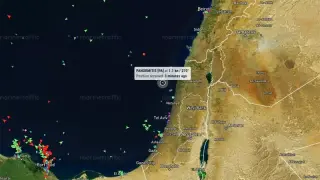
Israel’s grain importer refused to unload a cargo Kyiv says was stolen from Ukraine, and the bulk carrier Panormitis was seen sailing away from Haifa with an undetermined destination; Ukraine urged sanctions over stolen grain while Israel said it was reviewing paperwork and acted after receiving no clear guidance, highlighting escalating tensions over Russia’s alleged looting of Ukrainian grain and its implications for regional diplomacy.
Ukraine says it will systematically crack down on vessels carrying grain stolen from occupied Ukrainian lands after a Panama-flagged ship linked to the so-called shadow grain fleet left Israel’s waters; Kyiv will continue tracking ships and warning operators. In the same briefing, Ukrainian drones hit Russian oil facilities in Perm and an Orsk refinery, while Japan signals a possible easing of arms exports to Kyiv with drone partnerships and Purl programme discussions underway, though no direct transfers have been announced.
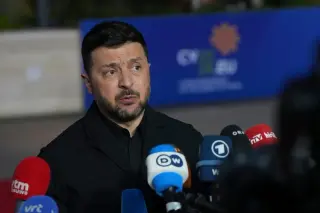
Ukraine says Israel is importing grain stolen by Russia, a claim Zelenskyy made while arriving for the EU Summit in Cyprus, underscoring tensions over grain shipments amid Russia’s war and regional diplomacy.
Ukraine accuses Israel of purchasing grain allegedly stolen from Russian-occupied Ukrainian territory, announcing sanctions and summoning the Israeli ambassador. Israel says it is reviewing the facts and has not yet received a formal request, while Kyiv claims it has substantial evidence; the row centers on shipments tied to a so-called 'shadow fleet' funding Russia's war, with vessels like Abinsk and Panormitis linked to grain moving toward Haifa.
The EU says it is ready to sanction those involved in the sale of Ukrainian grain stolen by Russia after the Panama-flagged vessel Panormitis loaded with about 6,200 tonnes of wheat and 19,000 tonnes of barley docked in Haifa; sanctions require unanimity among the 27 member states, and Kyiv urges European action as tensions with Israel rise. Israel will review the ship and national authorities will act in accordance with the law, while Brussels has warned it could target individuals or entities involved in the illicit trade.
Ukraine summoned Israel’s ambassador over alleged stolen Ukrainian grain shipments to Haifa and announced sanctions on those involved, as Ukrainian drones hit Russia’s Tuapse refinery, triggering a massive fire and signaling a broader flare-up in the Russia-Ukraine war.
Ukraine summoned the Israeli ambassador to press action against the Panama-flag bulk carrier Panormitis, suspected of carrying Ukrainian grain stolen from Russian-occupied territories toward Haifa. Kyiv warned of a diplomatic crisis if Israel allows unloading and cited previous incidents and media reports of stolen Ukrainian grain reaching Israel, signaling potential diplomatic and legal responses to protect Ukraine’s grain exports and bilateral ties.
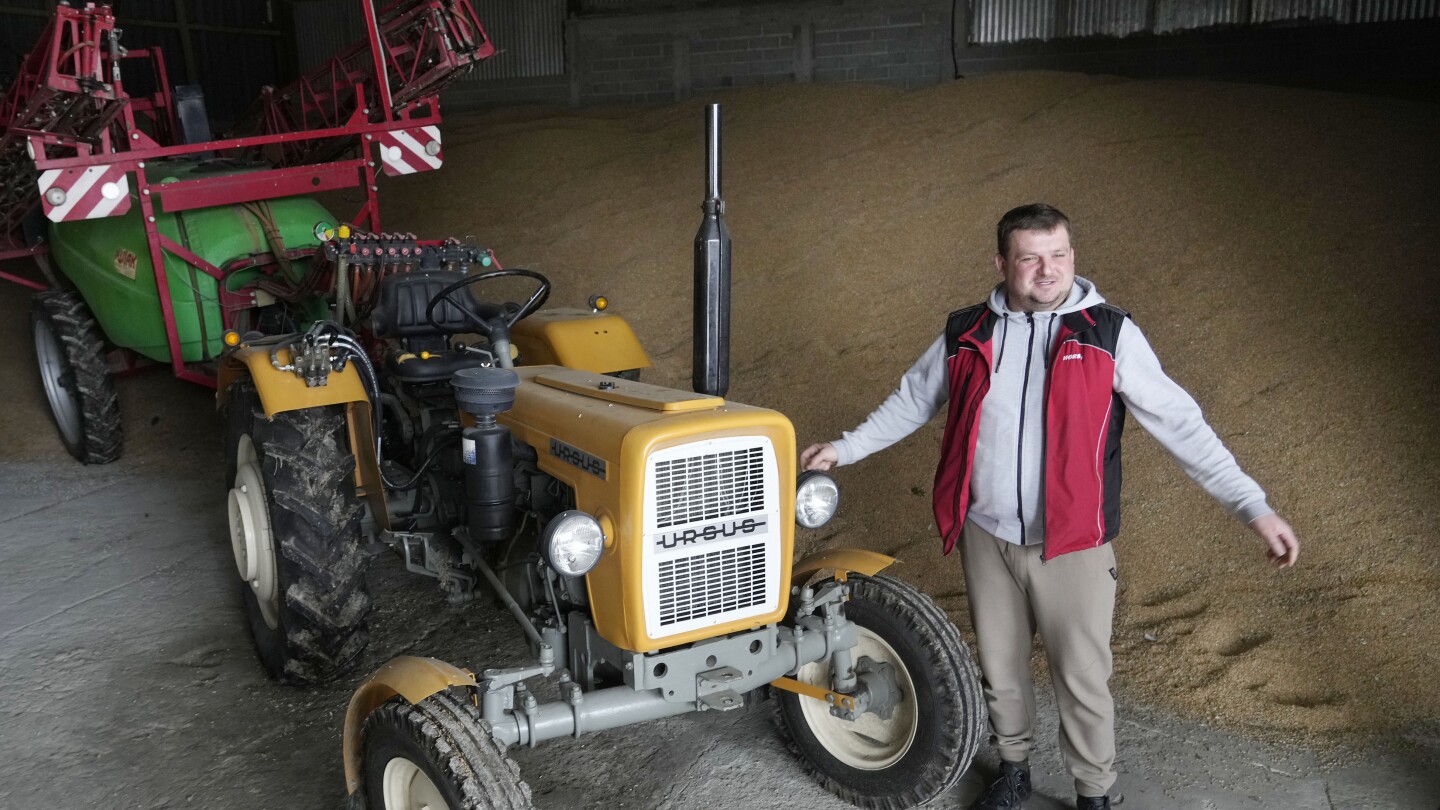
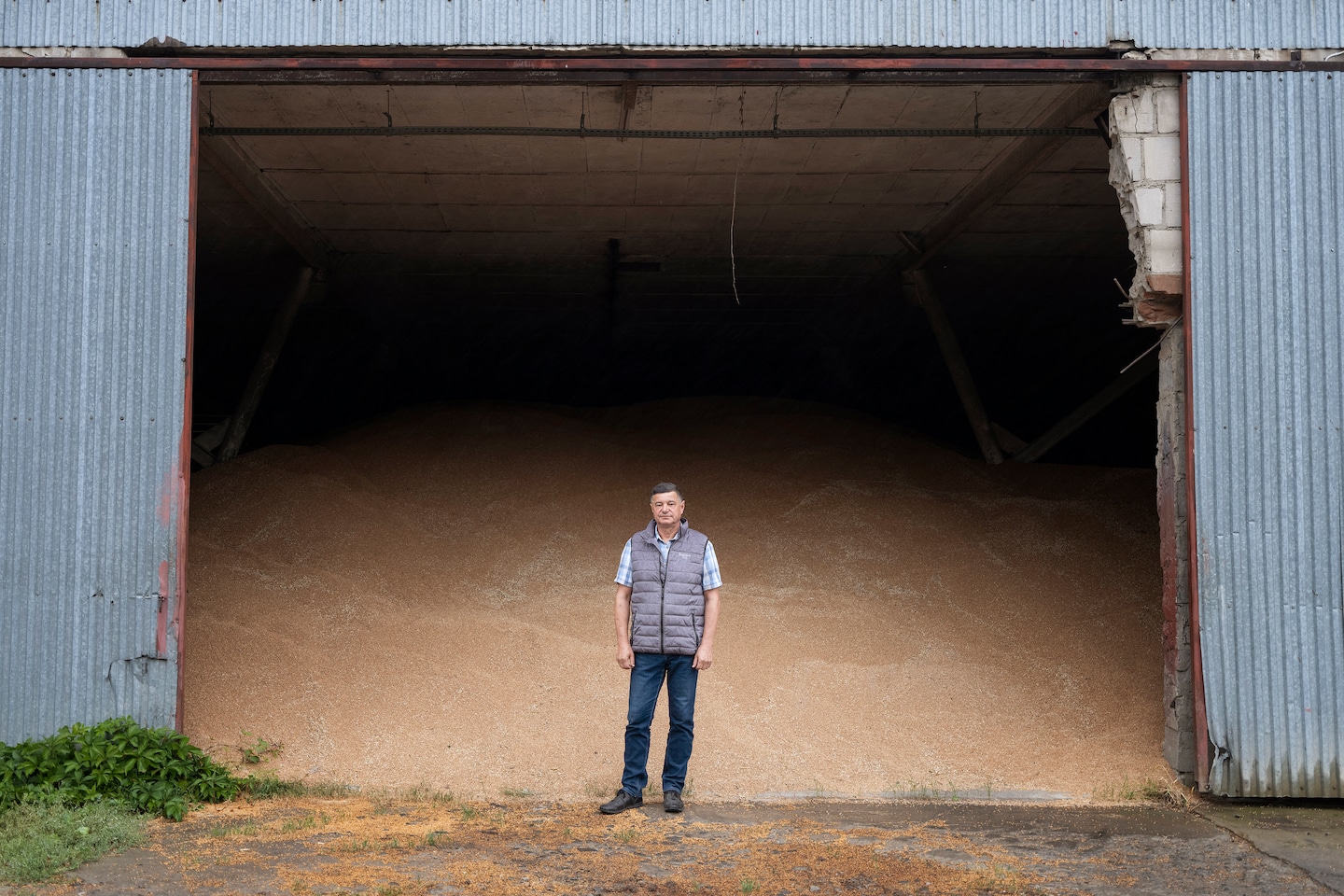
Polish farmer Piotr Korycki faces an uncertain future as he struggles to sell hundreds of tons of unsold grain due to the impact of Russia's war against Ukraine, which disrupted Ukrainian exports and led to a price collapse for grain in Poland. The EU's temporary suspension of import duties and quotas with Ukraine has not alleviated the situation, and farmers are organizing protests to seek relief. The surplus of grain in storage across Europe, combined with EU's Green Deal policies, has exacerbated the challenges for farmers, leading to growing frustration and radical protests. Korycki hopes for stability and support from the European Parliament elections, while also expressing concerns about the long-term impact on his family's farming business.
The war between Ukraine and Russia has severely impacted Ukraine's agriculture industry, leading to the smallest crop production in over a decade. Farmers are still dealing with the aftermath of the war, including bombed-out silos and explosive mines in their fields. The cost of moving grain out of the country has skyrocketed, making it economically unviable to grow certain crops. Russian attacks on grain infrastructure at river ports have further disrupted exports, creating uncertainty and driving up prices. Despite these challenges, Ukrainian farmers have managed to generate results, but the future of Ukrainian agriculture remains uncertain.
The battle for votes in Poland's upcoming election has put Ukraine's grain at the center stage. Polish farmers are struggling to sell their grain at profitable prices due to an influx of cheap Ukrainian grain, causing overflowing silos and warehouses. In response, Poland's ruling Law and Justice party is doling out subsidies and upholding an expired EU-backed embargo on Ukrainian wheat, corn, rapeseed, and sunflower seeds. This move threatens the alliance with Ukraine and has prompted Ukraine to file a complaint against Poland at the World Trade Organization. Retaining rural voters in the east is crucial for Law and Justice to win a third term, and the grain issue is a key concern for farmers. The dispute also highlights rising frictions with Ukraine and the potential damage to the relationship.