
CIA Officer David Rush Reaches Tentative Plea Deal Over $40M Gold Bar Cache
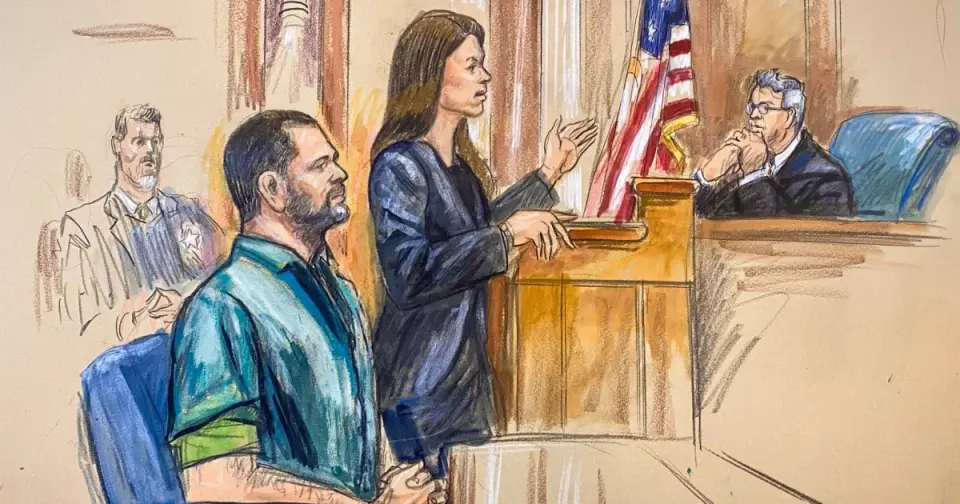
Former CIA officer David Rush has reached a tentative plea agreement with federal prosecutors, potentially resolving his case before a grand jury indictment. The deal follows the discovery of 303 gold bars worth approximately $40 million, along with $2 million in cash and 35 luxury watches, at his Virginia home in May 2026. Prosecutors and defense attorneys have requested a 21-day extension to finalize paperwork, citing the complexity of handling classified material. While the specific charges and sentencing terms remain undisclosed, the case has drawn scrutiny to Rush’s relationship with Deputy Defense Secretary Steve Feinberg, who was interviewed by the FBI but is not currently under investigation. The pre-indictment resolution aims to conserve judicial resources and avoid public trials involving sensitive intelligence details.
Key points
- David Rush and the Justice Department have a 'plea agreement in principle' as of September 11, 2026.
- Federal agents seized 303 gold bars, $2 million in cash, and 35 luxury watches from Rush's home in May 2026.
- The case was initially charged via criminal complaint for theft of public funds, not yet presented to a grand jury.
- Lawyers requested a 21-day extension through October 8 to finalize the agreed statement of facts.
- Deputy Defense Secretary Steve Feinberg was interviewed by the FBI regarding his association with Rush but is not accused of wrongdoing.
- Rush allegedly falsified his background and pay records for nearly two decades while working on secret programs.
Background
The investigation into David Rush began in May 2026 when federal agents discovered a massive cache of gold bars in his Virginia residence. Prior reporting indicated that Rush had fabricated a top-secret program to funnel funds to himself, leading to his dismissal from the CIA. The case gained additional attention in early September 2026 when it was reported that the FBI had reviewed video footage linking Rush to Deputy Defense Secretary Steve Feinberg at a government-linked residence. Although Feinberg was interviewed, the bureau confirmed he is not under investigation. This current development follows earlier attempts by the court to set strict deadlines for indictment, which the parties have now sought to extend to accommodate the plea negotiations.
How outlets are covering it
NBC News and The New York Times both confirm the existence of a tentative plea agreement, describing it as a 'plea agreement in principle.' Both outlets emphasize that the deal would resolve the case before a grand jury indictment, primarily to avoid the logistical and security challenges of a public trial involving classified intelligence material. NBC News highlights the specific request for a 21-day extension and the involvement of Judge Leonie Brinkema, noting that she had previously refused extensions. The New York Times focuses on the rationale provided in the joint filing, specifically that a pre-indictment resolution 'promotes the public interest' by conserving resources. While both sources agree on the core facts, NBC News provides more detail on the procedural history and the specific deadline extension, whereas The New York Times frames the development within the broader context of the officer's alleged fabrication of a classified program.
Why it matters
This case underscores the potential for high-level intelligence officials to engage in significant financial fraud, with the gold cache valued at $40 million. The tentative plea deal suggests that the government is prioritizing a quiet resolution over a public trial, likely due to the sensitivity of the classified programs Rush allegedly worked on. The involvement of Deputy Defense Secretary Steve Feinberg, even in a non-accusatory capacity, raises questions about oversight within the national security establishment. Furthermore, the pre-indictment resolution sets a precedent for handling cases involving classified information, potentially limiting public transparency in high-profile espionage and fraud cases.
What to watch
The next step is the finalization of the plea paperwork, including an agreed-upon statement of facts, by the October 8 deadline. If the deal is finalized, the case will likely be resolved without a grand jury indictment or public trial. If the extension is denied or the deal collapses, the case may proceed to indictment, potentially leading to a public trial that could involve complex issues regarding classified evidence. The outcome will also determine whether any further scrutiny is applied to the relationship between Rush and Deputy Defense Secretary Steve Feinberg.
- CIA officer charged in gold bars case working toward a plea deal NBC News
- C.I.A. Officer Found With Gold Bars in Basement Reaches Tentative Plea Deal The New York Times
- CIA Official Accused of Stealing $40 Million in Gold Bars Strikes Tentative Plea Deal WSJ
- Former CIA officer in $40 million gold bar case working toward plea deal qz.com
- CIA officer’s arrest with 303 gold bars thrusts the Pentagon’s No. 2 into an unwelcome spotlight NBC News
Want the full story? Read the original reporting
Read on NBC News