
Neocloud Stocks Plunge as CoreWeave Bonds Hit Distress Levels, Sparking Debate on AI Debt Risks
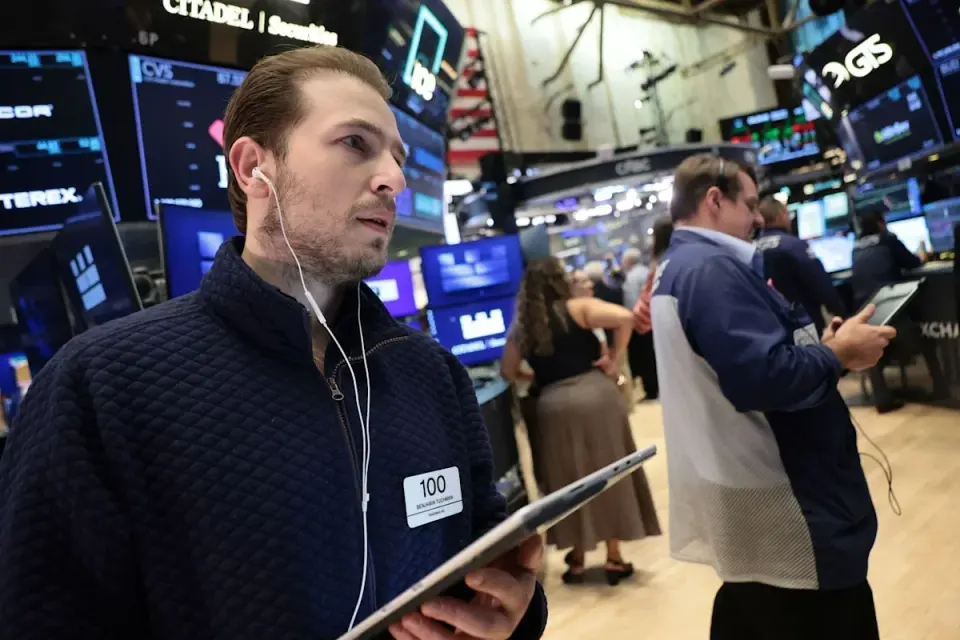
Shares of CoreWeave, Nebius, and IREN dropped sharply after CoreWeave’s bond yields spiked to 15%, triggering fears about AI infrastructure debt. While the CEO called the market reaction 'irrational,' retail traders and some analysts remain bullish, viewing the dip as a buying opportunity.
Key points
- CoreWeave shares fell 15.5% on Wednesday, with further declines overnight, while Nebius and IREN also dropped significantly.
- CoreWeave’s 2032 unsecured debt traded below 80 cents on the dollar, yielding over 15%, a level often associated with financial distress.
- CEO Mike Intrator defended the company’s business model in an internal memo, stating the market was acting 'irrationally.'
- Gartner predicted that 80% of neoclouds will cease independent operations by 2030 if current AI spending trends continue.
- Cathie Wood’s ARK Investment Management purchased 188,665 CoreWeave shares worth $14.7 million during the selloff.
Background
This volatility follows a broader trend of investor anxiety regarding the heavy debt loads and rising borrowing costs in the AI infrastructure sector. Previous coverage noted that CoreWeave’s co-founder had highlighted a strategy to tap insurer capital for cheaper funding, but the recent bond yield spike has intensified concerns about the sustainability of these financing models. The neocloud sector, which provides GPU access as a service, has seen significant price fluctuations as market participants weigh the long-term growth potential against immediate financial risks.
How outlets are covering it
Yahoo Finance emphasizes the divergence between institutional caution and retail optimism, noting that a Stocktwits poll showed 57% of retail traders plan to buy neocloud stocks on the dip. CNBC focuses on the bearish options activity, highlighting that traders bought nearly 200,000 puts on CoreWeave, with some large positions suggesting hedging against potential further declines. While Yahoo Finance cites Dan Ives’s view that hyperscaler earnings will reinforce AI spending trends, CNBC points to Chamath Palihapitiya’s concerns about a private credit bubble, which prompted Elon Musk to react with 'yikes' on social media. The outlets disagree on whether the current slide represents a temporary market misunderstanding or a fundamental shift in the AI infrastructure landscape.
Why it matters
The sharp decline in neocloud stocks and the spike in CoreWeave’s bond yields signal growing investor concern about the sustainability of AI infrastructure financing. If the market perceives these companies as financially strained, it could trigger broader sell-offs in the tech sector and impact the valuation of AI-related assets. Conversely, if the dip is indeed temporary, it may present opportunities for investors seeking exposure to AI infrastructure growth. The outcome will likely depend on upcoming hyperscaler earnings and the ability of neoclouds to secure stable, affordable financing.
What to watch
Investors will closely watch upcoming hyperscaler earnings to gauge the trajectory of AI infrastructure spending. CoreWeave’s ability to manage its debt and secure new financing, potentially from insurance companies, will be critical. The market will also monitor whether retail investors continue to buy the dip or if the bearish options activity signals a deeper correction. Any further developments in bond yields or credit ratings for neoclouds could influence the broader AI sector’s performance.
- CRWV, NBIS, IREN Stocks Extend Slide Overnight: Retail Eyes The Dip As CoreWeave CEO Says Market Acting ‘Irrationally’ Yahoo Finance
- 'Yikes': CoreWeave stock tanks on bond yield woes, CEO blames market acting 'irrationally' Yahoo Finance
- CoreWeave’s Brazen Dream Crashes Into Reality as Yields Top 15% Bloomberg.com
- Traders pile into 'bubble puts' on CoreWeave as neocloud stocks plunge CNBC
- CoreWeave’s AI bonds tumble, raising red flags for the wider market MarketWatch
Want the full story? Read the original reporting
Read on Yahoo Finance