
Oil Breaches $100, Dragging Major U.S. Stock Indexes Lower
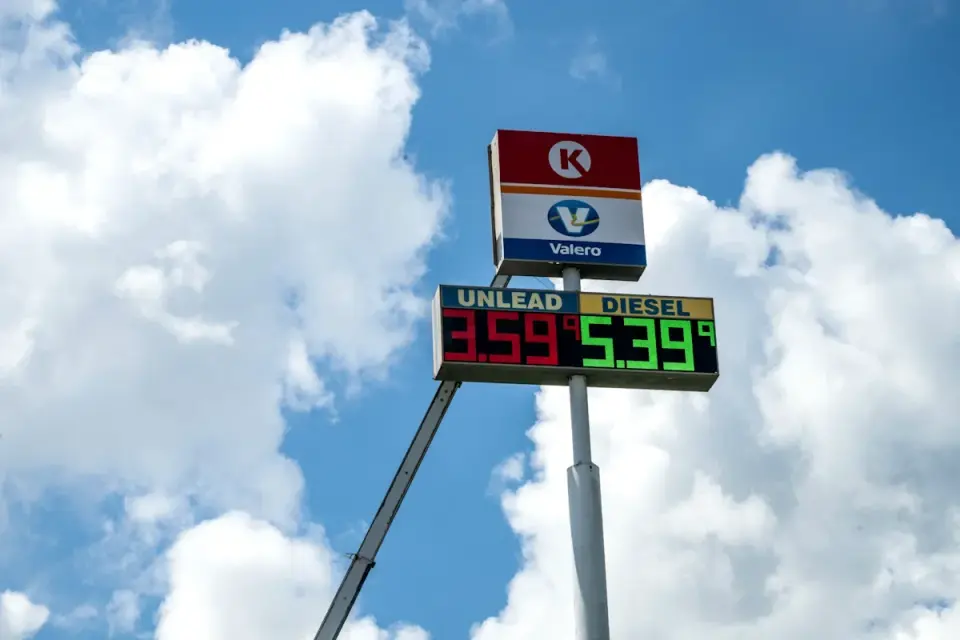
Crude oil prices have crossed the $100 per barrel threshold, triggering a broad sell-off in U.S. equities. The Dow Jones, S&P 500, and Nasdaq all declined as investors reacted to the energy shock and renewed inflationary pressures. While the broader market faced headwinds, specific sectors like healthcare and consumer discretionary saw notable volatility, with UnitedHealth Group dropping 4% and Meta Platforms rising nearly 5%.
Key points
- Crude oil prices reached $100 per barrel, marking a significant milestone that has spooked equity investors.
- The Dow Jones Industrial Average, S&P 500, and Nasdaq Composite all slipped in response to the energy price spike.
- UnitedHealth Group shares fell by 4.00%, while Meta Platforms rose by 4.74%, indicating mixed sector performance.
- Bitcoin traded at approximately $78,923, showing a slight 0.49% increase, while Ethereum rose 0.52%.
- The surge in oil prices is expected to exacerbate inflation concerns, potentially influencing Federal Reserve monetary policy decisions.
Background
This development follows a period of volatility in early September 2026, where oil prices had already been edging toward $100 amid geopolitical tensions between the U.S. and Iran. In late August, markets had rallied on de-escalation signals, but recent weeks have seen renewed pressure from energy costs and tariff tensions. The current spike to $100 represents a continuation of the inflationary fears that have weighed on markets since the U.S. military action against Iran in early September.
Why it matters
The breach of the $100 oil barrier is a critical economic signal that could trigger a broader inflationary cycle, potentially forcing the Federal Reserve to maintain or increase interest rates. This environment typically pressures corporate earnings, particularly in energy-intensive and consumer-facing sectors, while potentially benefiting energy producers. The divergence in stock performance, with some tech giants rising while healthcare and consumer staples fall, suggests a complex market rotation driven by immediate energy costs versus long-term growth expectations.
What to watch
Investors will closely monitor whether oil prices sustain the $100 level or retreat, as this will dictate the trajectory of inflation expectations. The Federal Reserve's upcoming decisions on interest rates will be heavily influenced by this energy shock. Additionally, corporate earnings reports from major companies like Meta and UnitedHealth will provide insight into how firms are navigating the higher cost environment.
Want the full story? Read the original reporting
Read on Yahoo Finance