
FBI and EPA warn of coordinated cyberattacks on U.S. water systems in seven states
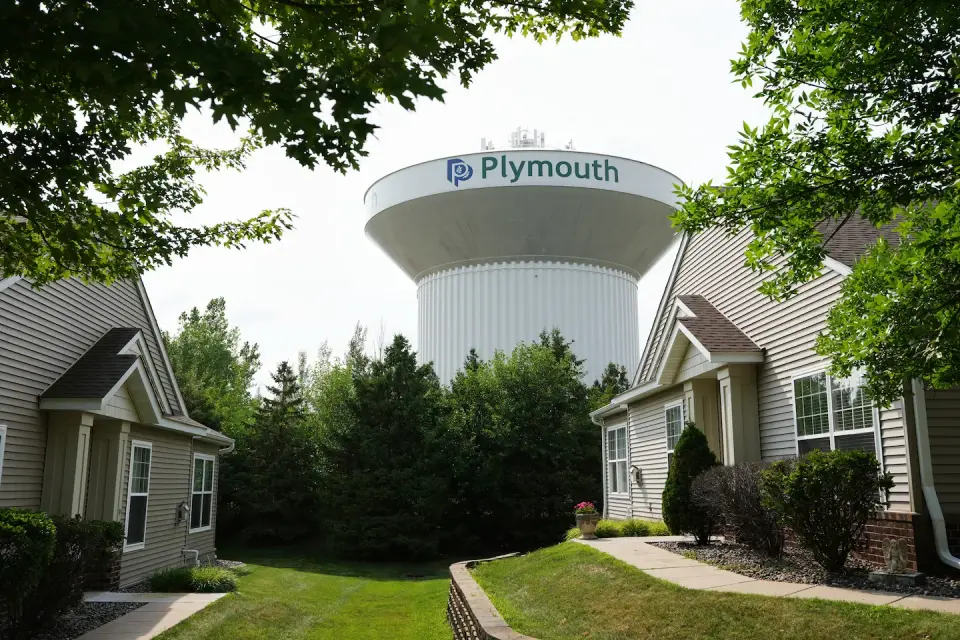
Federal authorities have issued a joint alert after at least seven U.S. states reported cyberattacks disrupting water and wastewater operations. The FBI and EPA warned that hackers remotely accessed programmable logic controllers (PLCs), altering settings and causing operational issues like pressure loss. While no water contamination has been reported, the attacks have forced some utilities to switch to manual operations. Intelligence agencies suspect Iran is behind the intrusions, though attribution remains preliminary. President Trump publicly dismissed the Iran theory, instead blaming Minnesota’s state leadership, a claim fact-checkers have labeled baseless.
Key points
- At least seven states, including Minnesota, Michigan, and South Dakota, reported cyberattacks on water systems this week.
- Hackers targeted internet-facing PLCs, changing IP addresses and passwords to disrupt monitoring and control.
- The FBI and EPA issued a public advisory urging utilities to isolate PLCs from the public internet and strengthen access controls.
- U.S. intelligence agencies suspect Iran is the likely culprit, but definitive forensic proof has not yet been established.
- President Trump blamed Minnesota Governor Tim Walz for the attacks, contradicting federal intelligence assessments.
Background
This incident follows a broader trend of increasing cyber threats against U.S. critical infrastructure. In May 2024, the EPA noted that approximately 70% of inspected water utilities had violated cybersecurity standards. Additionally, in 2023, Iran-linked hackers were previously identified as targeting water systems. Recent federal advisories from July 2026 have also warned of escalating threats from Tehran-linked actors amid ongoing military tensions.
How outlets are covering it
The Washington Post and NBC News emphasize the federal response and the technical nature of the attacks, highlighting the FBI and EPA’s joint advisory. The Detroit News provides specific details on Michigan’s response, noting that nine municipal systems reported activity but remained operational with no public health impacts. CNN focuses on the political fallout, fact-checking President Trump’s claims that Minnesota Governor Tim Walz was responsible for the attacks, which it describes as baseless. While all sources agree on the scale of the attacks, they differ in emphasis: The Post and NBC focus on the security threat and Iran suspicion, while CNN highlights the political contradiction between the President and federal intelligence.
Why it matters
The attacks expose significant vulnerabilities in U.S. water infrastructure, which relies on aging and often poorly secured technology. The incident underscores the potential for foreign adversaries to disrupt essential services, raising concerns about national security and public safety. The political disagreement over attribution also highlights the challenges in coordinating a unified response to cyber threats.
What to watch
Utilities are expected to implement the FBI and EPA’s security recommendations, including isolating PLCs and enforcing strong authentication. Federal agencies will continue to investigate the attacks to determine the specific actors involved. The political debate over the cause of the attacks may influence future cybersecurity policies and funding for infrastructure protection.
- Several states report cyberattacks as spy agencies suspect Iran is targeting water The Washington Post
- Scope of Hacks on U.S. Water Supply Widens as Evidence Points to Iran The New York Times
- Hackers target Michigan water systems The Detroit News
- Hackers targeted municipal water systems in 7 states this week, FBI says NBC News
- Fact check: Trump baselessly claims Walz is ‘behind’ cyberattack, repeats debunked claims at Cabinet meeting CNN
Want the full story? Read the original reporting
Read on The Washington Post