
One Year In, Mamdani's NYC Economic Vision Remains Piecemeal Amid Fiscal and Political Friction
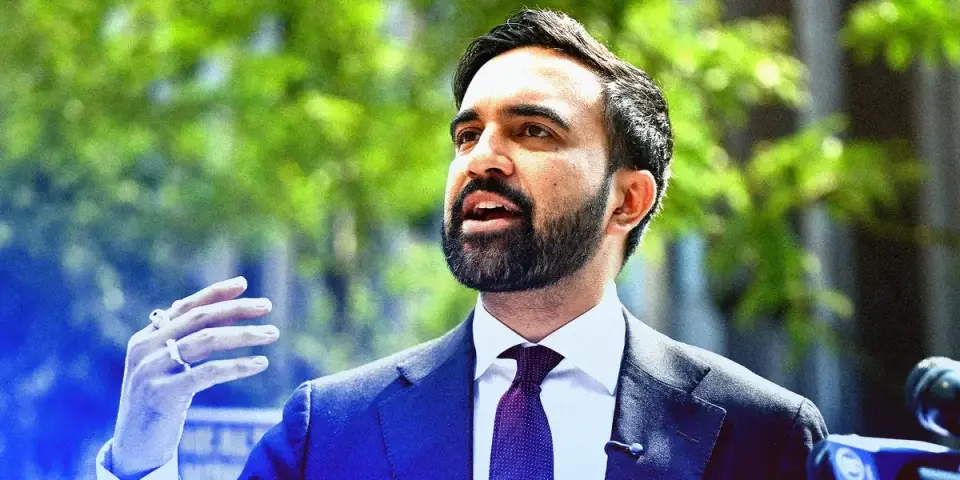
One year into his tenure, NYC Mayor Zohran Mamdani has implemented a two-year rent freeze on one million apartments and launched a tax on second homes, but his broader economic platform remains fragmented. While he has secured small wins in consumer protection and housing administration, critics argue his policies lack the structural depth to address the city's $1.3 trillion economy. The administration faces significant hurdles from state-level tax limitations, union negotiations, and legal challenges from landlords and business groups.
Key points
- Mamdani enacted a two-year rent freeze affecting approximately 1 million rent-stabilized apartments, a move that has drawn legal challenges from landlord associations.
- The administration introduced a 'pied-à-terre' tax targeting wealthy residents who do not live in the city full-time, estimated to generate between $340 million and $500 million annually.
- Universal free bus service has been deferred, with the city focusing only on improving speed and efficiency for now.
- The city is pursuing a goal of building 200,000 new affordable homes and preserving another 200,000 over the next decade, though funding and construction timelines remain major obstacles.
- Mamdani's administration has emphasized consumer protection, securing a record $131.5 million settlement with DoorDash to compensate 264,000 delivery workers for underpayment.
Background
Mamdani took office in January 2026 on a platform of universal childcare, free buses, and rent control. His election followed a period of stark economic inequality in New York, where the top 1% captured nearly two-thirds of income growth between 2019 and 2024. The city faces a 25% poverty rate, significantly higher than the national average, and a housing shortage that requires 700,000 new units over the next decade to meet demand.
How outlets are covering it
Business Insider characterizes Mamdani's approach as a 'slow-motion' revolution, noting that while his policies are universal rather than means-tested, they often resemble standard Democratic think-tank proposals rather than radical socialist overhauls. The outlet highlights that many of his major economic levers, such as tax rates and minimum wage, are controlled by the state government in Albany, limiting his direct power. In contrast, the Socialist Party praises his election as a victory for working-class mobilization but criticizes his reliance on backroom deal-making and his failure to leverage public-sector unions to defend his agenda against elite pushback. They argue that his administration has not sufficiently mobilized mass struggle to counter legal challenges from property owners. Eurasia Review offers a sharp ideological critique, dismissing his policies as 'late socialism' that ignores the historical failures of command economies. The outlet argues that Mamdani's push for confiscatory measures and state intervention is doomed to produce scarcity and inefficiency, citing historical examples of socialist economic collapse.
Why it matters
Mamdani's tenure serves as a real-time test of whether local government can effectively address cost-of-living crises in a major global financial hub. His ability to navigate conflicts between progressive goals and fiscal realities, while managing tensions with labor unions and business interests, will determine the viability of his 'affordability agenda.' The outcome of his housing and tax initiatives could set precedents for urban policy across the United States, particularly regarding the limits of municipal power in a state-controlled tax environment.
What to watch
The administration faces critical negotiations with large public-sector unions, including the United Federation of Teachers and District Council 37, which could impact the city's budget. Legal battles over the rent freeze and pied-à-terre tax are expected to continue, potentially reaching higher courts. Additionally, the success of the city's housing goals will depend on its ability to secure state funding and accelerate construction timelines, a process that currently takes eight years from conception to occupancy.
- Mamdani's economy isn't a socialist dream or a capitalist nightmare — but his biggest bets are yet to come Business Insider
- Those who work and those who post - by Matthew Yglesias Slow Boring
- No, Mamdani, Socialism Does Not Increase Affordability The Heritage Foundation
- Zohran Mamdani’s New York win one year on Socialist Party
- Late Socialism: Better Never Than Late – OpEd Eurasia Review
Want the full story? Read the original reporting
Read on Business Insider