
Supreme Court to Decide if Colorado Must Fund Catholic Preschools That Exclude LGBTQ Families
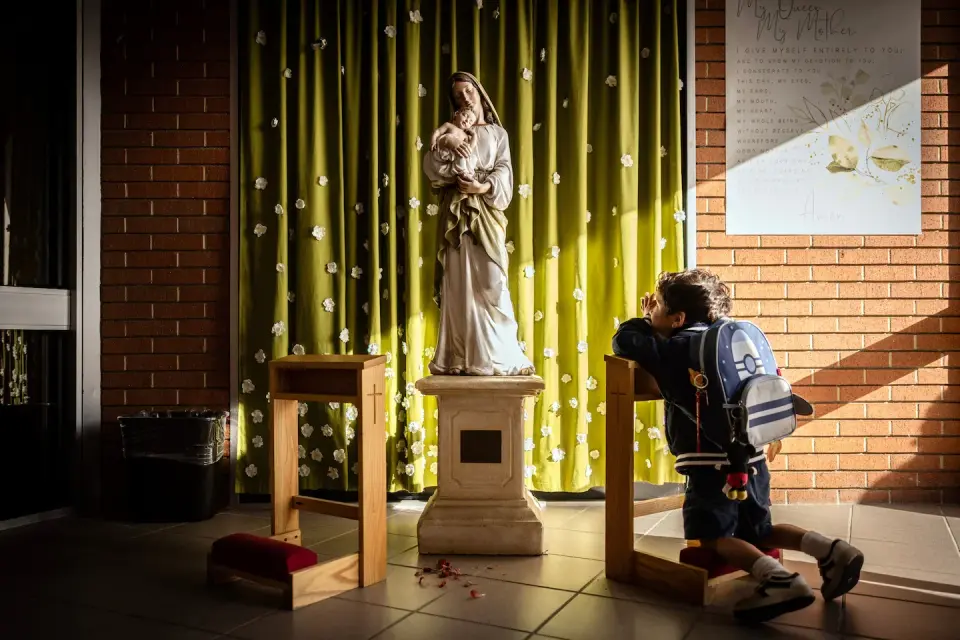
The Supreme Court is set to hear arguments on November 3 regarding whether Colorado can exclude Catholic preschools from its universal pre-K program for refusing to admit children of LGBTQ parents. The case tests the limits of religious exemptions from state anti-discrimination laws, with the conservative majority potentially expanding religious liberty protections at the expense of state nondiscrimination mandates.
Key points
- The case centers on St. Mary Catholic Parish and other Denver-area schools that declined Colorado’s universal pre-K funding because the program requires adherence to a state law banning discrimination based on sexual orientation and gender identity.
- Colorado’s program, funded by a tobacco tax, provides approximately $6,300 per child to ensure universal access to preschool, including for faith-based schools that agree to nondiscrimination terms.
- The Denver Archdiocese argues that requiring them to admit children of LGBTQ parents violates their First Amendment right to free exercise of religion, while the state contends that public funds cannot support discriminatory practices.
- Legal experts note a significant shift in Supreme Court doctrine over the last decade, moving from a focus on the separation of church and state to a stronger emphasis on protecting religious free exercise.
- The decision may have broader implications for other faith-based institutions, including charter schools, and could determine whether taxpayer funds can support religious schools that maintain discriminatory policies.
Background
This case is part of a series of high-profile Supreme Court disputes originating in Colorado, which has been a focal point for conflicts between LGBTQ rights and religious liberties since the 1990s. Previous cases involving a cake baker, a website developer, and a Christian counselor have established precedents where the Court sided with religious objections to state anti-discrimination laws. The current case follows a 2015 ruling legalizing same-sex marriage, which some legal scholars interpret as a signal that the Court may limit anti-discrimination laws when they burden religious free exercise. Additionally, the Court’s conservative majority has shown a trend toward expanding religious rights, as seen in recent rulings on tax-exempt status and public funding for religious institutions.
How outlets are covering it
The Washington Post highlights the practical impact on families, noting that parents like Erika Nagle must forgo significant financial assistance to attend Catholic preschools that exclude LGBTQ families. NPR emphasizes the doctrinal shift in the Supreme Court, contrasting the current focus on free exercise with the historical emphasis on the separation of church and state, and notes the potential for the ruling to affect other religious institutions. USA Today frames the case within the broader context of Colorado’s role as a testing ground for LGBTQ rights and religious liberties, highlighting the state’s proactive enforcement of anti-discrimination laws and the resulting backlash from conservative groups. SCOTUSblog provides a neutral overview of the case, noting the legal arguments and the potential implications for other faith-based institutions, while also highlighting the Court’s recent decisions on immigration and other issues.
Why it matters
The outcome of this case will determine whether taxpayer-funded programs can exclude religious institutions that maintain discriminatory policies, potentially setting a precedent for other faith-based organizations, including charter schools. It also reflects the ongoing tension between religious freedom and anti-discrimination laws, with implications for LGBTQ rights and the role of government in funding education. The decision could influence future legislation and court cases involving religious exemptions from state laws, affecting millions of families and institutions across the country.
What to watch
The Supreme Court is expected to issue a ruling in the coming months, which could have significant implications for other faith-based institutions and the balance between religious freedom and anti-discrimination laws. The decision may also influence future legislation and court cases involving religious exemptions, potentially affecting the funding and operations of religious schools and other organizations. Additionally, the case may prompt further legal challenges from other states and institutions, testing the limits of religious exemptions in the context of public funding and anti-discrimination laws.
- Should a Catholic preschool that bars kids of gay parents get state money? The Washington Post
- Supreme Court hears religious freedom case centered on universal pre-K program NPR
- LGBTQ+ rights vs. religious liberty: Why Colorado is 'ground zero' USA Today
- Preschool case tests religious conservatives' US Supreme Court win streak Reuters
- The November argument session begins on Monday SCOTUSblog
Want the full story? Read the original reporting
Read on The Washington Post