
Wall Street rallies on Democratic sweep, oil crashes as Iran war blamed for GOP loss
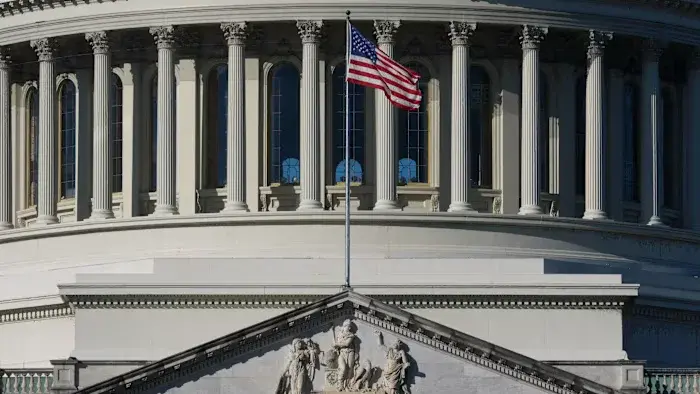
US stocks surged to their best post-midterm performance since 1982 after Democrats seized control of both House and Senate. The rally was driven by falling oil prices and reduced volatility, as markets priced in a divided government that may curb extreme policy. Conversely, AI infrastructure and Elon Musk’s companies faced selling pressure due to new political risks in Texas and data center restrictions.
Key points
- The Dow Jones Industrial Average rose 1,569 points, or 3%, marking its largest single-day gain since April 2025 and its biggest post-midterm jump since 1982.
- Brent crude oil prices fell nearly 8.7% to settle at $94.62 per barrel, the lowest level since August 31, following Vice President JD Vance’s admission that the war with Iran contributed to the Republican defeat.
- The VIX volatility index dropped almost 20% as investors welcomed the certainty of a divided government, which analysts believe will limit fiscal stimulus and extreme policy outcomes.
- Shares of AI infrastructure firms declined, with Nvidia falling 3% and an AI infrastructure ETF dropping 9%, as Democratic wins in states like Texas raised concerns about data center moratoriums.
- Elon Musk’s Tesla and SpaceX shares fell approximately 3.3% and 3.9%, respectively, following his failed $474 million election gamble and increased political obstacles in Texas.
Background
The 2026 midterm elections resulted in a decisive Democratic sweep, ending Republican control of Congress. This shift creates a divided government with President Donald Trump, altering the legislative landscape for fiscal policy, defense spending, and technology regulation. Previous market volatility had been driven by concerns over unbridled fiscal stimulus and geopolitical instability, particularly regarding the ongoing conflict with Iran.
How outlets are covering it
CNBC and CNN both highlight the relief rally driven by the reduction in political uncertainty, with Deutsche Bank analysts noting that a divided government acts as a break on extreme policy outcomes. However, perspectives diverge on the Iran conflict: while CNBC notes the administration’s admission of the war’s role in the loss, Rapidan Energy Group’s Bob McNally argues that escalation is more likely than de-escalation. Additionally, while broad markets rallied, CNN emphasizes the specific risk to AI and tech sectors, noting that Democratic control in key states like Texas could restrict data center expansion, a concern not detailed in the primary source which was inaccessible.
Why it matters
The shift to a Democratic-controlled Congress introduces a check on the executive branch, potentially slowing legislative agendas on taxes and spending. For investors, this reduces the risk of extreme fiscal policy but introduces new regulatory uncertainties in the technology sector, particularly regarding AI infrastructure and energy costs. The crash in oil prices also signals a potential shift in geopolitical risk pricing, impacting energy sectors and inflation expectations.
What to watch
Markets will monitor the Federal Reserve’s response to falling oil prices and bond yields. Investors will watch for signs of de-escalation in the Iran conflict and the pace of legislative gridlock in Washington. In the tech sector, attention will turn to whether Democratic state governments in Texas and elsewhere impose restrictions on data center construction, which could impact the growth of AI infrastructure companies.
- Wall Street bets Democratic sweep will empower moderates in Washington Financial Times
- Markets cool after the monster midterm rally with Musk's stocks under pressure CNBC
- Business The Economist
- Dow has best post-midterm elections day in 44 years as Democrats take control of Congress CNN
- From data centers to tariffs: What the Democrats' huge midterms win means for the US economy and Trump DW.com
Want the full story? Read the original reporting
Read on Financial Times