
Brazil’s Right-Wing Party Concedes Defeat as Lula Faces Fiscal Crisis
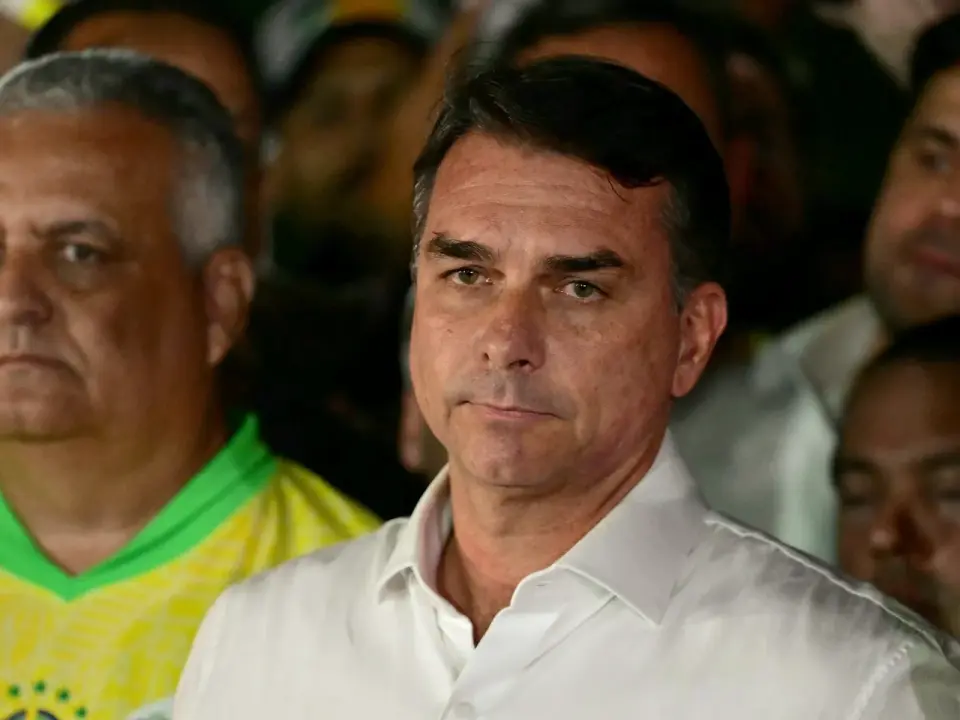
Brazil’s Liberal Party accepted the 2026 presidential election results, validating Luiz Inacio Lula da Silva’s victory over Flavio Bolsonaro by 4.4 million votes. Despite Bolsonaro’s refusal to concede and US President Donald Trump’s claims of a 'rigged' vote, legal experts and his own party dismissed fraud allegations. The immediate focus has shifted to Brazil’s severe economic instability, with markets crashing and investors demanding credible fiscal reforms to address a 9.5% GDP deficit.
Key points
- Valdemar Costa Neto, leader of the Liberal Party, officially recognized the election outcome on Monday, stating that while issues need clarification, the results are accepted.
- Flavio Bolsonaro refused to concede, citing a two-hour voting extension ordered by Supreme Court Justice Cristiano Zanin as evidence of bias, though data shows the extension added only 35,000 votes, negligible compared to Lula’s 4.4 million vote margin.
- Donald Trump called the vote 'rigged' but stated he did not take sides, while Bolsonaro’s legal advisers reportedly convinced him to abandon his bid to annul the election due to the large margin and Supreme Court validation.
- The Brazilian real fell 8% against the US dollar and the Bovespa index dropped 13.9% following the election, driven by fears over Lula’s campaign promises of R$298bn in new spending without clear funding sources.
- Brazil faces a fiscal deficit of 9.5% of GDP and debt levels at 83% of GDP, prompting calls for spending cuts and tax reforms to stabilize the economy and restore investor confidence.
Background
This election concluded a contentious runoff between incumbent Lula da Silva and senator Flavio Bolsonaro, son of former president Jair Bolsonaro. The race was marked by intense polarization, with Lula’s victory securing a fourth term and disrupting US-Latin America dynamics. The 2026 election followed the 2022 contest where Lula defeated Jair Bolsonaro, who is currently serving a 27-year sentence for coup plotting. The current campaign was defined by economic anxiety and debates over democratic integrity, with both sides accusing the other of interference, including transport disruptions and voting hour extensions.
How outlets are covering it
Al Jazeera emphasizes the political resolution, highlighting the Liberal Party’s acceptance of the results and the skepticism of Bolsonaro’s fraud claims, noting that the voting extension had a negligible impact on the outcome. It also covers the diplomatic tension with Trump, who criticized the vote but stopped short of intervention. In contrast, the Financial Times focuses on the economic fallout, detailing the market rout and the urgent need for fiscal discipline. While Al Jazeera frames the story around democratic legitimacy and political concession, the Financial Times frames it as a fiscal reckoning, warning that Lula’s loose spending stance threatens debt sustainability and requires structural reforms to appease investors.
Why it matters
The acceptance of the election results by Bolsonaro’s party stabilizes the political transition, but the economic crisis poses a significant threat to Lula’s new term. The market crash and high interest rates reflect deep investor anxiety over Brazil’s fiscal trajectory. If Lula fails to implement credible spending cuts and tax reforms, the country risks further economic instability, potentially undermining his social agenda and international standing. The episode also highlights the fragility of democratic norms in the face of partisan disputes and the complex interplay between domestic politics and global economic markets.
What to watch
Lula’s administration is expected to propose a package of spending restraints and tax reforms to address the fiscal deficit and restore investor confidence. Key appointments, particularly for the finance minister, will be closely watched for signals of fiscal discipline. Bolsonaro is expected to comply with federal police orders regarding his passport and organize the opposition, though his legal challenge to the election is likely to be abandoned. Markets will monitor the government’s ability to implement credible adjustments and manage debt levels in the coming months.
- Bolsonaro’s party accepts Brazil election after Trump calls vote ‘rigged’ Al Jazeera
- Trump says Brazil election looked 'rigged,' defeated Bolsonaro's party recognizes Lula win Reuters
- Lula faces a fiscal reckoning after Brazil’s market rout Financial Times
- Bolsonaro effectively concedes in Brazil after Trump suggests he won’t help The Washington Post
- Markets are dismayed by Lula’s surprise win—and for good reason The Economist
Want the full story? Read the original reporting
Read on Al Jazeera