
Midterm Democrats unveil sweeping Supreme Court overhaul plans amid voting rights crisis
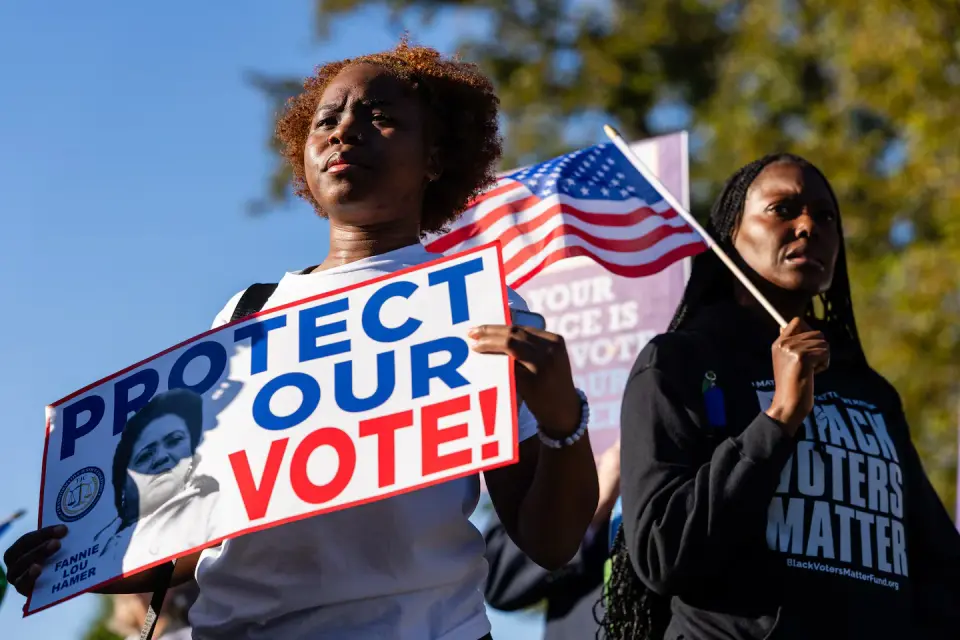
As the 2026 midterm elections approach, Democratic leaders are proposing significant structural changes to the U.S. Supreme Court, including expanding the bench to 13 justices, imposing 18-year term limits, and enforcing stricter ethics codes. These proposals follow a series of conservative rulings that Democrats argue have eroded voting rights and democratic norms. While House Minority Leader Hakeem Jeffries advocates for 'dramatic reform,' Senate Democrats remain cautious, citing the difficulty of achieving the 60 votes needed for such changes without a change in presidential appointments.
Key points
- Democrats are proposing to increase the number of Supreme Court justices from nine to 13.
- New legislation would limit judicial terms to 18 years and establish an enforceable ethics code.
- House Minority Leader Hakeem Jeffries calls for 'dramatic reform' to counter recent conservative rulings on voting rights.
- Senate Democrats, including Sen. Jack Reed, argue that expanding the court is currently infeasible due to Senate vote requirements and presidential appointment power.
- The push for reform is driven by recent decisions that weakened the Voting Rights Act and granted broad presidential immunity.
Background
This push for judicial reform follows a series of contentious Supreme Court decisions in 2026, including rulings that narrowed birthright citizenship, altered executive power dynamics, and weakened voting rights protections. The current proposals build on previous Democratic efforts to repair the Voting Rights Act, which previously stalled in the Senate due to filibuster concerns.
How outlets are covering it
The Washington Post reports that Democrats are advancing multiple bills, including one to expand the court to 13 justices and another to cap terms at 18 years. Democracy Docket highlights House Minority Leader Hakeem Jeffries' call for 'dramatic reform,' citing recent decisions that gutted the Voting Rights Act and granted presidential immunity. In contrast, WJAR reports that Sen. Jack Reed views expanding the court as infeasible, noting that it would require 60 Senate votes and a non-Trump president to make appointments. Yahoo News notes that Democrats are embracing these reforms with increasing enthusiasm, though specific legislative paths remain debated.
Why it matters
These proposals signal a potential shift in Democratic strategy regarding the judiciary, moving from legislative repairs to structural changes. If enacted, such reforms could fundamentally alter the balance of power in the U.S. government and impact future elections and civil rights protections.
What to watch
Democrats will likely continue to push for these reforms in the lead-up to the 2026 midterms, potentially using them as a key campaign issue. The outcome of the midterms will determine whether Democrats have the necessary majority to advance these proposals, though Senate dynamics and presidential appointment power remain significant hurdles.
- Angry at the Supreme Court, liberals push a slew of plans for overhauling it The Washington Post
- Hakeem Jeffries: Restoring voting rights, reforming Supreme Court top priorities for Democrats Democracy Docket
- Sen. Reed weighs in on calls for Supreme Court reform WJAR
- How Hakeem Jeffries Could Try and Tackle the Supreme Court WSJ
- With increasing enthusiasm, Democrats are embracing need for Supreme Court reforms Yahoo
Want the full story? Read the original reporting
Read on The Washington Post