
EU Drops 'Associate Member' Label for Canada Amid Internal Friction
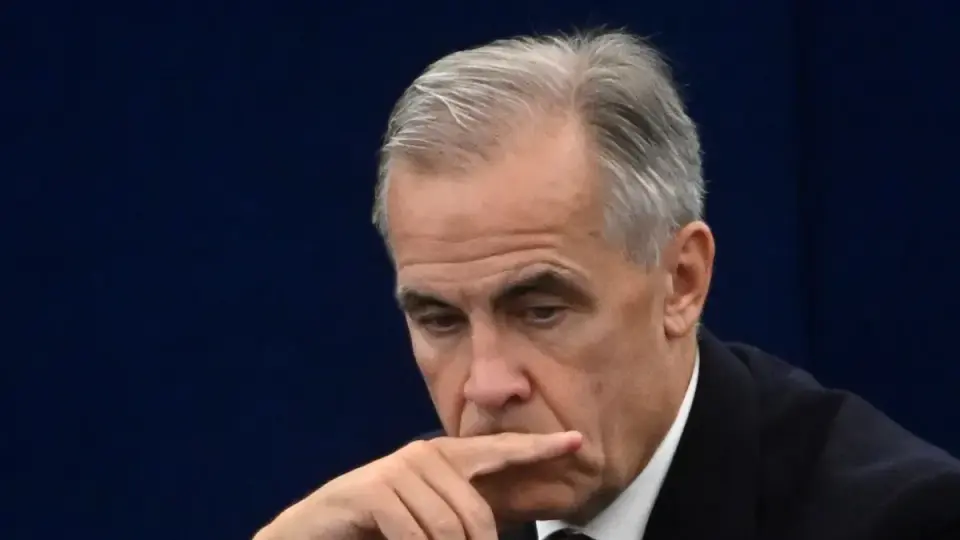
The European Union has removed the term 'associate member' from the draft joint statement for the upcoming summit with Canada, replacing it with 'ever closer association' after objections from member states like Germany. This move follows Ursula von der Leyen's September proposal, which faced internal resistance due to legal ambiguities and concerns over preferential treatment. While Canada’s Prime Minister Mark Carney emphasized that the specific label is less important than the substantive deepening of ties, the shift reflects a compromise to avoid legal complications and potential backlash from the United States. The summit in Montreal aims to launch formal negotiations on defense, energy, and trade, with both sides seeking to reduce reliance on Washington amid ongoing trade tensions.
Key points
- The EU removed 'associate member' and 'associated membership' from the draft Canada-EU statement, replacing them with 'ever closer association' to avoid legal and political disputes among member states.
- German Chancellor Friedrich Merz and other leaders pushed for the removal, citing concerns that the term lacks a clear legal basis in EU treaties and could imply preferential treatment for Canada over other candidate nations like Ukraine.
- Ursula von der Leyen had proposed 'associate membership' in September, but the idea faced resistance from diplomats and member states who argued it was not properly defined or consulted upon, leading to a watered-down compromise.
- The revised statement includes plans for a joint feasibility study on Canadian liquefied natural gas exports to Europe, new subsea cable infrastructure, and expanded mobility for young workers and students, with formal negotiations set to continue until 2027.
- Canadian Prime Minister Mark Carney stated that the specific nomenclature is less important than the practical benefits for Canadians, while emphasizing that the partnership is not intended as a hostile act against the United States, despite Trump’s threats of tariffs if the move is seen as such.
Background
In September 2026, European Commission President Ursula von der Leyen proposed that Canada become the EU’s first 'associate member' during her State of the Union address, a move framed as a strategic response to US trade pressures and an effort to deepen ties with a trusted non-EU partner. The proposal was seen as a landmark in EU history, as the bloc had not admitted new members since Croatia in 2013. However, the idea faced immediate internal resistance, with several member states questioning the legal basis and implications of the term. Canada’s Prime Minister Mark Carney had previously accepted the invitation but rejected full membership, framing the partnership as a resilience strategy against US trade actions rather than a rival bloc. The current summit in Montreal marks the next step in formalizing this relationship, with both sides seeking to reduce dependence on Washington in areas such as defense, energy, and technology.
How outlets are covering it
Al Jazeera and Reuters reported that the EU dropped the 'associate member' label after German Chancellor Friedrich Merz and other leaders pushed for its removal, citing diplomats. The BBC highlighted that Germany and other nations successfully lobbied to remove the term, opting for softer language, and noted that Germany’s ambassador to Canada, Matthias Lüttenberg, expressed surprise at von der Leyen’s announcement, stating that 'associate membership' is not clearly understood in the context of Canada. Politico emphasized von der Leyen’s continued push for the concept, noting that she landed in Montreal signaling excitement about the partnership, while European countries pushed back against the title. The Guardian reported that the EU backed away from the offer after disagreements among member states, with Italy suggesting 'associate membership as proposed by the commission' and Germany proposing 'an ever closer association' instead. All sources agreed that the specific label is less important than the substantive deepening of ties, but differed in emphasis: Al Jazeera and Reuters focused on the diplomatic compromise, the BBC on the internal EU dynamics, Politico on von der Leyen’s persistence, and the Guardian on the legal and political challenges of the proposal.
Why it matters
The EU’s decision to drop the 'associate member' label for Canada reflects the complexity of navigating new diplomatic relationships within the bloc, particularly in the context of US trade pressures. The compromise on language, while avoiding immediate legal and political disputes, highlights the challenges of defining new forms of partnership without clear precedents. For Canada, the shift underscores the importance of substantive cooperation over symbolic titles, as the country seeks to reduce its reliance on the US in areas such as defense, energy, and technology. For the EU, the move signals a willingness to adapt its approach to non-EU partners, but also reveals internal divisions over how to manage such relationships. The broader implications include potential tensions with the US, as Trump has threatened tariffs if the move is seen as a hostile act, and the need for both sides to balance strategic autonomy with existing alliances. The summit in Montreal will be a key test of whether the EU and Canada can translate their shared ambitions into concrete policies that benefit both sides without provoking further conflict with Washington.
What to watch
The EU-Canada summit in Montreal is expected to launch formal negotiations on deepening ties, with both sides aiming to define the concept of 'ever closer association' by the 2027 summit. Key areas of focus include defense, critical minerals, research, and trade, with specific initiatives such as a joint feasibility study on Canadian liquefied natural gas exports to Europe and new subsea cable infrastructure. The Canadian government is also expected to release its national security strategy and announce measures on digital sovereignty during the summit. In the coming months, diplomats from both sides will work to resolve outstanding issues, including the legal and political implications of the new partnership, while navigating potential backlash from the US. The outcome of these negotiations will shape the future of EU-Canada relations and their ability to reduce dependence on Washington in a volatile global trade environment.
- European Union backtracks on Canada becoming ‘associate member’ Al Jazeera
- Carney to push for closer ties at Canada-EU summit in Montreal BBC
- Von der Leyen can’t let go Politico
- Germany and other EU countries block von der Leyen's plan to give Canada 'associate membership' DW.com
- EU backs away from offer to Canada to start ‘associate member’ talks The Guardian
Want the full story? Read the original reporting
Read on Al Jazeera