Tag

Diplomatic Negotiations

All articles tagged with #diplomatic negotiations

US hits Qeshm Island as Vance signals peace talks progress
geopolitics22 days ago

US hits Qeshm Island as Vance signals peace talks progress

The US military conducted limited defensive strikes on Iran’s Qeshm Island on Monday, targeting missile launchers that threatened American assets. Officials framed the action as self-defense rather than a resumption of major combat, occurring just before US midterm elections. Simultaneously, Vice President JD Vance expressed optimism regarding a potential negotiated settlement, while Iran’s parliament speaker insisted the US must meet Tehran’s demands to prevent war.
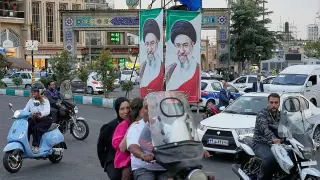
US Conducts Quiet Defensive Strikes on Qeshm Island Amid Midterm Tensions
geopolitics22 days ago

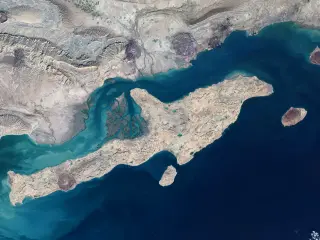
US Conducts Quiet Defensive Strikes on Qeshm Island Amid Midterm Tensions

US military forces executed limited defensive strikes against Iranian targets on Qeshm Island and near Bandar Lengeh on November 3, 2026. Officials described the actions as defensive measures to neutralize surface-to-air missile threats against US assets in the Strait of Hormuz. The operations were deliberately kept low-profile to avoid signaling a return to major combat operations. These strikes occurred simultaneously with optimistic diplomatic statements from US Vice President JD Vance regarding a potential negotiated settlement with Tehran, just days before US midterm elections.

Khamenei Orders Global Retaliation as Gulf Nations Brace for War Amid Hormuz Talks
geopolitics24 days ago

Khamenei Orders Global Retaliation as Gulf Nations Brace for War Amid Hormuz Talks

Iranian Supreme Leader Mojtaba Khamenei has directed military commanders to prepare for an immediate, geographically unrestricted response to any future US or Israeli attack, potentially targeting Europe and the South Caucasus. This directive follows warnings that Washington may launch a short but intensive military campaign after the US midterm elections. While Tehran maintains a hardline stance, Foreign Minister Abbas Araghchi signaled flexibility in Qatari-mediated talks, proposing to reopen the Strait of Hormuz within two days if the US lifts its blockade and sanctions. Gulf states remain in a state of 'no war, no peace,' with UAE officials warning that the region is braced for the worst despite ongoing diplomatic efforts.

EU Drops 'Associate Member' Label for Canada Amid Internal Friction
politics27 days ago

EU Drops 'Associate Member' Label for Canada Amid Internal Friction

The European Union has removed the term 'associate member' from the draft joint statement for the upcoming summit with Canada, replacing it with 'ever closer association' after objections from member states like Germany. This move follows Ursula von der Leyen's September proposal, which faced internal resistance due to legal ambiguities and concerns over preferential treatment. While Canada’s Prime Minister Mark Carney emphasized that the specific label is less important than the substantive deepening of ties, the shift reflects a compromise to avoid legal complications and potential backlash from the United States. The summit in Montreal aims to launch formal negotiations on defense, energy, and trade, with both sides seeking to reduce reliance on Washington amid ongoing trade tensions.

Stalemate Deepens as U.S. and Iran Clash Over Deal Scope and Trust
world1 month ago

Stalemate Deepens as U.S. and Iran Clash Over Deal Scope and Trust

U.S.-Iran negotiations remain deadlocked due to fundamental mismatches in timing, scope, and trust. While Washington seeks a comprehensive, high-profile deal, Tehran prefers narrow, indirect truces. Mutual accusations of bad faith, domestic political pressures, and fears of renewed military escalation have stalled progress, with both sides preparing for potential conflict despite ongoing diplomatic efforts.

Deadliest Israeli strike since June truce kills 11 in southern Lebanon
conflict3 months ago

Deadliest Israeli strike since June truce kills 11 in southern Lebanon

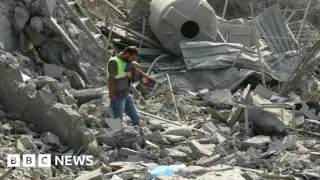
Israeli airstrikes on southern Lebanon killed 11 people and wounded 19 on Saturday, marking the deadliest day since the June ceasefire. The strikes targeted the villages of Ansar and Deir al-Zahrani in the Nabatieh district, killing three children and two women in Ansar. Israel’s military stated the attacks were in response to an incident involving its soldiers at the Ali al-Taher Ridge, while Lebanese authorities condemned the strikes as violations of the framework agreement. Hezbollah warned of an 'appropriate response' and urged Lebanon to abandon direct negotiations. This escalation occurs despite ongoing diplomatic efforts, with the eighth round of talks scheduled for September.

geopolitics3 months ago

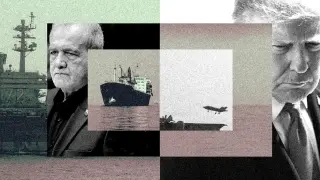
Trump Weighs Hormuz Reopening as Sole Condition for Iran War Exit

US President Donald Trump is reportedly prepared to declare victory in the ongoing conflict with Iran without securing a formal nuclear agreement, provided Tehran fully reopens the Strait of Hormuz. While Washington views the restoration of shipping as the primary metric for success, Iran has rejected this framework, demanding comprehensive concessions including war reparations, sanctions relief, and a total US military withdrawal before the waterway can reopen. This divergence has stalled diplomatic progress, with Tehran leveraging its control of the strait to extract maximum concessions while the US maintains a naval blockade and keeps military options on the table.

Trump’s ‘Last Chance’ Rhetoric Masks US Missile Shortages and Diplomatic Stalemate
geopolitics3 months ago

Trump’s ‘Last Chance’ Rhetoric Masks US Missile Shortages and Diplomatic Stalemate

The US-Iran conflict enters its 23rd week with no end in sight, characterized by a recurring cycle of President Trump issuing apocalyptic threats followed by last-minute de-escalation. While Washington claims negotiations are imminent, Tehran denies direct talks, focusing instead on managing the Strait of Hormuz with Oman. The US faces critical shortages of long-range precision missiles, forcing a strategic pivot toward fewer, higher-impact strikes to preserve global deterrence capabilities.