
Euro Zone Leaders Back De Cos for ECB Presidency
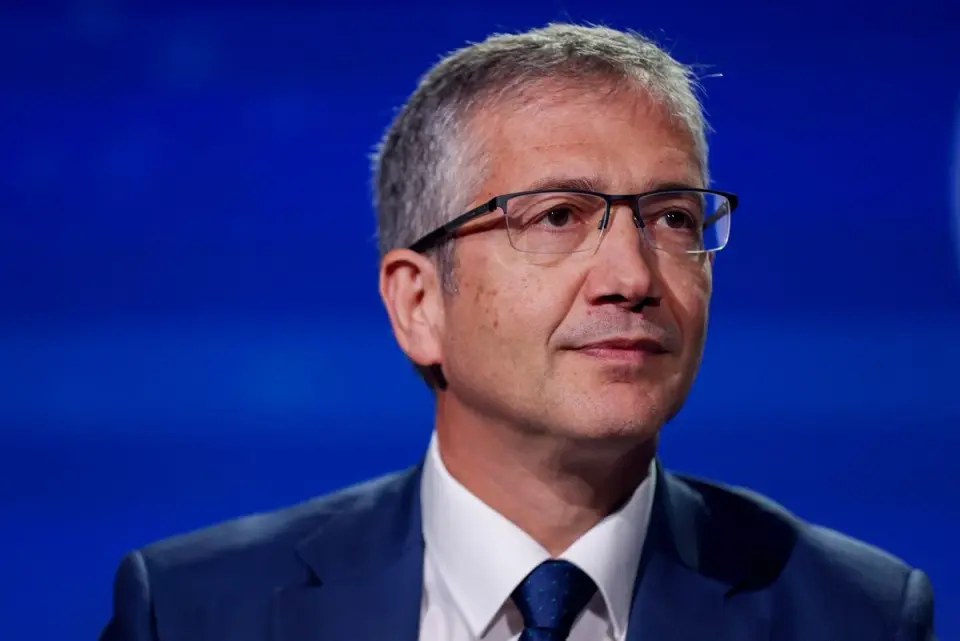
Pablo Hernández de Cos has secured the backing of euro zone leaders to succeed Christine Lagarde as European Central Bank president. The appointment, which follows intense political negotiations, is expected to be formalized next year. De Cos, a career central banker and current General Manager of the Bank for International Settlements, will take over from Lagarde, who is stepping down early on February 7, 2027. The selection balances northern and southern European representation on the ECB’s executive board, with Germany and France also securing key roles. The transition occurs amid rising inflation, political uncertainty in France, and debates over the ECB’s response to sovereign debt risks.
Key points
- Pablo Hernández de Cos, 55, received backing from euro zone leaders at the European Council Summit to become the next ECB president.
- The appointment requires formal consultation with the European Parliament and the ECB’s Governing Council, but neither body has veto power.
- De Cos, a former governor of the Bank of Spain and current General Manager of the Bank for International Settlements, will succeed Christine Lagarde, who is stepping down on February 7, 2027.
- The selection balances northern and southern European representation, with Germany’s Markus Brunnermeier and France’s Laurence Boone also securing key roles on the ECB’s executive board.
- The transition occurs amid rising inflation, political uncertainty in France, and debates over the ECB’s response to sovereign debt risks.
Background
Christine Lagarde, 70, has led the ECB since November 2019 and previously headed the IMF (2011–19). She announced on October 29, 2026, that she would step down as ECB president in February 2027, about eight months before her term was due to expire in October 2027, citing a wish to speak freely on issues beyond monetary policy. Lagarde said the early departure was driven by ECB officials' strict neutrality rules, which bind them to comment only on monetary policy; she said she no longer felt comfortable staying silent on broader global issues. Lagarde noted that ECB governance requires presidents and board members to leave because they cannot be reappointed, and said a succession process had already begun, reassuring markets that decision-making would not be left in limbo.
How outlets are covering it
Bloomberg.com reports that De Cos will become the ECB’s next president, directing the region’s fight against inflation and possible bond turmoil. CNBC emphasizes the political wrangling behind the decision, noting that the Netherlands agreed to back Klaas Knot, the only other candidate, after intense negotiations. POLITICO highlights the broader context of the European Council Summit, where leaders also struggled to reach a deal on the bloc’s next long-term budget and Ukraine funding. All sources agree that De Cos’s appointment is a carefully crafted package deal that balances northern and southern European representation on the ECB’s executive board.
Why it matters
The appointment of De Cos as ECB president is significant because it signals Europe’s commitment to price stability and central bank independence at a time of rising inflation and political uncertainty. De Cos’s background as a career central banker and his pragmatic approach to monetary policy are seen as assets in navigating the challenges of diverging economic performance across the euro zone. The transition also reflects the importance of balancing northern and southern European representation on the ECB’s executive board, which is crucial for maintaining cohesion and credibility in monetary policy decisions.
What to watch
The formal appointment of De Cos as ECB president is expected to be finalized next year, following consultation with the European Parliament and the ECB’s Governing Council. Lagarde is set to step down on February 7, 2027. The ECB will continue to face challenges related to rising inflation, political uncertainty in France, and debates over the ECB’s response to sovereign debt risks. The European Council is also expected to continue negotiations on the bloc’s next long-term budget and Ukraine funding, with a deadline set for December.
- De Cos Is Poised to Take ECB Presidency in Era After Lagarde Bloomberg
- Spain’s Pablo Hernández de Cos set to lead European Central Bank CNBC
- Europe Assembles a New Team to Steer Its Economy The New York Times
- EU leaders agree on Spain’s Pablo Hernández de Cos to lead ECB — live updates POLITICO.eu
- Spain's de Cos to become ECB's next president, FT reports Reuters
Want the full story? Read the original reporting
Read on Bloomberg