
Ex-MAHA Adviser Accuses White House of Sabotaging Health Policies for Donor Cash
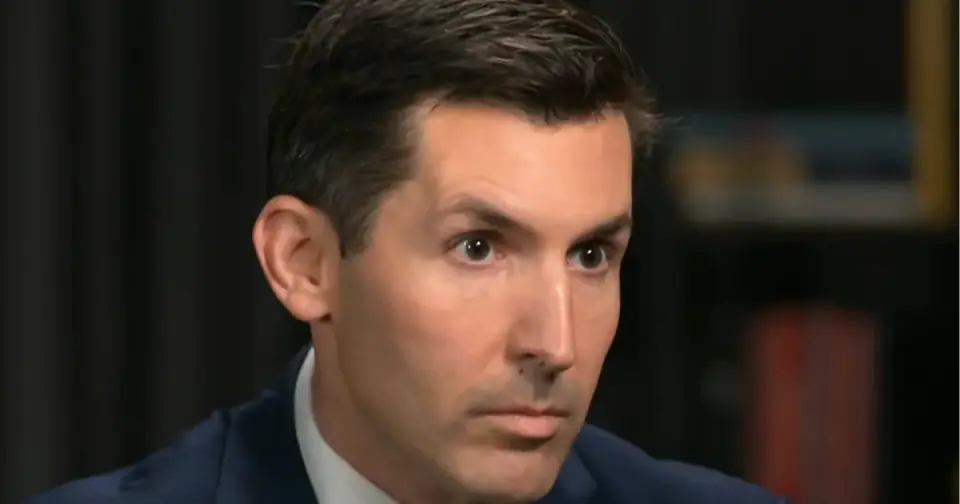
Former HHS adviser Calley Means has accused White House Chief of Staff Susie Wiles and other officials of blocking public health initiatives to secure campaign donations from the tobacco and pharmaceutical industries. Means claims these officials prioritized industry interests over the Make America Healthy (MAHA) agenda, leading to Wiles' resignation and a shift in White House leadership.
Key points
- Calley Means, a former senior aide to Health Secretary Robert F. Kennedy Jr., resigned in late October and publicly accused White House officials of corruption.
- Means alleged that Susie Wiles and her deputy James Blair pressured the FDA to approve fruit-flavored vapes and blocked policies on ultra-processed foods to secure donations from the tobacco and food industries.
- Wiles resigned on Thursday, with her departure linked to Republican midterm defeats; Stephen Miller is set to replace her as White House chief of staff on Monday.
- Former FDA Commissioner Marty Makary confirmed he faced pressure from tobacco lobbyists to approve flavored vapes, though he did not name specific officials.
- Attorney General Todd Blanche dismissed Means' allegations as unsubstantiated, while Republican Senator Ron Johnson called for scrutiny of the administration's conduct.
Background
This dispute follows the 2024 alliance between Donald Trump and Robert F. Kennedy Jr., which centered on the Make America Healthy (MAHA) movement. Means helped coordinate Kennedy's endorsement of Trump and led HHS efforts to revise dietary guidelines. The conflict highlights tensions within the GOP between populist anti-corruption sentiments and perceived reliance on corporate donors, particularly after the party's midterm losses.
How outlets are covering it
CBS News and Axios report that Means specifically accused Wiles and Blair of catering to the vaping and ultra-processed food industries, while Wiles and Blair deny these claims, calling them defamatory. The Washington Post notes that Republican Senator Ron Johnson supports Means' allegations, calling for an investigation, while Attorney General Todd Blanche dismissed the claims as baseless. Sources differ on whether Trump was aware of the lobbying pressure; Means suggests advisers manipulated information reaching the president, while Blair claims he was following presidential directives.
Why it matters
The allegations expose deep fractures within the Trump coalition and raise questions about the integrity of the administration's health policies. The resignation of Wiles and the appointment of Stephen Miller signal a potential shift in White House strategy, while the debate over MAHA policies could influence future legislative and regulatory actions on public health and corporate influence.
What to watch
Stephen Miller will assume the role of White House chief of staff on Monday. The EPA is expected to conclude its review of glyphosate in early 2027. It remains unclear whether Means' public remarks influenced Trump's decision to expedite Wiles' departure or if the Justice Department will investigate the corruption allegations.
- Former RFK Jr. adviser accuses Susie Wiles, other Trump officials of corruption, blocking MAHA policies CBS News
- Republican Sen. Ron Johnson accuses Trump administration of corruption The Washington Post
- Trump Chief of Staff Accused of Blocking Healthy-Food Policies to Attract Donations The New York Times
- Blanche dismisses Means allegations as GOP's MAHA feud deepens Axios
- Ex-RFK Jr adviser requests records on Wiles’s health policy influence The Hill
Want the full story? Read the original reporting
Read on CBS News