
Federal judge halts Big Bend border wall construction, voids federal waivers
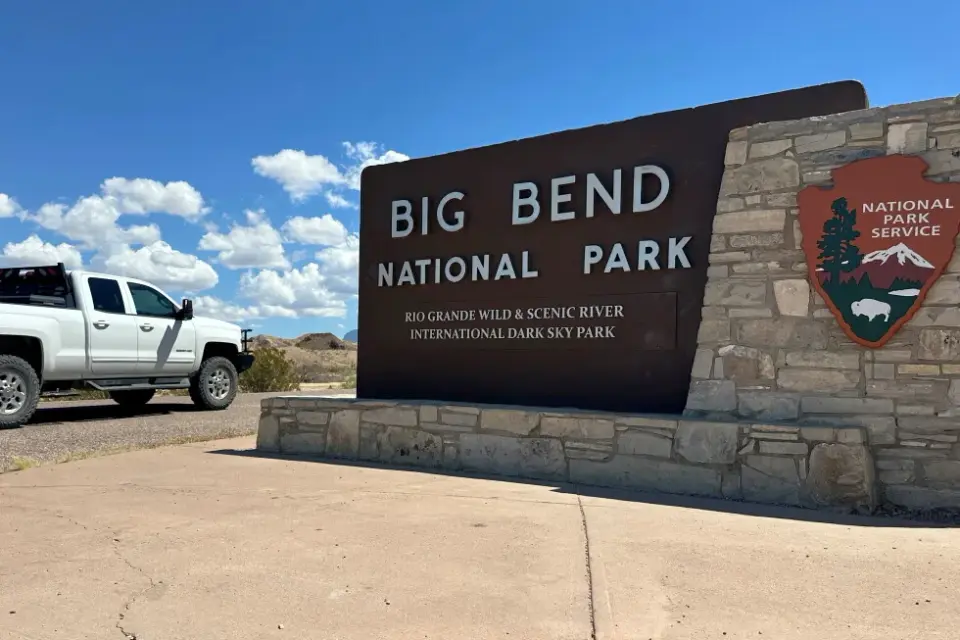
U.S. District Judge Kathleen Cardone issued a preliminary injunction on October 2, 2026, halting all border barrier construction in Texas's Big Bend region. The order stops 'ground-disturbing activities' within one mile of the Rio Grande and inside Big Bend National Park until the lawsuit is resolved. The ruling also voids federal waivers that allowed the administration to bypass environmental and cultural resource laws. The decision follows months of bipartisan opposition and comes after the first wall panels were erected in mid-September.
Key points
- Judge Cardone ruled that plaintiffs are likely to succeed on constitutional claims and would suffer irreparable harm without the injunction.
- The order suspends a $7.5 billion infrastructure project involving 30-foot steel bollards, roads, and surveillance technology.
- The ruling voids federal waivers that fast-tracked construction by bypassing the Endangered Species Act and National Environmental Policy Act.
- The Big Bend sector accounts for only 1.3% of border apprehensions, despite comprising 28.5% of the southwest border's length.
- The government had previously paused construction in the national park, but that pause expired on September 30, prompting renewed opposition.
Background
The dispute began in January 2026 when the Trump administration announced plans to expand border infrastructure in the Big Bend region. In August, bulldozers were spotted clearing land in Big Bend National Park, sparking widespread bipartisan opposition. A coalition of 230 private landowners filed a lawsuit in September, arguing the area was wrongly designated a 'high illegal entry' zone to enable eminent domain. The current ruling follows a separate temporary pause secured by residents in San Ygnacio, Texas.
How outlets are covering it
AP News and CNN reported the ruling as a major victory for environmentalists and landowners, emphasizing the halt of construction in the national park. Marfa Public Radio highlighted the emotional testimony from locals and the voiding of federal waivers, noting that the Big Bend sector is the least trafficked on the border. The Texas Tribune focused on the constitutional arguments, including separation of powers and property rights, and noted that the government had previously waived environmental laws to expedite construction. CBP and DHS did not immediately respond to requests for comment, but a CBP spokesperson stated the agency is working with the Justice Department on next steps and remains confident in its legal authorities.
Why it matters
The ruling sets a precedent for challenging federal border infrastructure projects that bypass environmental and property rights laws. It highlights the tension between federal border security priorities and local opposition in remote, low-traffic areas. The voiding of federal waivers could impact other border construction projects that rely on similar fast-tracking mechanisms.
What to watch
The construction pause will remain in effect until a decision is made on the merits of the case. If the Trump administration appeals the order, the case will go to the U.S. Supreme Court. The administration has said it is reevaluating plans for Big Bend National Park but has not yet announced specific alternatives. The government had indicated it was prepared to refer cases to the Justice Department for eminent domain if it could not secure permission from landowners.
- Judge temporarily blocks border wall construction in Texas’ Big Bend region AP News
- Judge halts Big Bend area border wall construction, use of federal waivers Marfa Public Radio
- Judge Blocks Border Wall Construction in Big Bend in Texas The New York Times
- Federal court temporarily blocks Trump administration border wall in Texas’ Big Bend region CNN
- Judge halts border barrier construction in Big Bend The Texas Tribune
Want the full story? Read the original reporting
Read on AP News