
GAO Report: DOGE Overstated Savings by Billions, Misrepresented Terminations
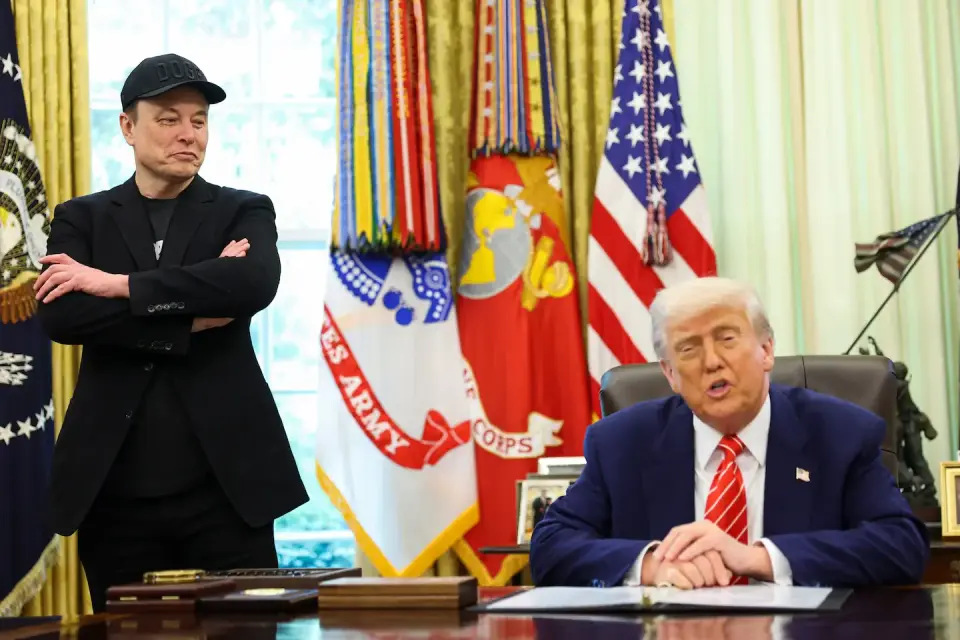
The Government Accountability Office (GAO) released a report on August 6, 2026, finding that the Department of Government Efficiency (DOGE) significantly overstated its claimed savings. The audit concluded that DOGE took credit for lease cancellations initiated before its existence, claimed contract terminations that never occurred, and failed to verify billions of dollars in reported savings. DOGE did not respond to GAO inquiries.
Key points
- GAO found that $110 billion in claimed savings from contracts, leases, and grants were incorrect or lacked supporting evidence.
- 108 of 264 leases DOGE claimed to terminate were already in the process of being eliminated before DOGE was established in January 2025.
- DOGE claimed a $1.7 billion savings from a Pentagon Defense Health Agency IT contract but never terminated or slashed the funding.
- DOGE did not respond to GAO requests for information or interviews.
- The GAO report was requested by Democratic Senators Richard Blumenthal and Gary Peters.
Background
DOGE, led by Elon Musk, operated from January 2025 until its official end on July 4, 2026. Prior to the GAO report, news outlets had already documented discrepancies in DOGE's 'Wall of Receipts,' with some analyses finding that only a small fraction of claimed contract savings were legitimate. The GAO report adds to a body of evidence suggesting DOGE's legacy is more tied to high-profile agency closures and employee firings than to broad, verified cost-cutting.
How outlets are covering it
The Washington Post and CBS News emphasized the scale of the inaccuracies, noting that DOGE consistently overstated savings and took credit for pre-existing actions. CBS News highlighted that DOGE refused to show its work and put Americans' sensitive data at risk. Politico noted that DOGE's claimed savings of $215 billion are a small fraction of the $7 trillion federal budget and that its legacy is more about disruptive fights than actual cost-cutting. MS NOW framed DOGE as a failed experiment in amateurism, noting that its promises went unfulfilled and its goals were unmet. All sources agree that DOGE did not respond to GAO inquiries, but they differ in emphasis: The Post and CBS focus on the specific inaccuracies, while Politico and MS NOW focus on the broader failure of DOGE's mission and its legacy.
Why it matters
The GAO report provides a formal, nonpartisan assessment of DOGE's claims, undermining the narrative that DOGE achieved significant, verified savings. It highlights the lack of transparency and accountability in DOGE's operations and raises questions about the impact of DOGE's actions on federal agencies and public services. The report also underscores the importance of independent oversight in government operations.
What to watch
The GAO recommended that DOGE prominently display data quality issues and limitations on its 'Wall of Receipts.' It is unclear if the Trump administration will implement these recommendations, given that DOGE has ended and DOGE did not respond to GAO inquiries. The report may also inform future debates about the role of executive agencies in cost-cutting and the need for transparency in government operations.
- Elon Musk’s DOGE made big errors in claims of government savings, GAO finds The Washington Post
- DOGE's "wall of receipts" riddled with inaccuracies and unsubstantiated claims, congressional watchdog says CBS News
- DOGE overstated savings, government watchdog says politico.com
- Audit finds DOGE operation overstated its savings, ‘did not accurately report actions’ MS NOW
- Watchdog puts new numbers on the size of DOGE, but many details remain unknown as agencies refuse to turn over information GovExec.com
Want the full story? Read the original reporting
Read on The Washington Post