US debt climbs above $39 trillion, signaling mounting fiscal strain
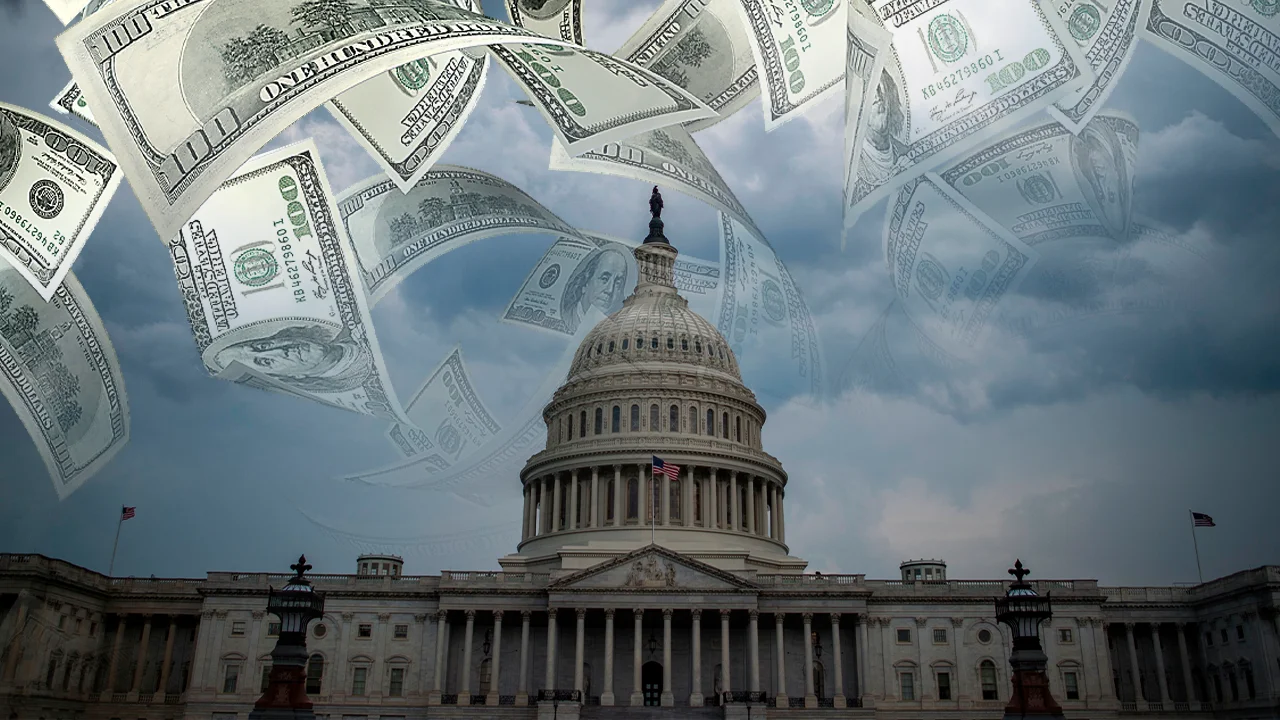
The U.S. national debt has surpassed $39 trillion, highlighting mounting government borrowing and ongoing fiscal pressures.
All articles tagged with #federal budget

The U.S. national debt has surpassed $39 trillion, highlighting mounting government borrowing and ongoing fiscal pressures.

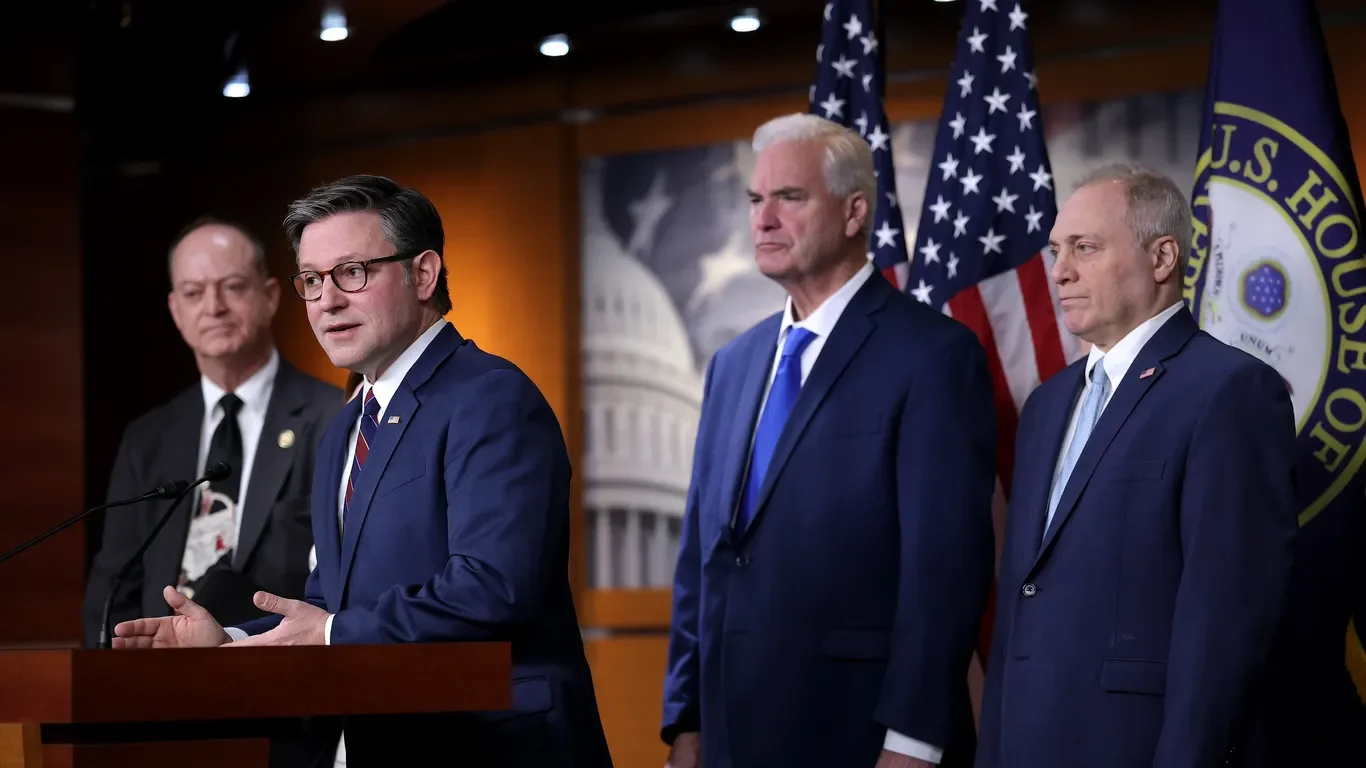
A partial U.S. government shutdown began after Democrats blocked a comprehensive spending bill that would fund many agencies but exclude Homeland Security, pushing the fate of most federal funding to a House vote on a revised package. The Senate approved a modified plan that would fund DHS only temporarily, while House leadership works to rally support, making the final outcome dependent on Speaker Johnson's ability to unite Republicans and Democrats next week. DHS would continue operating on current spending levels for a two-week extension to buy time for broader negotiations.
Federal funding is set to lapse for several non-defense programs this weekend, but most services will continue thanks to prior appropriations. Lawmakers are pushing a broad funding package plus a two-week DHS stopgap to avert a longer shutdown, with a Monday vote anticipated as leaders try to finish the deal.

The Trump administration ordered a broad, data-driven review of federal funds going to 14 Democratic-led states (plus DC), requesting detailed spending data for 2025–2027 to identify waste and potential fraud rather than withholding funds. Led by OMB Director Russel Vought, the inquiry expands an ongoing effort sparked by Minnesota fraud allegations and aims to map spending across grants, loans, contracts, and other awards, including those to colleges, localities, and nonprofits. The move follows prior actions targeting sanctuary cities and comes as the administration tightens scrutiny of blue-state spending, with agencies given a near-term deadline to report the data.
The House moved the four FY2026 spending bills (Defense; Labor-HHS-Education; Transportation-HUD) toward Senate passage and set up a separate vote for Homeland Security. Conservative leaders secured amendments to kill some earmarks and block enforcement of vehicle kill-switch tech, and a congressional working group on ethanol policy was created to appease farm-state Republicans ahead of the Jan. 30 funding deadline, while DHS funding remains politically contentious over immigration enforcement.

Congressional appropriators released a four-bill FY2026 minibus covering Defense, Homeland Security, Labor, HHS, Education, Transportation and HUD, moving toward a full-year budget before Jan 30. Highlights include $1.58B for the FAA and a 3.8% pay raise for air traffic controllers (contingent on efficiency gains), a flat Education Department budget around $79B, maintained or increased HHS/SAMHSA funding, a $15B SSA admin budget, and targeted staffing cuts at Transportation and HUD framed by Republicans as 'right-sizing,' while small agencies stay funded.

The House approved a two-bill spending package funding the Treasury, State, IRS, and FTC with a 341-79 vote, moving lawmakers closer to preventing a Jan. 30 government shutdown. Conservatives pressed for amendments, but both failed as Speaker Mike Johnson navigates narrow margins. Additional appropriations remain for the 2026 fiscal year, with DHS funding and ICE policy a sticking point, and the Senate has yet to act on related bills.

President Trump proposed a $2,000 tariff dividend for Americans, funded by tariffs on imports, but budget experts and treasury officials doubt the plan's feasibility due to insufficient revenue and legal challenges. The tariffs have increased federal revenue but are unlikely to finance such dividends, and the plan faces significant legislative and legal hurdles.

Canada's new federal budget, introduced by Finance Minister François-Philippe Champagne, features significant spending aimed at boosting competitiveness and infrastructure, alongside planned austerity measures including job cuts and ministry reductions. The budget emphasizes transforming Canada into a 'clean energy superpower,' increasing defense spending, and diversifying trade away from the US, while also marking a shift away from Trudeau-era policies such as immigration targets and environmental initiatives. It aims to address economic challenges posed by global shifts and US trade tensions through strategic investments and reforms.

The article discusses the ongoing government shutdown nearing a record length, highlighting key pressure points such as SNAP benefits and ACA subsidies, the debate over the Senate filibuster, and the potential for a resolution amid upcoming elections and public pressure.

During a prolonged federal shutdown, President Trump attempted to use available funds to sustain the SNAP program for millions of low-income Americans, revealing a strategy to leverage the shutdown to advance his policy agenda, despite initial claims of limited options from the White House.
The article argues that the recent SNAP food benefit shutdown was a deliberate outcome of Republican policies, particularly the Big Beautiful Bill, which restricted benefit updates, shifted costs to states, and targeted immigrant families, ultimately weakening the safety net and increasing hunger among vulnerable populations.

The US is experiencing a prolonged government shutdown affecting food aid, healthcare costs, and federal workers, with bipartisan talks ongoing but no immediate resolution in sight, as political disagreements continue to impact millions of Americans.

The US government has announced that starting November 1, federal food aid through SNAP will cease due to the ongoing government shutdown, which is now the second-longest on record. The USDA states contingency funds cannot cover regular benefits, raising concerns for millions of Americans relying on food assistance amid political disagreements between Democrats and Republicans.

The ongoing government shutdown, the second-longest in U.S. history, is increasingly seen as a tool for President Trump to consolidate power, punish Democrats, and reconfigure federal priorities, with both parties entrenched in a political standoff that is affecting federal workers and services.