
Grand Jury Rejects DOJ Bid to Indict Cassidy Hutchinson Over Jan. 6 Testimony
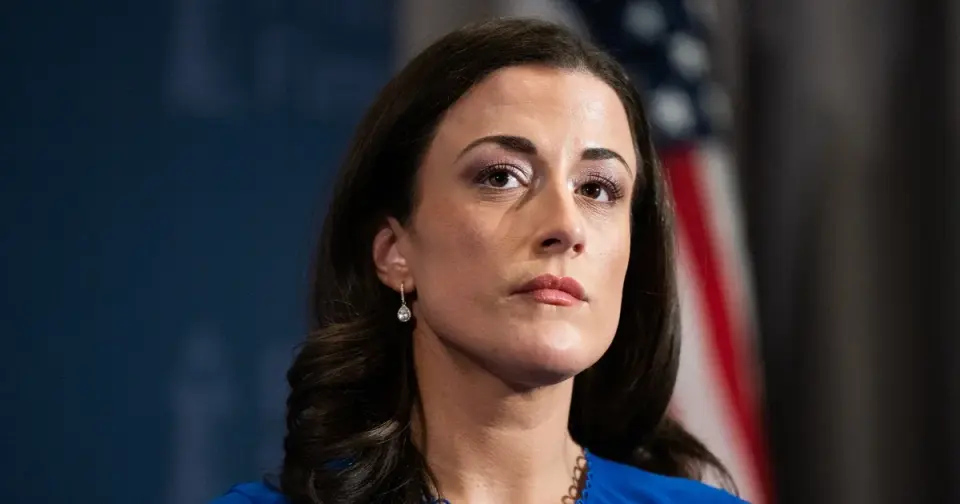
A federal grand jury in Washington declined to indict former White House aide Cassidy Hutchinson, rejecting the Justice Department's attempt to charge her with lying about her 2022 testimony regarding President Trump's actions on January 6, 2021. The decision, known as a 'no bill,' marks a significant setback for the Trump administration's legal strategy against political critics. The case was handled by the DOJ's Civil Rights Division, which has faced scrutiny for pursuing charges against perceived adversaries. Hutchinson, a former aide to Mark Meadows, had given damaging testimony about Trump's behavior during the Capitol attack, including claims that he urged the removal of metal detectors and attempted to force his way to the Capitol. The grand jury's refusal to indict does not bar the DOJ from attempting to charge her again in the future.
Key points
- A federal grand jury in Washington returned a 'no bill,' declining to indict Cassidy Hutchinson on criminal charges related to her 2022 testimony about Jan. 6.
- The Justice Department's Civil Rights Division, led by Harmeet Dhillon, pursued the case, which was referred by House Republicans.
- Hutchinson testified that Trump urged the removal of metal detectors and attempted to force his way to the Capitol, claims contradicted by Secret Service officials.
- The failure to secure an indictment is part of a pattern of denials in cases against Trump's political enemies, including Adam Schiff, John Brennan, and Letitia James.
- The DOJ can still attempt to charge Hutchinson in the future, as the grand jury's decision does not bar future prosecution attempts.
Background
Cassidy Hutchinson, a former White House aide to Mark Meadows, became a star witness for the Democratic-led Jan. 6 committee in 2022, providing testimony about Trump's actions during the Capitol attack. The Trump administration has pursued legal action against several political critics, including Adam Schiff, John Brennan, Letitia James, and James Comey, with many cases failing to secure indictments. The DOJ's Civil Rights Division has been scrutinized for bypassing standard prosecution channels and pursuing cases against perceived adversaries. The grand jury's refusal to indict Hutchinson follows a series of denials in similar cases, highlighting the challenges the administration faces in its legal strategy against political opponents.
How outlets are covering it
NBC News and The New York Times emphasize the broader pattern of failed indictments against Trump's political enemies, noting that the DOJ has repeatedly struggled to secure charges in cases it has pursued. CBS News highlights the specific claims Hutchinson made about Trump's behavior on Jan. 6, including his disregard for security measures and his attempt to force his way to the Capitol. The Guardian focuses on the political context, noting that Hutchinson's testimony was seen as powerful due to her proximity to power and that Trump had called her a 'scam artist.' All sources agree that the grand jury's decision is a significant setback for the administration's legal strategy, but they differ in their emphasis on the specific claims and the broader political implications.
Why it matters
The grand jury's refusal to indict Cassidy Hutchinson underscores the challenges the Trump administration faces in using federal prosecutorial powers against political critics. The decision highlights the limitations of the DOJ's efforts to pursue charges against perceived adversaries and raises questions about the administration's legal strategy. It also reflects the broader pattern of denials in cases against other political figures, suggesting that the administration may struggle to secure convictions in similar cases. The outcome may have implications for future legal actions against political critics and could influence public perception of the administration's use of federal resources.
What to watch
The Justice Department may attempt to charge Cassidy Hutchinson again in the future, as the grand jury's decision does not bar future prosecution attempts. The administration may also continue to pursue legal action against other political critics, though the pattern of denials suggests that such efforts may face similar challenges. The outcome may influence public perception of the administration's legal strategy and could have implications for future cases against political opponents. The DOJ may also face scrutiny for its handling of the case and its broader use of federal prosecutorial powers.
- Grand jury declines to indict former Trump aide Cassidy Hutchinson, star witness of Jan. 6 committee, U.S. official says NBC News
- Grand jury declines to indict Cassidy Hutchinson over Jan. 6 testimony The Washington Post
- Grand jury declines to indict Trump critic Cassidy Hutchinson over Jan. 6 testimony CBS News
- Grand jury declines to indict ex-White House staffer who testified about January 6 The Guardian
- Grand Jury Declines to Bring Charges Against Cassidy Hutchinson The New York Times
Want the full story? Read the original reporting
Read on NBC News