
Israel Election Deadlock: Arab Surge Blocks Netanyahu, Sparks Foreign Interference Probe
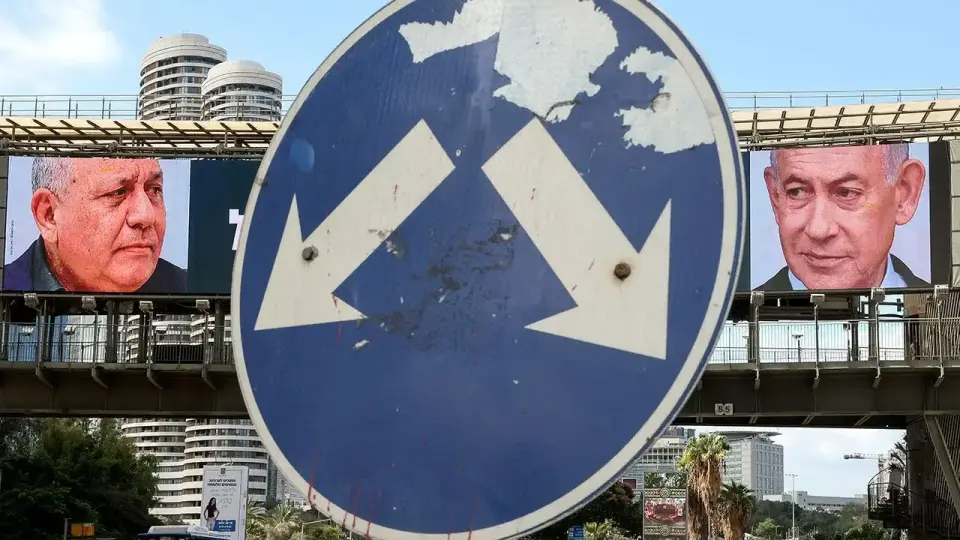
Israel’s October 27 election resulted in a parliamentary deadlock, with neither Benjamin Netanyahu nor challenger Gadi Eisenkot securing the 61 seats needed for a majority. Netanyahu’s bloc holds 53 seats, while the opposition bloc has 48. A historic surge in Arab voter turnout, reaching 80%, gave Arab parties 19 seats, making them pivotal kingmakers. Allegations of Qatari financial interference in Arab communities have triggered a Shin Bet investigation, complicating coalition negotiations. President Isaac Herzog must now decide who receives the mandate to form a government, with options including a unity deal or a repeat election.
Key points
- Netanyahu’s Likud-led bloc won 53 seats, falling short of the 61-seat majority required to govern.
- Gadi Eisenkot’s opposition bloc secured 48 seats, also lacking a majority without Arab support.
- Arab parties, Raam and the Joint List, won a combined 19 seats, nearly doubling their 2022 representation.
- Arab voter turnout surged to 80%, up from 53.2% in 2022, according to the Israel Democracy Institute.
- Channel 12 reported allegations of Qatari funds influencing Arab voters, prompting a Shin Bet investigation ordered by the Central Elections Committee.
- Qatar denied the allegations, calling them a disinformation campaign, while Likud accused Arab parties of stealing the election.
Background
This election follows the October 7, 2023, Hamas attack and the subsequent war in Gaza, which polarized Israeli voters. Netanyahu, the longest-serving prime minister, faced criticism over security failures and international war crime charges, while supporters credited him with restoring regional security. Previous exit polls indicated a tight race, with both blocs hovering near 50 seats and Arab parties projected to win 17-18 seats. The current results confirm the deadlock, with Arab parties emerging as decisive players. Earlier coverage noted concerns over a potential constitutional crisis if Netanyahu rejects the outcome, and fears that coalition talks could collapse due to pre-election refusals to ally with Arab factions.
How outlets are covering it
Fox News emphasized the political fallout from Qatari interference allegations, highlighting Likud’s accusations of voter fraud and the Shin Bet investigation. It noted that Netanyahu’s coalition lacks a majority and that foreign interference claims could delegitimize Arab parties. CNN focused on Netanyahu’s survival tactics, suggesting he might use a security crisis or Trump’s intervention to block an opposition government. It highlighted the fractured nature of the opposition bloc and the risk of another election. NPR stressed the historic Arab turnout and the ideological divisions within the opposition, noting that some leaders refuse to ally with Arab parties despite their pivotal role. It also mentioned the potential for a unity government or a repeat election if coalition talks fail. All sources agreed on the deadlock but differed on the likelihood of a unity deal versus a new election, with Fox News and CNN more skeptical of a stable coalition, while NPR noted Herzog’s desire to avoid another vote.
Why it matters
The deadlock threatens political instability in Israel, with Netanyahu remaining caretaker prime minister until a new government is formed. The surge in Arab representation could reshape Israeli politics, but cooperation with Arab parties is contested by right-wing factions. Foreign interference allegations risk undermining the election’s legitimacy and could delay coalition formation. The outcome will affect Israel’s regional policies, including potential military actions against Iran, and its international standing amid ongoing war crime charges. A failure to form a government could lead to a repeat election, prolonging uncertainty and weakening Israel’s position in regional negotiations.
What to watch
President Isaac Herzog will receive official results next week and begin consultations with party leaders to determine who receives the mandate to form a government. The chosen candidate has 28 days, plus a possible 14-day extension, to negotiate a coalition. If no government is formed, the mandate passes to another candidate, and if that fails, Israel will face a repeat election. The Shin Bet investigation into Qatari interference is expected to conclude within one week, potentially influencing coalition dynamics. Coalition talks will focus on whether the opposition can overcome divisions over Arab party cooperation, or if a unity government between Netanyahu and Eisenkot becomes viable. Trump’s potential involvement in brokering a unity deal, excluding far-right figures like Itamar Ben-Gvir, is also under consideration.
- Netanyahu falls short of majority as Israel faces three possible paths to a new government Fox News
- Netanyahu is the ultimate survivor. But can he survive this time? CNN
- Cartoon: Israel’s election The Economist
- With most votes counted, Israeli election reaches a stalemate NPR
- A record Arab vote brings a painful dilemma for Israel’s opposition The Washington Post
Want the full story? Read the original reporting
Read on Fox News