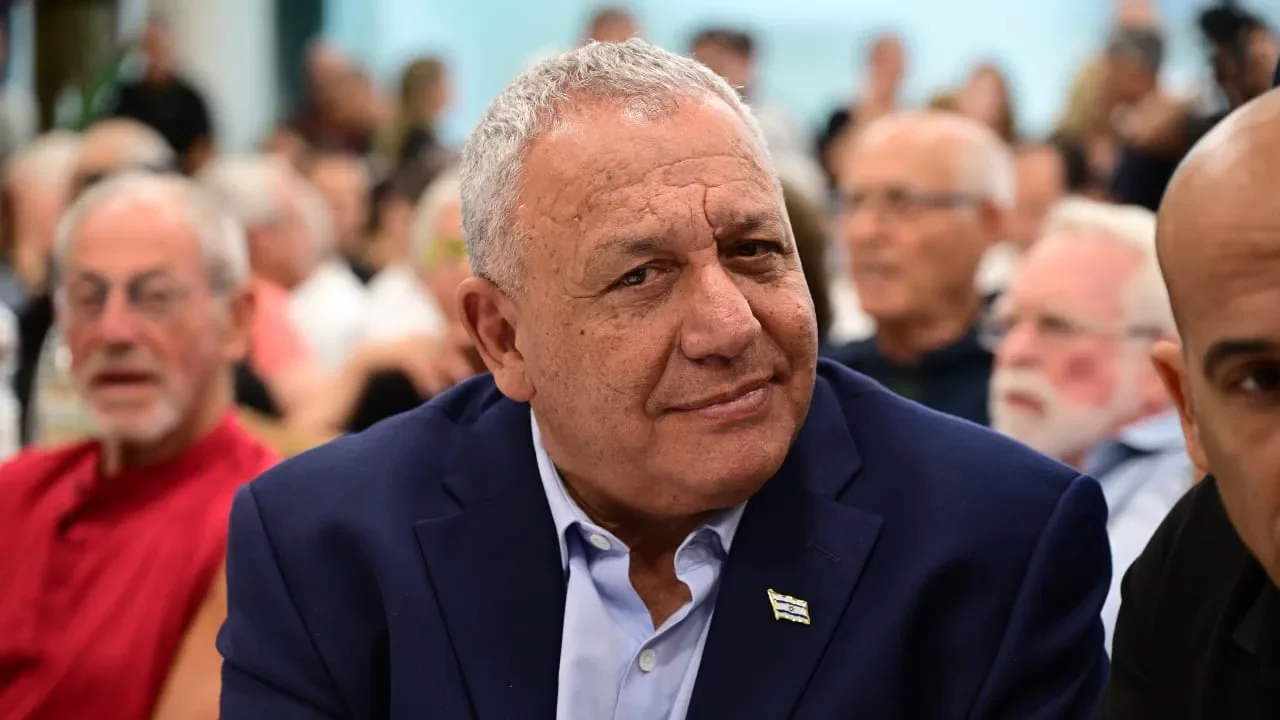
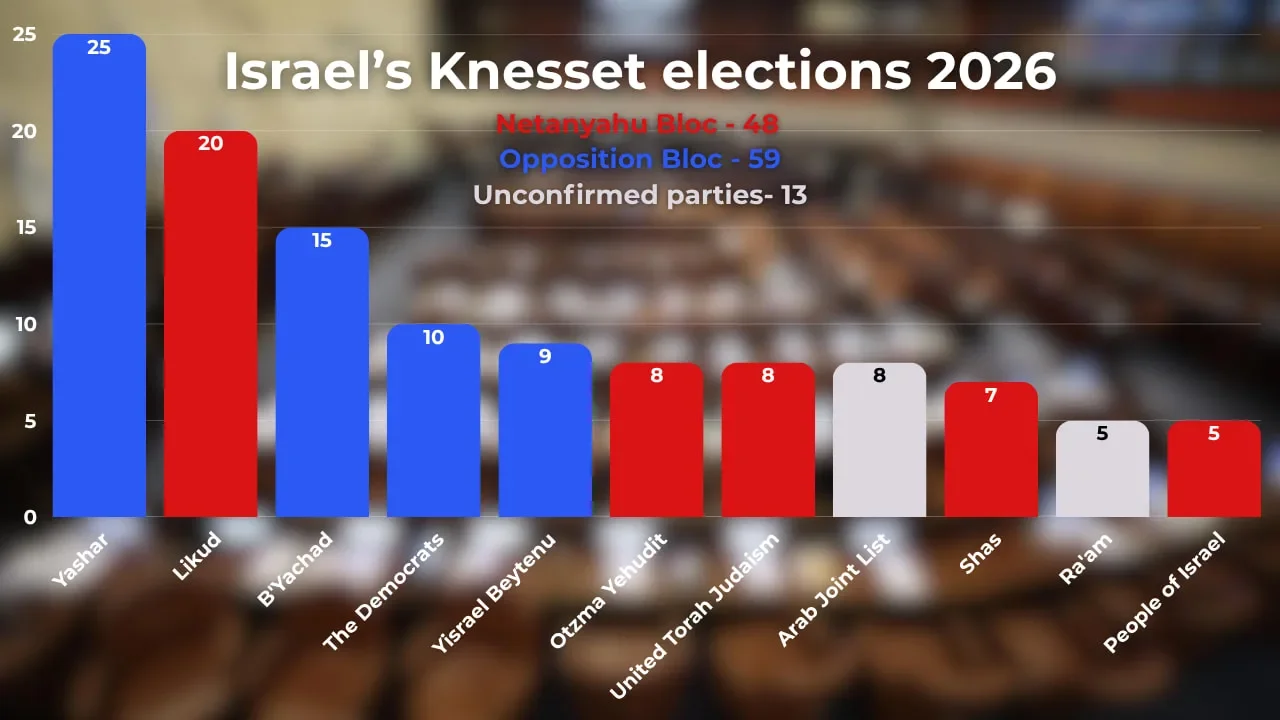
A Maariv poll shows an opposition bloc led by Gadi Eisenkot could achieve a 61-seat Knesset majority if Yoaz Hendel and Yaron Zelekha join, even without Arab lists. Netanyahu's coalition would drop to 47 seats; Arabs tally 12. The results are provisional, dependent on final candidate lists and crossing thresholds.
Israel’s 2026 election features Netanyahu’s Likud and a reconfigured right-wing bloc facing a growing opposition led by ex-IDF chiefs Eisenkot and Gantz, plus a new third bloc and Arab parties. In the wake of the Oct 7 Hamas attack, key issues include national security, the IDF manpower shortage, haredi draft laws, and calls for a state commission of inquiry into government failures, alongside rising living costs. Polls show Likud’s support slipping and coalition math becoming decisive, with new groups like Zionist Home–The Reservists, Unity Party, and People of Israel vying for kingmaker influence, alongside Ra’am, Hadash-Ta’al, and Balad. The election outcome may hinge more on post-vote coalition negotiations than on a straightforward mandate for any single party.