
Missouri High Court Reverses GOP Redistricting, Orders Voter Vote on Map
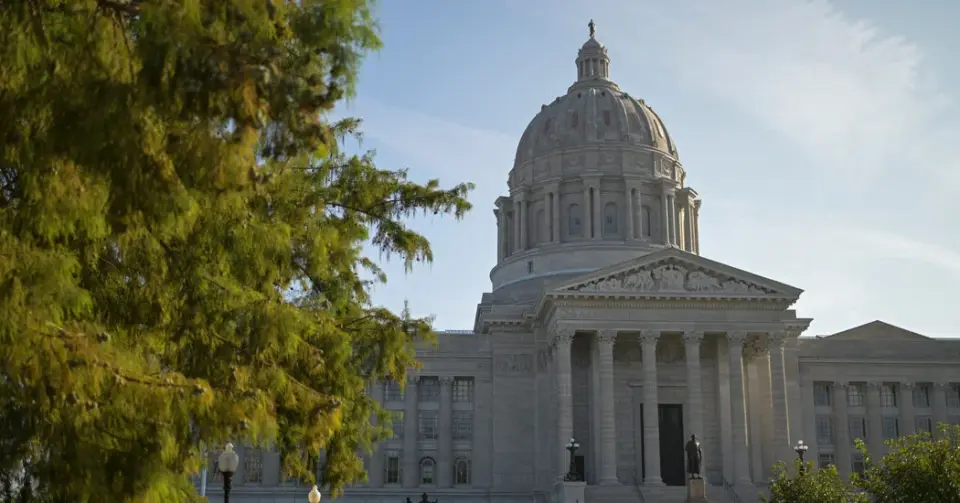
The Missouri Supreme Court unanimously ruled that the new congressional map passed by Republicans in 2025 is invalid for the November 2026 general election. The court ordered that the previous 2020 map be used for the upcoming election and that a referendum on the new boundaries be placed on the ballot. This decision blocks a Republican effort to flip a Kansas City-area seat, though the state attorney general has vowed to appeal to the U.S. Supreme Court.
Key points
- The Missouri Supreme Court ruled 7-0 that the new congressional districts (HB 1) cannot be used for the November 2026 general election.
- The court ordered Secretary of State Denny Hoskins to place a referendum on the new map on the November ballot, reversing his previous refusal to certify the petition.
- The 2020 census-based map remains in effect for the November election, likely preserving the seat of Democrat Rep. Emanuel Cleaver in the Kansas City area.
- Missouri Attorney General Catherine Hanaway called the decision a 'constitutional crisis' and vowed to appeal to the U.S. Supreme Court.
- The ruling creates uncertainty regarding how candidates will be determined for the general election, as primaries were held under the new map but the general election will use the old one.
Background
This ruling follows a year of legal battles over mid-decade redistricting, a trend initiated by President Trump to help Republicans in the 2026 midterms. Missouri was among the first states to attempt this, with Governor Mike Kehoe calling a special session in 2025 to redraw the 5th Congressional District. The new map split Kansas City to target Democrat Rep. Emanuel Cleaver. Previous coverage noted that the Missouri Supreme Court had already rejected claims that the special session was illegal or that the new districts were not compact enough, but this latest ruling addresses the referendum process.
How outlets are covering it
The New York Times and The Guardian emphasize the Democratic victory and the unprecedented nature of using different maps for primaries and general elections. Politico highlights the likely impact on the House balance of power, noting that the ruling likely nets Democrats one seat. KOMU 8 provides a detailed account of the legal process, including the court's order for Hoskins to certify the referendum by September 8. While all outlets agree on the court's ruling, they differ in emphasis: The New York Times focuses on the legal uncertainty and the attorney general's appeal, while The Guardian frames it as a rare setback for Republicans in a national redistricting battle. Politico focuses on the political implications for the 2026 midterms and the 2028 redistricting cycle. KOMU 8 provides the most detailed account of the legal process and the court's specific orders.
Why it matters
This ruling has significant implications for the 2026 midterms and the balance of power in the U.S. House. It blocks a Republican effort to flip a Kansas City-area seat, potentially helping Democrats maintain or gain seats. It also sets a precedent for mid-decade redistricting and the use of referendums to challenge congressional maps, which could impact future redistricting battles in other states. The ruling also highlights the tension between state legislatures and voters over the power to draw congressional districts.
What to watch
The next steps include the U.S. Supreme Court potentially hearing an appeal from the Missouri attorney general. The state will also need to determine how candidates will be selected for the November general election, given that primaries were held under the new map. The referendum on the new map will be held in November, with the outcome potentially determining the map's future. The ruling may also influence redistricting efforts in other states and the 2028 redistricting cycle.
- Missouri Supreme Court Delivers Win for Democrats in Redistricting Case The New York Times
- Missouri Supreme Court orders gerrymandered map, Amendment 6 to go on November ballot KOMU 8
- Missouri supreme court throws out new congressional maps backed by Trump The Guardian
- Missouri Supreme Court pauses GOP gerrymander, likely netting Democrats 1 House seat politico.com
- Missouri Supreme Court rules new GOP-drawn map can’t be used for November elections NBC News
Want the full story? Read the original reporting
Read on The New York Times