
Spain's Sánchez Calls November 29 Vote After Housing Defeat
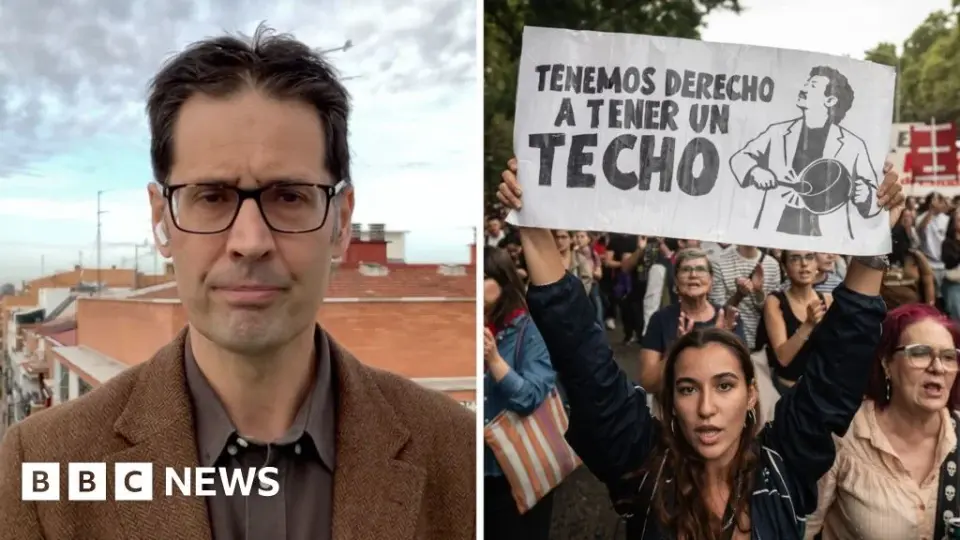
Spanish Prime Minister Pedro Sánchez announced a snap election for November 29 after his minority government failed to pass emergency housing legislation. The vote follows months of escalating crises, including a migrant surge in Ceuta and corruption scandals involving his inner circle. While Sánchez aims to mobilize left-wing voters against a potential far-right coalition, polls show his Socialist party trailing the conservative People's Party.
Key points
- Sánchez called the election after his coalition lost a vote on housing reforms in the Spanish Congress.
- The decision follows the eviction of 87-year-old Maricarmen Abascal, which triggered nationwide protests.
- Polls show the People's Party leading with over 30%, while the Socialist Party trails at 26%.
- The far-right Vox party, polling at 18%, is expected to potentially form a coalition with the conservatives.
- Sánchez faces corruption allegations involving his wife and former allies, complicating his re-election bid.
Background
Spain's housing crisis intensified in early October 2026 after the eviction of Maricarmen Abascal, leading to mass protests and the rejection of emergency decrees by the Spanish Congress. Sánchez's minority government had already faced pressure from corruption scandals involving his inner circle and a migrant surge into Ceuta in the summer.
How outlets are covering it
The BBC emphasizes Sánchez's warning about an 'extreme-right wave' and his framing of the election as a choice between peace and regression. The New York Times highlights the broader context of corruption scandals, the migrant crisis in Ceuta, and the economic implications, noting that while Spain's economy is growing, the euro dropped to its lowest level since May 2025 following the announcement. Both outlets agree that Sánchez faces an uphill battle, but the NYT provides more detail on the specific corruption cases involving his wife and former allies.
Why it matters
The snap election could determine whether Spain maintains its left-leaning government or shifts to a conservative-far-right coalition, with significant implications for European politics and economic stability.
What to watch
Sánchez will campaign on social justice and housing reforms, while the People's Party and Vox focus on immigration and economic issues. Small left-wing parties are attempting to unite to support Sánchez, but their fragmentation may complicate his bid for a majority.
- Why has Spain's PM called a snap election? BBC
- Spain’s Leader Calls an Early Election The New York Times
- Spain Heads to Early Election With Europe Tilting Right Bloomberg.com
- Spain's Sanchez gambles on snap election after housing protests give rare boost Reuters
- Spain's Prime Minister Pedro Sánchez calls early election BBC
Want the full story? Read the original reporting
Read on BBC