
Supreme Court’s 2026 Term Opens With High-Stakes Immigration and Climate Battles
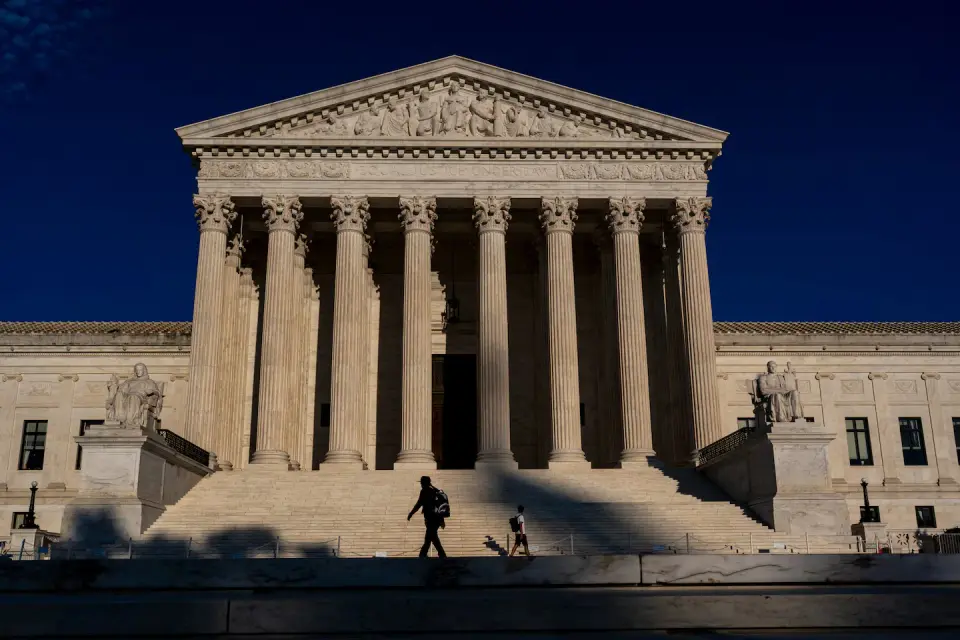
The U.S. Supreme Court begins its new term on October 6, 2026, with a docket focused on immigration, climate change, and gun rights. Key cases include challenges to mandatory detention policies and third-country deportations, alongside a major climate lawsuit against oil giants. The term also features disputes over religious land use and military benefits, while President Trump publicly criticizes the court for previous rulings against his administration.
Key points
- The Court will hear arguments on a climate case that could determine the fate of state lawsuits seeking damages from oil companies.
- Immigration cases involve mandatory detention for noncitizens and the legality of deporting individuals to third countries without ties.
- President Trump has expressed frustration with the Court, claiming his appointees have not supported his administration's agenda as expected.
- Additional cases address religious land use protections and military benefits in divorce settlements.
- The Court previously blocked the administration's attempt to rewrite mail-in voting rules, leading to public criticism from the President.
Background
The current term follows a period of significant tension between the executive and judicial branches. In the previous term, the Court blocked the administration's efforts to alter mail-in voting rules and rejected attempts to undermine birthright citizenship, despite granting wins on temporary protected status and asylum rules. Recent redistricting battles, such as the Missouri map dispute, highlighted the Court's role in preventing electoral chaos close to midterms. The new term continues this pattern of high-stakes constitutional and policy challenges.
How outlets are covering it
The Washington Post emphasizes the broad impact on guns, religion, and immigration, noting the potential for a justice retirement. Axios highlights the friction between President Trump and the Court, detailing his public criticism of his own appointees for blocking voting rule changes. Yahoo provides a general overview but lacks specific details on the cases. All sources agree on the significance of the immigration and climate cases, but Axios uniquely focuses on the political fallout from the Court's previous rulings against the administration.
Why it matters
The rulings in this term will directly shape federal immigration enforcement, climate liability for corporations, and the balance of power between the executive and judicial branches. The Court's decisions on mandatory detention and third-country deportations could affect tens of thousands of individuals, while the climate case may set precedents for environmental litigation nationwide. Additionally, the public friction between the President and the Court raises questions about the independence and legitimacy of the judiciary in a polarized political environment.
What to watch
The Court will hear arguments in the climate case on October 6, followed by decisions on immigration cases in December. Further rulings on gun control and voting rights are expected later in the term. The outcome of these cases will influence the 2026 midterm elections and the broader legal landscape for federal policy.
- 6 things to watch in the Supreme Court’s new term The Washington Post
- How the Midterms Could Complicate the Supreme Court’s New Term The New York Times
- A Trump-sized shadow looms over the Supreme Court's new term Axios
- Supreme Court's new term begins today. Here's what to know. Yahoo
- As election looms, Supreme Court reconvenes to new wave of Trump cases ABC News - Breaking News, Latest News and Videos
Want the full story? Read the original reporting
Read on The Washington Post