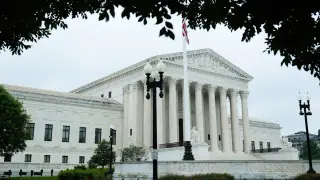
The Supreme Court is weighing Suncor v. Boulder, a case determining if federal law preempts state climate lawsuits against oil giants. Energy experts warn a ruling for Boulder could bankrupt firms and spike gas prices, while justices questioned the scope of potential liability.
The Supreme Court heard oral arguments in Suncor v. Boulder, a pivotal case determining if federal law preempts state climate lawsuits against fossil fuel companies. With Justice Alito recused, a 4-4 split could leave the lower court’s ruling intact without setting national precedent. Justices signaled deep divisions, with liberals seeking procedural exits and conservatives emphasizing federal preemption, potentially impacting dozens of similar suits nationwide.
The U.S. Supreme Court begins its new term on October 5, 2026, with a docket focused on immigration detention, gun rights, and climate liability. President Trump has publicly criticized the court for blocking his mail-in ballot restrictions, despite recent wins on other executive orders.
The US Supreme Court heard arguments on October 5 in Suncor Energy v. Boulder County, a pivotal case determining whether federal law preempts state-level climate damages lawsuits against ExxonMobil and Suncor. Boulder seeks billions in compensation for climate-related harms, alleging the companies concealed knowledge of fossil fuel impacts. While the court’s direction remains unclear, experts suggest the justices struggled to find a clear legal basis for the industry’s preemption arguments. A ruling is expected next summer, with potential implications for dozens of similar cases nationwide.
The U.S. Supreme Court begins its new term on October 6, 2026, with a docket focused on immigration, climate change, and gun rights. Key cases include challenges to mandatory detention policies and third-country deportations, alongside a major climate lawsuit against oil giants. The term also features disputes over religious land use and military benefits, while President Trump publicly criticizes the court for previous rulings against his administration.
The Supreme Court began its 2026-2027 term on October 5, 2026, with a docket focused on climate liability, gun control, and immigration enforcement. The first case, Suncor Energy v. Boulder, tests whether states can sue fossil fuel companies for climate damages, with Justice Alito recused due to stock holdings. The court will also hear arguments on AR-15 bans in December and review Trump administration policies on mandatory detention and third-country deportations. A case involving Catholic preschools and LGBTQ+ enrollment rights is scheduled for November. While the court avoided some high-profile Trump cases last term, new disputes over immigration and voting laws are now pending, amid ongoing tensions between the president and the justices.
The U.S. Supreme Court begins its 2026-2027 term with a docket centered on federalism, climate liability, and religious exemptions. Key cases include Suncor Energy v. Boulder County, which tests whether states can sue oil companies for global climate impacts, and St. Mary Catholic Parish v. Roy, challenging Colorado's universal preschool funding conditions. The term also addresses gun rights, immigration detention, and voting rules, following a summer of emergency rulings on mail-in voting and citizenship requirements.
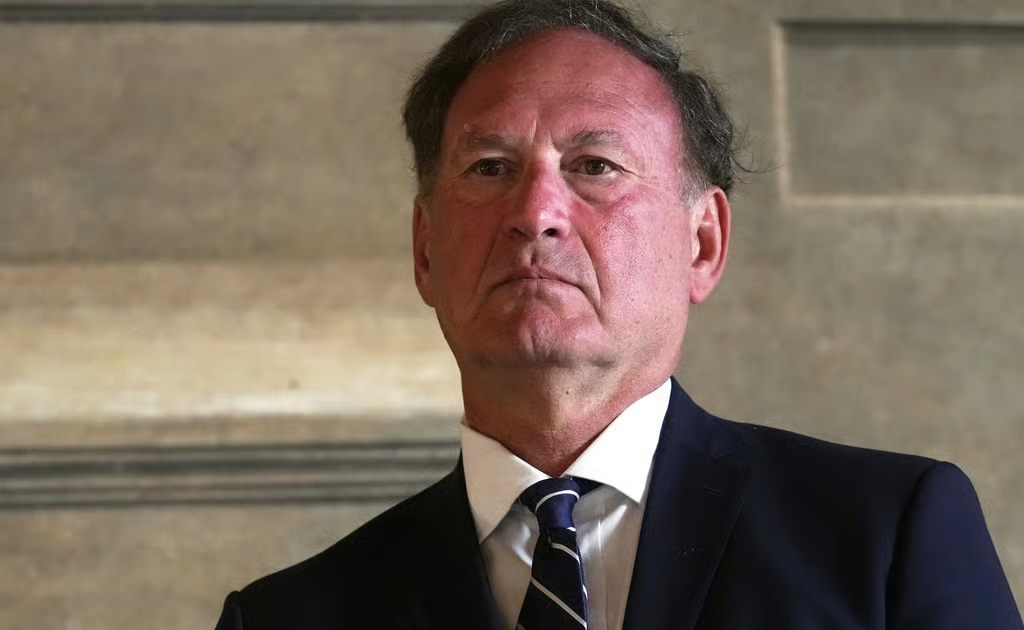
Justice Samuel Alito has recused himself from Suncor v. Boulder, a landmark climate lawsuit pitting the city of Boulder against ExxonMobil and Suncor. The decision, announced via a one-sentence letter from the court clerk, comes one week before oral arguments begin on October 5. Alito’s recusal follows intense scrutiny over his stock holdings in other oil companies, including ConocoPhillips and Phillips 66, which could benefit from a ruling that shields the fossil fuel industry from liability. With Alito stepping aside, the court faces a potential 4-4 split, which could leave the legal questions unresolved and allow similar state-level climate lawsuits to proceed.
A federal judge in Honolulu dismissed the Trump administration’s bid to block Hawaii from suing oil companies over climate change, ruling the government lacked standing and that its claims rested on abstract, speculative harm; the suit was dismissed with prejudice, preventing refiling.
President Trump's administration moved to rescind the EPA's endangerment finding, a bedrock basis for regulating greenhouse gases under the Clean Air Act, triggering planned lawsuits by environmental groups and Democrat-led states that are likely to reach the Supreme Court as the Court shifts conservative, with years of litigation ahead that could reshape how U.S. climate policy is enforced and challenged.
In 2025, significant legal victories have been achieved worldwide in climate justice, including rulings against fossil fuel projects, greenwashing lawsuits, landmark international court opinions, and policy changes aimed at reducing emissions and protecting the climate, marking a decade of evolving legal efforts to combat climate change.
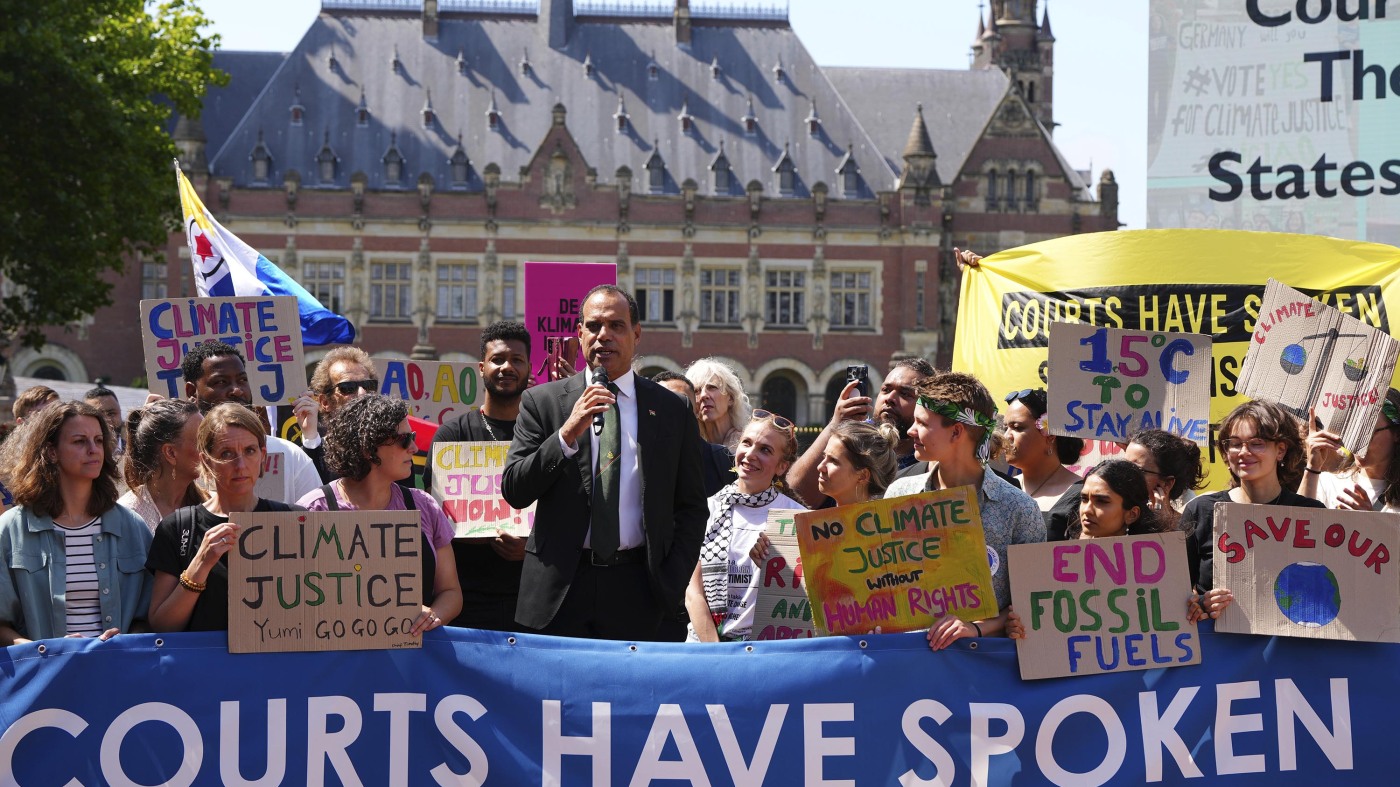
The International Court of Justice has issued a nonbinding advisory opinion stating that protecting the environment is a human right and that countries have a legal obligation to prevent climate change impacts, potentially enabling affected parties to sue high-emitting nations and increasing pressure for stronger climate action.
The International Court of Justice ruled that nations are legally obligated to act on climate change and could be held responsible for damages, marking a significant but advisory milestone that may influence future climate litigation and negotiations, especially for vulnerable small island nations like Vanuatu.
A landmark UN court ruling at the International Court of Justice allows countries to sue each other over climate change damages, recognizing the right to seek compensation for climate-related harm, especially for vulnerable nations, though the decision is advisory and the issue of damages remains uncertain.
The Inter-American Court of Human Rights issued a landmark advisory opinion affirming that nations have a legal duty to protect the climate and human rights, emphasizing the need for urgent action to reduce environmental harm and prevent irreversible climate damage, which is expected to influence climate justice efforts across the Americas and beyond.