
The Ethical Implications of Airborne DNA Identification
TL;DR Summary
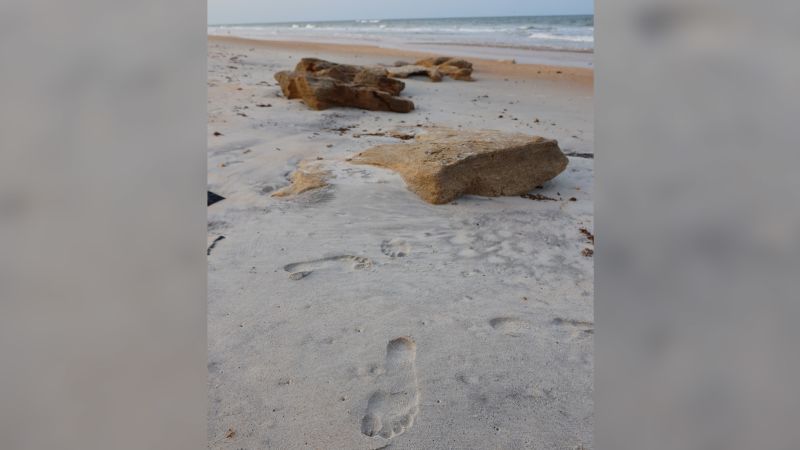
Scientists have been able to collect and analyze detailed genetic data from human DNA found in the environment, including air, soil, sediment, water, permafrost, snow, and ice cores. This could have unintended consequences such as privacy breaches, location tracking, data harvesting, and genetic surveillance of individuals or groups. However, it could also aid in finding missing persons, forensic investigations, archaeological discoveries, and health monitoring. The study raises ethical questions about consent, privacy, and security when it comes to our biological information.
Topics:top-news#dna#endangered-species#environmental-dna#genetic-data#privacy#science-and-technology
- Human DNA can now be pulled from thin air or a footprint on the beach. Here’s what that could mean CNN
- Your DNA Can Now Be Pulled From Thin Air. Privacy Experts Are Worried. The New York Times
- University of Florida scientists discover airborne DNA that could identify criminals The Telegraph
- Humans are leaving their DNA everywhere — and it could lead to ethical issues Irish Examiner
- View Full Coverage on Google News
Reading Insights
Total Reads
0
Unique Readers
12
Time Saved
4 min
vs 5 min read
Condensed
91%
914 → 81 words
Want the full story? Read the original article
Read on CNN