
Wolf-stomach tissue yields woolly rhino genome, reshaping ice-age extinction story
TL;DR
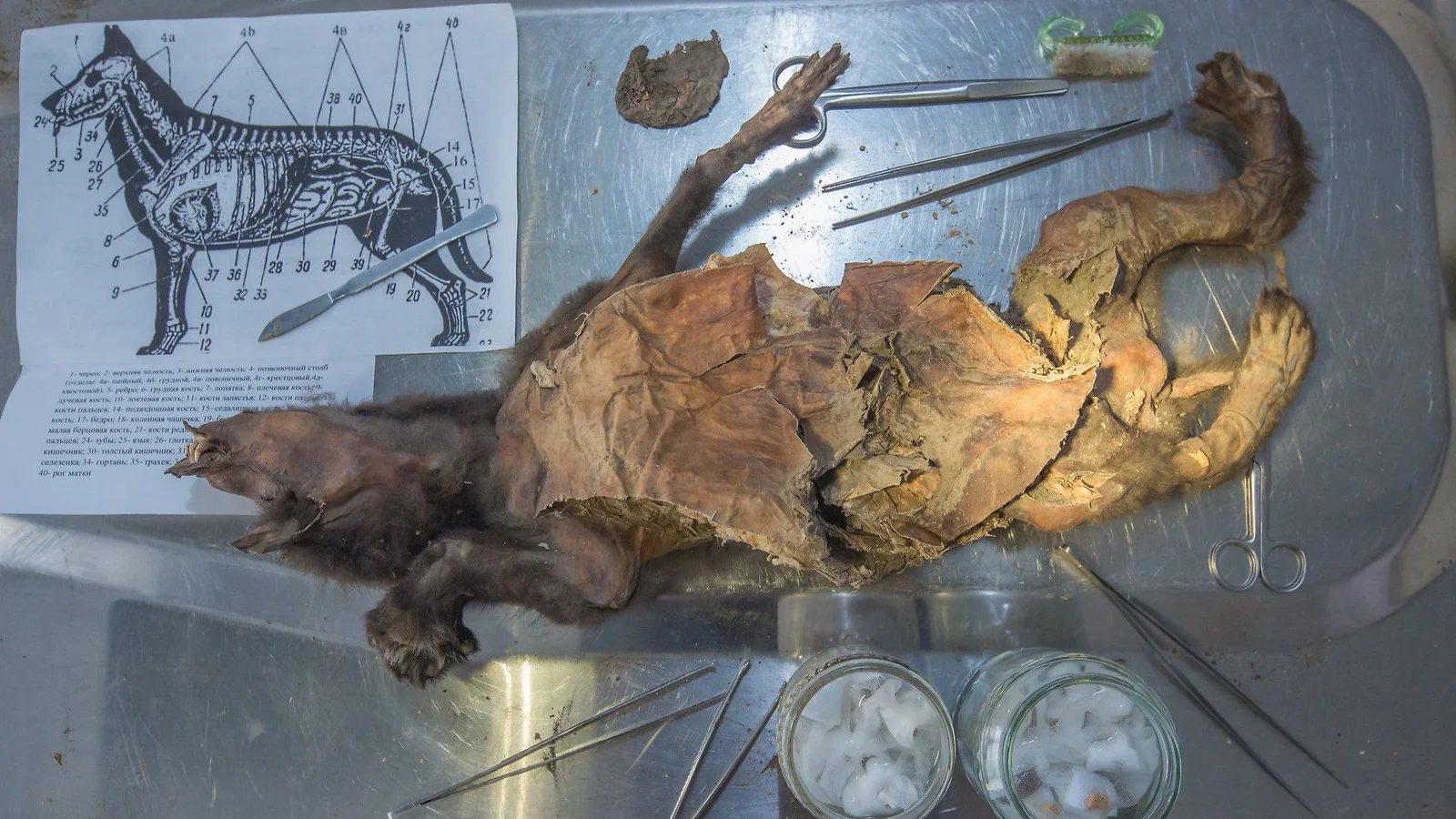
Scientists sequencing the woolly rhino genome from preserved muscle found in a 14,400-year-old wolf pup’s stomach reveal the rhino population remained viable in northern Siberia until near the end of the Ice Age, with extinction likely driven rapidly by climate warming rather than human hunting.
- Woolly rhino flesh pulled from ancient wolf stomach gives clues to ice age giant's extinction Live Science
- What a Wolf Pup’s Stomach Revealed About the Woolly Rhino’s Extinction The New York Times
- New DNA analysis reveals an ice age wolf’s last meal CNN
- Wolf’s dinner preserved in Siberia for 14,400 years sheds light on woolly rhino The Guardian
- In the stomach of a mummified wolf pup, scientists find DNA from a woolly rhinoceros NBC News
Want the full story? Read the original reporting
Read on Live Science