
FBI Confirms North Korean TraderTraitor Unit Behind Record $6.3B Binance Heist
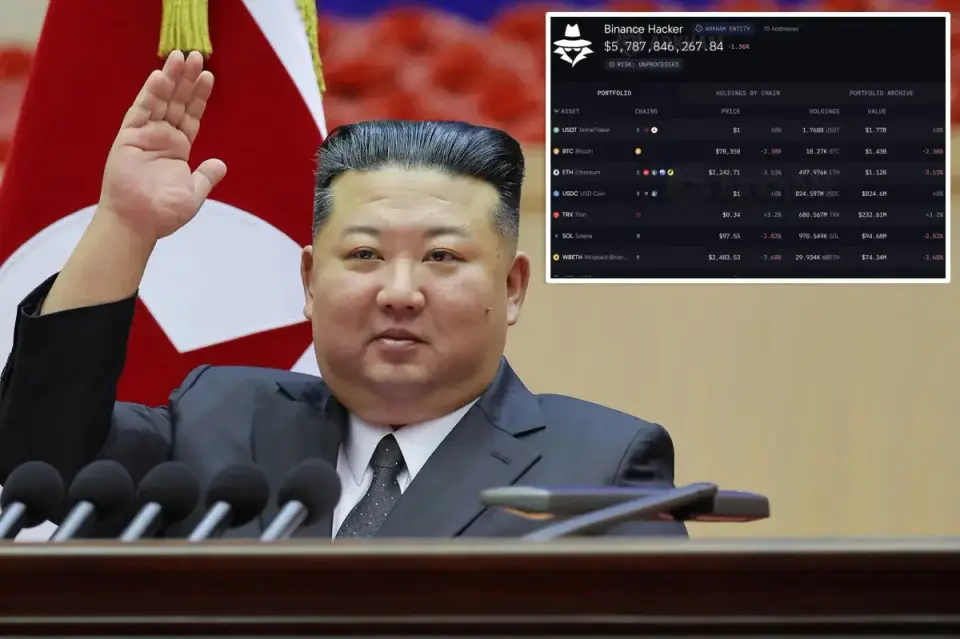
The FBI has officially attributed the theft of $6.3 billion from Binance to North Korean hackers operating under the alias TraderTraitor. This incident marks the largest cryptocurrency heist in history. While Binance has frozen a significant portion of the stolen assets and pledged to reimburse customers, authorities warn that the remaining funds are being rapidly laundered through decentralized finance platforms.
Key points
- The FBI stated that the attack was orchestrated by the North Korean group TraderTraitor, which was also responsible for a $1.5 billion hack of Bybit in 2025.
- The theft occurred on October 29, 2026, involving approximately $6.3 billion in Bitcoin and other digital currencies over a period of roughly 20 minutes.
- Binance reported that it had sufficient reserves to cover 90% of the missing assets and promised full reimbursement to affected users.
- The FBI requested blockchain analytics firms and exchanges to block transactions linked to specific addresses to prevent money laundering.
- President Donald Trump expressed uncertainty regarding the North Korean connection during a public appearance, stating that investigators were still determining the perpetrators.
Background
Initial reports from October 30, 2026, indicated that Binance suffered a massive breach, with the exchange initially citing a compromised laptop as the entry point. However, blockchain intelligence firms quickly identified the attack as a sophisticated operation by the TraderTraitor unit, noting that the theft spanned ten blockchains. Previous coverage highlighted that while Binance froze approximately 44% of the stolen funds, a significant portion remained untraceable, raising concerns about the vulnerability of centralized exchanges to automated, AI-assisted attacks.
How outlets are covering it
The New York Post and The New York Times both confirm the scale of the theft but emphasize different aspects of the response. The Post highlights the FBI’s definitive attribution to North Korea and the subsequent law enforcement actions to freeze assets, while also noting President Trump’s public skepticism about the North Korean link. The Times focuses on the operational details, describing how Binance executives established an informal 'war room' on their internal messaging system to coordinate the response. While the Post emphasizes the geopolitical angle and the FBI's stance, the Times provides insight into the internal crisis management and the rapid, high-speed nature of the digital robbery.
Why it matters
This event represents a critical turning point in cryptocurrency security, demonstrating that even the world's largest exchange is vulnerable to state-sponsored cyberattacks. The scale of the theft, at $6.3 billion, challenges the resilience of centralized exchanges and highlights the effectiveness of North Korean hacking units in leveraging automated tools for rapid asset laundering. The incident also underscores the ongoing tension between regulatory bodies and the decentralized nature of crypto, as authorities struggle to track and seize funds that are quickly moved through DeFi platforms.
What to watch
The FBI and blockchain analytics firms are expected to continue tracking the stolen assets as they are converted into Ethereum and moved through instant swap services. Experts predict that the laundering process will take months, with hackers breaking the funds into smaller pieces to evade detection. Binance will likely face increased scrutiny regarding its security protocols, while the FBI may pursue international cooperation to seize the remaining untraced assets.
- FBI blames North Korea for stealing $6.3B from Binance in biggest crypto heist in history New York Post
- How Binance’s $6.3 Billion Hack Went Down The New York Times
- Binance to resume withdrawals after recovering bulk of $6 billion in stolen funds Reuters
- Behind the Scenes of Crypto’s Biggest Nightmare: a Record-Breaking Cyber Heist WSJ
- How suspected North Korean hackers swiped billions in crypto in only minutes The Washington Post
Want the full story? Read the original reporting
Read on New York Post