
CoreWeave's Debt Crisis Tests Nvidia's $2B Stake
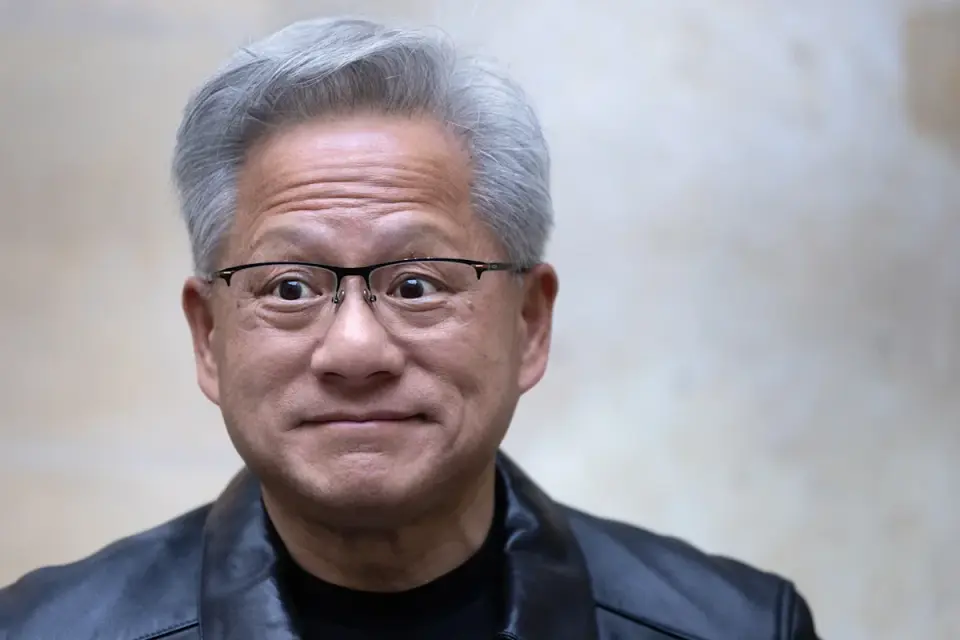
CoreWeave shares fell 15% on Wednesday and another 6% in pre-market trading Thursday as bond yields spiked to nearly 15%, raising fears about the sustainability of AI infrastructure debt. This volatility threatens Nvidia, which holds a 10% stake in CoreWeave and relies on it as a major customer for GPU sales. While some analysts view the move as a sign of a broader AI credit bubble, others argue the company's long-term business model remains viable despite current market panic.
Key points
- CoreWeave stock dropped 15% on Wednesday and 6% in pre-market trading Thursday, with bond yields reaching 14.8-14.9%.
- Nvidia holds 47.2 million shares of CoreWeave, representing approximately 10% ownership, following a $2 billion investment announced in January 2026.
- CoreWeave committed to building over 5 gigawatts of AI factories using Nvidia technology by 2030, creating a deep operational link between the two firms.
- Gartner forecast that over 80% of neocloud providers will cease independent operations by 2030 due to cost pressures and lack of differentiation.
- The sell-off extended to other AI infrastructure names, including Oracle, Nebius, and Dell, as investors reassessed AI debt loads.
Background
This crisis follows a broader AI sector sell-off in early October triggered by OpenAI's revenue miss, which highlighted discrepancies in reported figures. Recent archive coverage notes that CoreWeave's CEO previously dismissed the market reaction as 'irrational' and highlighted strategies to tap insurer capital for cheaper funding. The current volatility reflects growing investor anxiety over the AI industry's heavy debt load and rising borrowing costs, particularly after the 'easy money' era of the first nine months of 2026 began to dissipate.
How outlets are covering it
Yahoo Finance emphasizes the direct financial and operational entanglement between Nvidia and CoreWeave, noting that Nvidia CEO Jensen Huang cannot ignore the pressure given his company's 10% stake and CoreWeave's status as a major GPU customer. CNBC focuses on the broader credit market shift, highlighting that investor sentiment has moved from excitement to demanding more risk compensation, with Wells Fargo analysts noting that the 'era of easy money' is disappearing. While Yahoo Finance cites Bernstein's view that CoreWeave's business model is 'economically challenged,' CNBC points out that the sell-off is hitting shakier stocks outside the 'Magnificent Seven' hardest, suggesting a differentiation in market resilience. Both outlets agree that the spike in bond yields is a critical indicator of shifting investor confidence in AI infrastructure debt.
Why it matters
The CoreWeave crisis serves as a stress test for the AI infrastructure boom, revealing potential vulnerabilities in the debt-fueled expansion of data centers. If neocloud providers face insolvency, it could disrupt supply chains for GPU manufacturers like Nvidia and impact the broader tech sector's valuation. The situation also highlights the risks of concentrated credit exposure in AI, potentially leading to a reassessment of capital allocation strategies for hyperscalers and private credit markets.
What to watch
Investors will watch for any public comments from Nvidia CEO Jensen Huang regarding his confidence in CoreWeave, given his financial interest. Market participants will also monitor whether bond yields stabilize or continue to rise, which could trigger further sell-offs in AI infrastructure stocks. Additionally, the impact of Gartner's forecast on neocloud consolidation may lead to strategic shifts in how AI companies finance their operations, potentially moving away from heavy debt reliance.
- Why CoreWeave stock panic matters to Nvidia, explained in under 30 seconds Yahoo Finance
- CoreWeave Stock Sinks Again as AI Debt Panic Spreads. Will Nvidia Come to the Rescue? Barron's
- CoreWeave’s Brazen Dream Crashes Into Reality as Yields Top 15% Bloomberg.com
- CoreWeave shares tumble as bond yields near 15% on concern about AI borrowing binge CNBC
- CoreWeave CEO notes strong backlog in memo to reassure staff over market scrutiny Reuters
Want the full story? Read the original reporting
Read on Yahoo Finance