
Court Records Reveal 2007 Lawsuit Alleging Jensen Huang Threatened Staff with Violence and Sexual Remarks
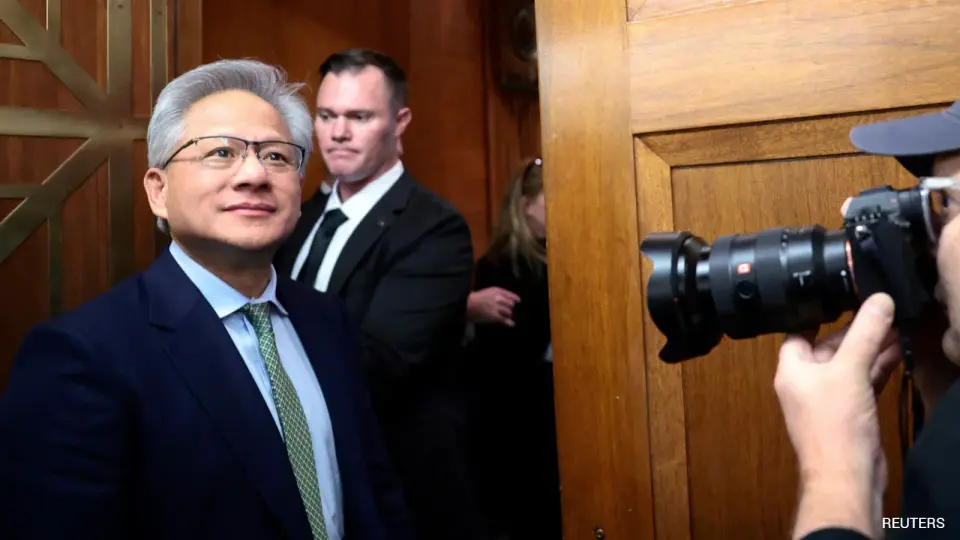
Court documents from a 2007 California lawsuit reveal that former Nvidia CEO Jensen Huang faced complaints from two employees regarding verbal abuse, threats of bodily harm, and sexually explicit comments. The filings, which predate his recent resignation, detail allegations that Huang intimidated staff through fear and humiliation, a management style he has historically defended as necessary for high performance. While Huang’s representatives dismiss these specific claims as false and outdated, the reports coincide with ongoing debates about his potential reinstatement and a separate Justice Department investigation into his personal relationships.
Key points
- Stephen Pettigrew, Nvidia’s first in-house lawyer, alleged in a 2007 lawsuit that Huang regularly screamed at employees, threatened them with extreme bodily harm, and made sexually oriented comments while performing sexual gestures.
- Pettigrew claimed he was fired for raising concerns about executive conduct, though Nvidia cited performance issues; the case was resolved via a confidential settlement in December 2009.
- Michael Winston, a senior HR vice president, filed a discrimination complaint in 2005 alleging he was fired after objecting to Huang’s abusive treatment and suspected sexual harassment; he received a confidential settlement of over $1 million.
- Huang’s representative called the allegations 'false,' noting they were made by two fired employees over 20 years ago, while thousands of current employees have shown support for him.
- The New York Times reported that Huang recently told subordinates that money alone could no longer motivate them, suggesting he used humiliation as a primary management tool as the company grew wealthier.
- Huang resigned in November 2026 following disclosures of affairs, including one with a suspected Chinese spy, and is currently facing a Justice Department investigation regarding those relationships.
Background
This story follows a series of recent reports detailing a decades-long pattern of alleged workplace misconduct by Jensen Huang. Previous coverage highlighted that Huang resigned on November 12, 2026, amid scandals involving personal relationships, including one with a suspected Chinese spy. The Nvidia board has rejected calls for his reinstatement, appointing Colette Kress as interim CEO. While some Silicon Valley allies, including Elon Musk and Chamath Palihapitiya, have defended Huang’s leadership style as effective despite its harshness, the company is currently navigating significant legal and security scrutiny.
How outlets are covering it
The New York Times and Bloomberg emphasize the systemic nature of Huang’s behavior, citing multiple witnesses and legal settlements to argue that humiliation was a routine management strategy. NDTV focuses on the specific legal details of the 2007 lawsuit involving Stephen Pettigrew and Michael Winston, highlighting the confidential settlements. Business Insider adopts a more editorialized tone, explicitly warning other CEOs against such behavior while acknowledging that some tech figures, like Chamath Palihapitiya, view Huang’s harsh methods as a proven path to success. Huang’s representatives uniformly dismiss the specific allegations as false and outdated, contrasting with the supportive stance of some current employees and industry allies.
Why it matters
These allegations provide historical context for the current crisis at Nvidia, suggesting that the behavior leading to Huang’s recent resignation is part of a long-standing pattern rather than an isolated incident. The reports complicate the debate over his potential reinstatement, as they juxtapose his controversial management style with serious legal and ethical concerns. Furthermore, the timing coincides with a Justice Department investigation into his personal relationships, raising questions about corporate governance and security risks at one of the world’s most valuable companies.
What to watch
The Nvidia board is expected to continue rejecting calls for Huang’s reinstatement while managing the transition under interim CEO Colette Kress. The Justice Department investigation into Huang’s relationships, particularly with a suspected Chinese spy, may yield further legal or regulatory consequences. Additionally, the outcome of any ongoing legal disputes or internal reviews regarding the company’s workplace culture will likely influence public perception and investor confidence in the company’s leadership transition.
- Nvidia HR Flagged Jensen Huang's Sexual Comments In 2005. He Was Fired NDTV
- How Jensen Huang Made Humiliation Routine at Nvidia The New York Times
- Nvidia Employees Complained About Huang’s Behavior Years Ago Bloomberg.com
- CEOs, do not threaten to pee on your employees — no matter how effective the results may be Business Insider
- Jensen Huang ‘humiliated his Nvidia staff in public’ The Telegraph
Want the full story? Read the original reporting
Read on NDTV