
Dbrand's Early Stock Spoils Apple's Foldable Debut
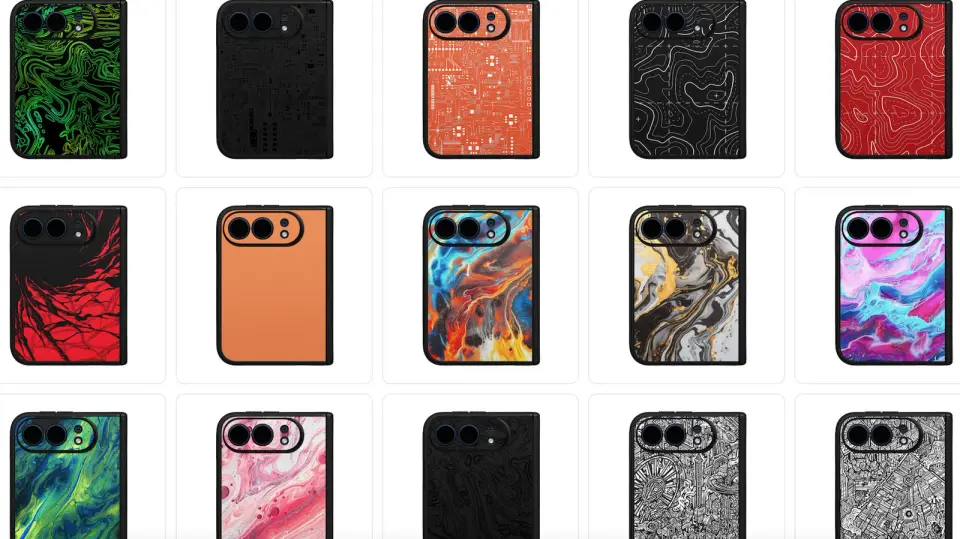
Apple is set to unveil its first foldable smartphone, the iPhone Ultra, at its September 9 event. Dbrand has already listed cases for the device, confirming its existence. The phone is expected to feature a wide, passport-style form factor and a price tag exceeding $2,000.
Key points
- Apple will announce the iPhone Ultra at its 'Surprise and Shine' event on September 9.
- Dbrand has listed nearly 50 cases for the device, confirming its design before the official reveal.
- The phone is expected to have a wide, foldable form factor similar to recent Samsung and Xiaomi models.
- Industry analysts predict a starting price of at least $2,000, with some estimates reaching $2,400.
- The device may not launch until late in the year due to manufacturing complexity and RAM shortages.
Background
Apple has been rumored to develop a foldable iPhone since 2017. Previous coverage indicated the device would feature a 7.8-inch inner display, a 2nm A20 Pro chip, and MagSafe charging. The September 9 event, titled 'Surprise and Shine,' was expected to include the iPhone 18 Pro and other hardware.
How outlets are covering it
Engadget highlights Dbrand's early case inventory as a spoiler for Apple's surprise. The Verge argues that Apple's entry into the foldable market is forcing Android competitors to adopt similar wide form factors. Mashable focuses on the practical challenges Apple must overcome to succeed in a niche market.
Why it matters
The launch of the iPhone Ultra marks Apple's first entry into the foldable smartphone category. Its success could shift the market standard and influence the design strategies of major Android competitors.
What to watch
Apple is expected to officially reveal the iPhone Ultra on September 9. Pre-orders may begin on September 12, but actual sales could be delayed until late 2026 due to supply chain issues.
- Dbrand Already Has iPhone Ultra Cases, Spoiling Apple's Surprise Engadget
- Apple’s $2,000-Plus Foldable iPhone Was a Decade in the Making Bloomberg.com
- Apple’s new CEO John Ternus expected to debut foldable iPhone at event Wednesday Yahoo Finance
- Apple says ‘Fold’ and competitors ask ‘how wide?’ The Verge
- Apple's first foldable: What it needs to get right Mashable
Want the full story? Read the original reporting
Read on Engadget