
Google Play blocks foldable app updates by 2027 to enforce screen optimization
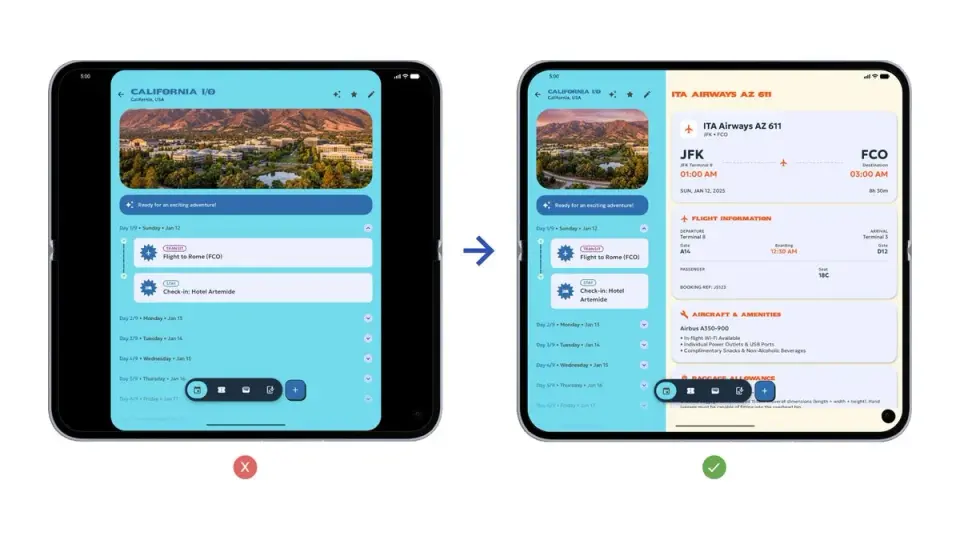
Google is enforcing mandatory foldable optimization standards for Android apps and games, with compliance deadlines set for April and August 2027. Developers failing to meet the new Tier 3 baseline will be blocked from publishing updates on Google Play, while those who comply may receive enhanced store visibility. The rules require apps to fill the entire inner display without black bars and preserve user state during folding or unfolding. Games receive an extended deadline but must submit foldable screenshots by April 2027. This move follows the recent launch of Apple’s iPhone Duo and aims to improve the user experience on devices like the Samsung Galaxy Z Fold 8 and Google Pixel 11 Pro Fold.
Key points
- Google Play will block updates for apps that do not meet the Tier 3 foldable baseline starting in April 2027.
- Games have until August 2027 to meet the same baseline, but must submit foldable screenshots by April 2027.
- The Tier 3 standard requires apps to fill the screen without letterboxing and preserve scroll position, text input, and media playback during folding or unfolding.
- Developers who meet higher Tier 1 or Tier 2 standards may receive premier badging and editorial spotlighting in the Play Store.
- Existing apps that are not updated will remain downloadable, but developers cannot publish new versions if they fail to comply.
Background
This policy follows Google’s earlier efforts to encourage foldable optimization, including ranking changes in 2023 and a Play Store badge introduced in April 2026. The new rules come shortly after Apple launched the iPhone Duo in October 2026, which also requires foldable screenshots by April 2027. Google’s move signals a shift from voluntary cooperation to mandatory compliance for large-screen Android devices.
How outlets are covering it
PhoneArena emphasizes the strict enforcement of the new rules, noting that non-compliant apps will be blocked from publishing updates, while Android Police highlights the potential for reduced visibility in the store. The Verge focuses on the technical requirements of the Tier 3 standard, such as preserving state during rotation and resizing. Android Authority provides a detailed breakdown of the three tiers, noting that Tier 1 includes advanced features like tabletop mode and 60fps performance for games. All sources agree that the deadlines are firm, but they differ in their emphasis on the consequences for developers who fail to comply.
Why it matters
This policy will significantly impact the user experience on foldable Android devices, ensuring that apps are properly optimized for the unique form factor. It also puts pressure on developers to update their apps, potentially leading to a more consistent and seamless experience for users of devices like the Galaxy Z Fold 8 and Pixel 11 Pro Fold. The move may also influence the broader Android ecosystem, as Google plans to extend these requirements to tablets and laptops in the future.
What to watch
Developers should begin preparing their apps to meet the Tier 3 baseline by April 2027, with games having until August 2027. Google will likely monitor compliance closely and may introduce further incentives for developers who meet the higher Tier 1 and Tier 2 standards. The company may also extend these requirements to other large-screen devices, such as tablets and laptops, in the coming years.
- Google Play puts Galaxy Z Fold 8 and Pixel 11 Pro Fold apps on the clock PhoneArena
- Google is forcing Android app developers to properly support foldables The Verge
- Google Play is about to crack down on app support for foldables Android Police
- Google’s mandatory foldable app guidelines are here, and optimized apps are coming in 2027 Android Authority
- Google wants all apps to be foldable-ready, and the shift goes into effect next year Digital Trends
Want the full story? Read the original reporting
Read on PhoneArena