
Meta’s $18B Settlement Forces Industry-Wide Shift in Teen Safety Standards
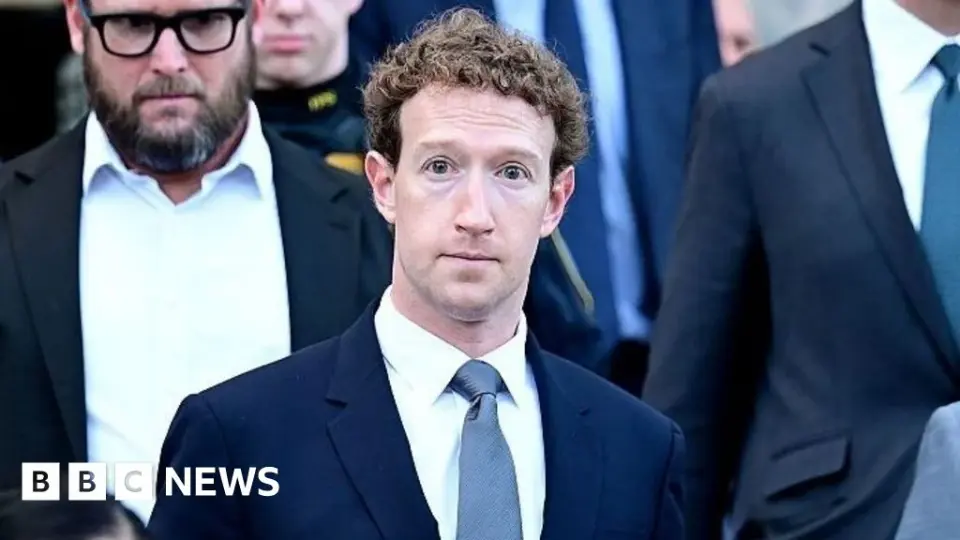
Meta has agreed to pay up to $18 billion to settle a multi-state lawsuit alleging its platforms harmed children. The deal mandates strict new safety features for teens on Facebook and Instagram, including daily time limits and hidden likes, and aims to pressure competitors like TikTok and YouTube to adopt similar standards.
Key points
- Meta settled with 29 US states for up to $18 billion to resolve claims that its platforms harmed children and mishandled data from under-13s.
- The settlement requires Meta to implement a two-hour daily usage limit for teens, mute notifications during school and night hours, and hide likes on posts.
- Meta is actively lobbying competitors like TikTok and Google to adopt these same safety standards, arguing that the measures are only effective if industry-wide.
- The deal avoids a worst-case penalty of $1.4 trillion but represents a significant concession after a brief trial where internal memos suggested Meta prioritized fines over safety changes.
Background
This settlement follows a series of high-profile legal actions against big tech in 2026, including a $567 million fine ordered by a federal judge earlier in the year. It also comes after Meta faced intense scrutiny over its internal safety tools, with whistleblowers claiming that leadership ignored warnings about harm to children on Instagram.
How outlets are covering it
While the BBC frames the settlement as a surprise that protects Meta’s core revenue streams, Politico emphasizes the strategic move to shame competitors into adopting the same rules. Both outlets agree that the settlement is a landmark moment for child safety, but they differ on the immediate impact: BBC notes the potential for a 'blander' social media experience, while Politico highlights the pressure on Congress to act after states took the lead.
Why it matters
This settlement sets a new regulatory baseline for the tech industry, potentially forcing all major social platforms to adopt strict teen safety measures. It also signals a shift in how child safety is enforced, moving from voluntary corporate policies to legally mandated standards with significant financial penalties for non-compliance.
What to watch
Meta must implement the new safety features within six months, with age verification tools taking up to a year. The company is expected to continue pressuring competitors to adopt similar measures, and other countries may soon follow the US lead in regulating teen social media use.
- Meta's $18bn settlement may hasten reckoning for social media on child safety BBC
- Meta to Pay Up to $17.1 Billion in Landmark Settlement Over Social Media Addiction Claims The New York Times
- Time limits and a midnight cutoff: Meta’s new rules for kids go further, but critics say not enough The Boston Globe
- How to Lose $12 Billion and Still Win The Atlantic
- Why Meta’s courtroom concession is a BFD Politico
Want the full story? Read the original reporting
Read on BBC