
Meta's Muse AI drives Schwab stock to July lows as privacy concerns mount
Meta's new AI agent, Muse, has surged to the top of the US App Store, downloading over 2.5 million times since its September 8 launch. While the tool excels at planning tasks like packing schedules and email drafting, it faces significant hurdles in autonomous shopping and financial management. The launch has triggered a sharp selloff in traditional brokerage stocks, with Charles Schwab falling 6% on Tuesday, as investors fear AI agents will disrupt legacy financial intermediaries. However, consumer skepticism remains high; privacy experts and surveys indicate that many Americans distrust Meta with sensitive data, particularly after past scandals. Meta's CEO Mark Zuckerberg is expected to address these concerns at the company's Connect conference this Wednesday.
Key points
- Muse is the most popular free app on the iPhone App Store, with over 2.5 million downloads since launch.
- Charles Schwab shares fell 6% on Tuesday, hitting their lowest point since early July, following Muse's announcement.
- Robinhood shares rose, reaching a new year-to-date high, as investors favor its AI trading capabilities.
- Meta's Muse can handle planning tasks but struggles with autonomous purchases on sites like Amazon and Target.
- Privacy concerns persist, with 41% of Americans having little confidence in large tech companies, according to Gallup.
Background
Meta launched Muse on September 8, 2026, as a personal AI agent powered by Muse Spark models. The service offers free and paid tiers, emphasizing privacy through isolated cloud environments and opt-out training data. It was designed to compete with OpenAI's ChatGPT and Google's Gemini by performing complex tasks like booking appointments and managing finances. The launch followed a period of regulatory scrutiny and broader industry moves toward autonomous AI assistants.
How outlets are covering it
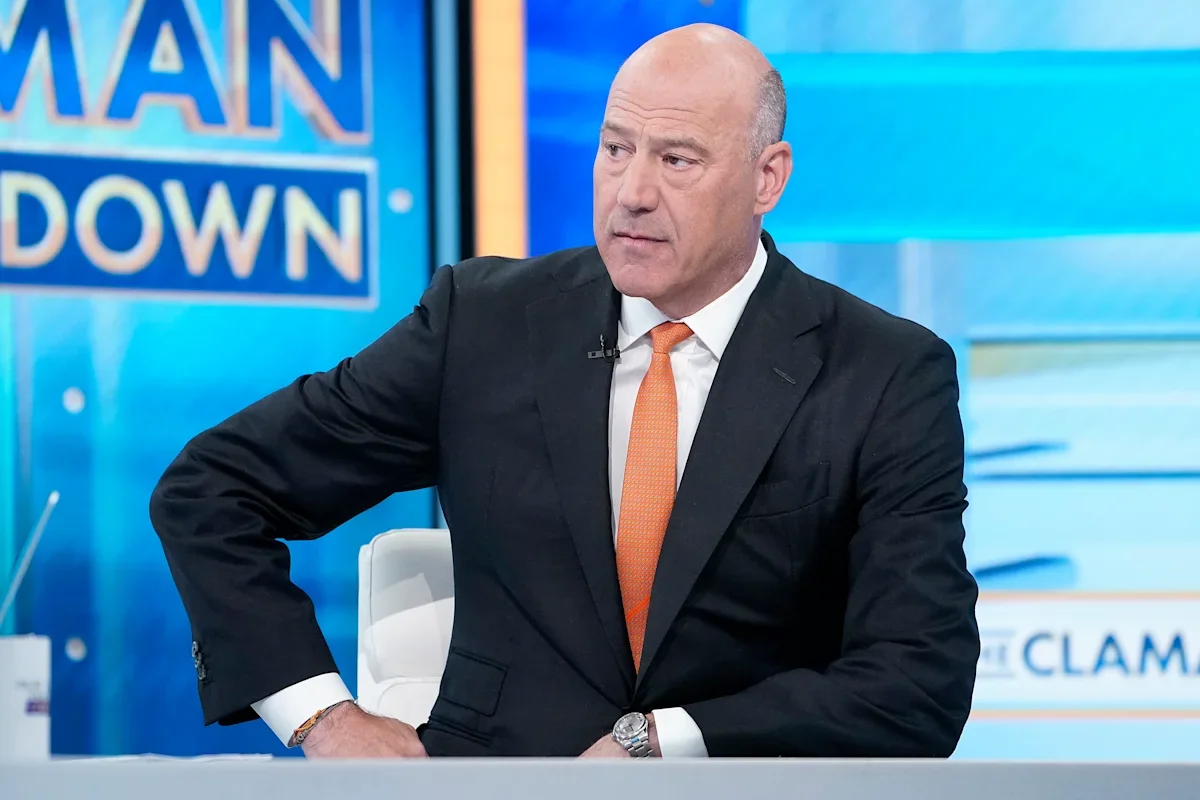
CNN highlights Muse's utility in planning tasks but notes failures in autonomous shopping and exaggerated capabilities, such as negotiating on Facebook Marketplace. CNBC focuses on the market impact, noting that Muse's launch caused a significant selloff in brokerage stocks like Schwab and LPL Financial, while Robinhood benefited. Yahoo Finance features a quote from Gary Cohn expressing discomfort with giving up personal data, reflecting broader consumer privacy concerns. Bank of America analysts note that privacy and trust are key barriers to broader adoption, while Gartner reports that 64% of consumers believe AI shopping agents benefit corporations more than individuals.
Why it matters
The rapid adoption of Muse signals a shift in consumer behavior toward AI agents that act on their behalf, potentially disrupting traditional financial services and retail models. The stock market reaction indicates that investors perceive AI as a threat to legacy intermediaries, while the privacy concerns highlight a tension between convenience and data security. This could influence regulatory scrutiny and consumer trust in AI technologies.
What to watch
Meta CEO Mark Zuckerberg is expected to share more about Muse and the company's AI plans during the Connect conference on Wednesday. The long-term impact on brokerage and retail sectors will depend on consumer adoption rates and regulatory responses. Meta may expand Muse's features, including integration with Ray-Ban Meta glasses, and address privacy concerns to build trust.
- Gary Cohn on Meta's Muse: 'I'm not comfortable giving up my personal data' Yahoo Finance
- I Gave My Life Over to Meta’s A.I. Agent and Was Blown Away The New York Times
- Meta’s Muse Momentum Is Outrunning a Cooling Market WSJ
- Meta says its Muse AI agent can do things for you. I put it to the test CNN
- Meta's Muse reignites AI disruption fears. Traders are targeting this brokerage stock as next casualty CNBC
Want the full story? Read the original reporting
Read on Yahoo Finance