
Record El Niño linked to 451,000 projected heat deaths by 2027
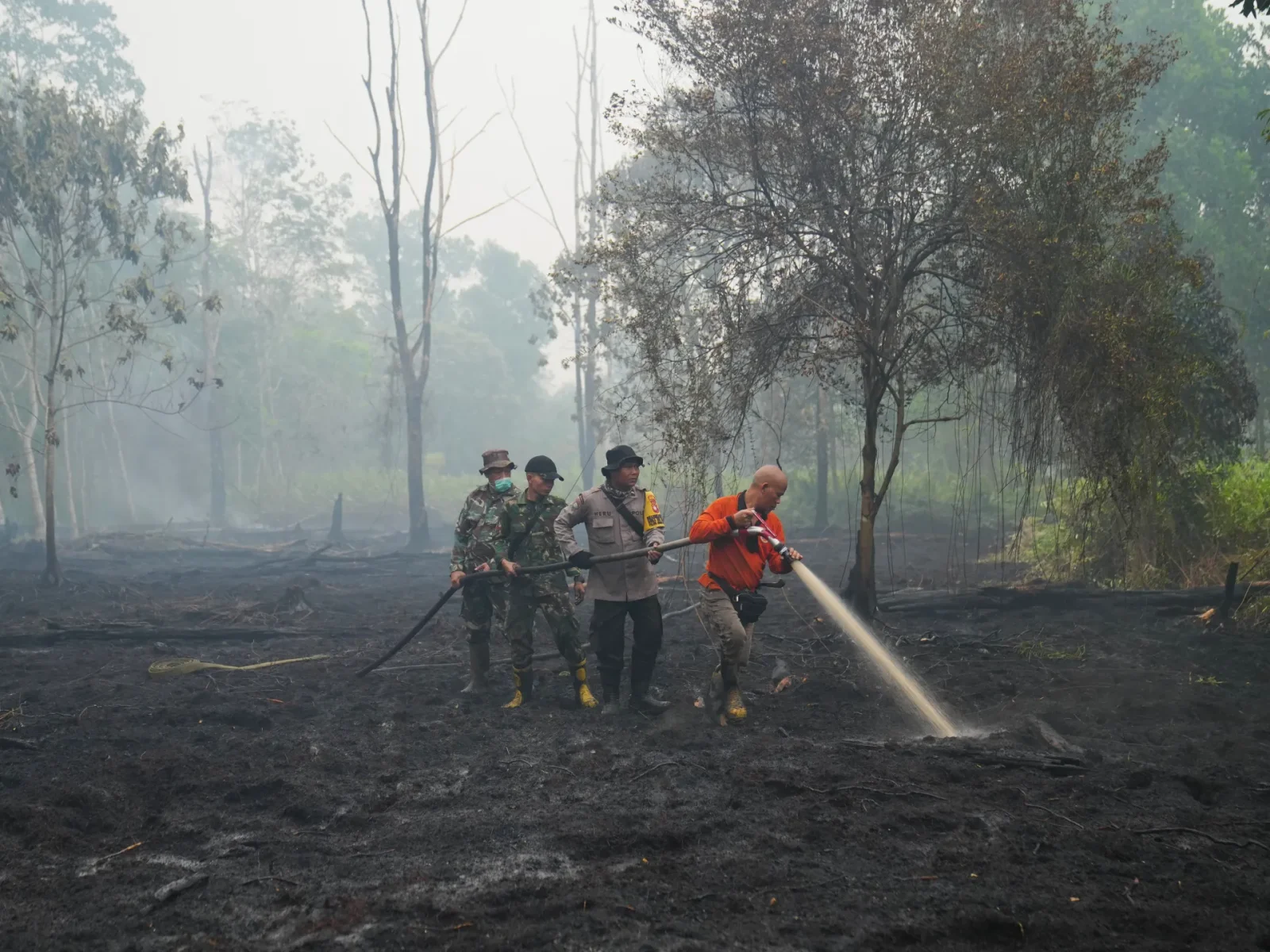
A new report by the Climate Impact Lab projects that the current 'super El Niño' will cause approximately 451,000 excess heat-related deaths globally between June 2026 and February 2027. The event has already broken temperature records, with Pacific sea surface temperatures reaching 3.05C above average, exceeding the 2015 record. Scientists warn that this phenomenon, amplified by human-caused climate change, is acting as a 'postcard from the future,' previewing conditions expected within two decades. The highest mortality risks are concentrated in the Global South, particularly in Nigeria, Indonesia, and the Sahel region, where infrastructure is less resilient. Experts urge immediate emergency measures, including heat warnings and cooling centers, to mitigate the crisis.
Key points
- The Climate Impact Lab estimates 451,000 additional heat-related deaths worldwide by February 2027, based on temperature forecasts and mortality data from 24,378 regions.
- The current El Niño is the strongest on record, with daily sea surface temperatures in the central Pacific reaching 3.05C above average, surpassing the previous record of 3.02C set in 2015.
- Nigeria is projected to suffer the most excess deaths (31,400), followed by Indonesia (19,300) and Sudan (17,600); the Sahel region alone is expected to see 66,800 additional fatalities.
- The event is described as a 'super El Niño' because ocean temperatures have exceeded 2C above average, with forecasts suggesting it could reach 4C by its peak in November or December.
- Recommended mitigation strategies include issuing heat warnings, expanding medical staffing during peak heat, establishing cooling centers, and protecting outdoor workers.
- The World Food Programme warns that El Niño impacts could push 50 million people into acute hunger, while the US is projected to face 3,500 additional heat deaths.
Background
This development follows earlier reports in August 2026 indicating the El Niño was strengthening rapidly and could become the strongest on record by year-end. Previous coverage noted potential economic risks and weather shifts, including drier conditions in the Northeast US and drought in Indonesia. Recent archive entries also highlighted how a warming planet is intensifying climate extremes, linking events like glacier avalanches in Nepal and humid nights in Los Angeles to the strengthening El Niño and broader climate change trends.
How outlets are covering it
Al Jazeera and The Guardian emphasize the 'super El Niño' as a preview of future climate conditions, with The Guardian noting the event broke temperature records months before its expected peak. CBC highlights the disproportionate impact on the Global South, citing the war in Iran and high energy costs as compounding factors for poorer nations. BBC focuses on the meteorological record-breaking nature of the event, noting that while daily sea surface temperatures have hit records, some longer-term measures like the Relative Oceanic Niño Index have not yet reached record levels. Experts like Akshay Deoras express skepticism about the exact regional distribution of deaths, while Tom Burke argues the 451,000 figure is a conservative estimate that does not account for deaths from fires, floods, or food inflation.
Why it matters
The projected 451,000 excess deaths underscore the immediate human cost of climate change and the intensifying effects of natural weather patterns. The report provides a critical tool for decision-makers to target emergency resources to vulnerable regions, potentially saving lives in the coming months. It also highlights the urgent need for long-term adaptation strategies, as current extreme temperatures may become the new normal within two decades. The event’s impact on global food supplies and economic stability further illustrates the interconnected risks of climate instability.
What to watch
Scientists expect the El Niño to peak between November and December 2026, potentially reaching 4C above average. Elevated heat deaths are expected to continue until June or July 2027, even after the El Niño ends. Governments are urged to implement anticipatory financing and emergency measures, such as heat warnings and cooling centers, to mitigate the impact. Long-term efforts must focus on reducing fossil fuel emissions to prevent such extreme conditions from becoming the baseline climate.
- Scientists warn super El Nino could cause 450,000 deaths: Should we worry? Al Jazeera
- Huge El Niño projected to cause more than 450,000 deaths by February The Guardian
- El Niño-driven heat could cause half a million extra deaths, report says. Here's where CBC
- What a historic super El Niño ahead means for your fall and winter The Weather Channel
- Developing El Niño becomes strongest on record weeks before expected peak BBC
Want the full story? Read the original reporting
Read on Al Jazeera