
Microsoft commits to Windows 11 memory optimization for 8GB PCs by late 2026
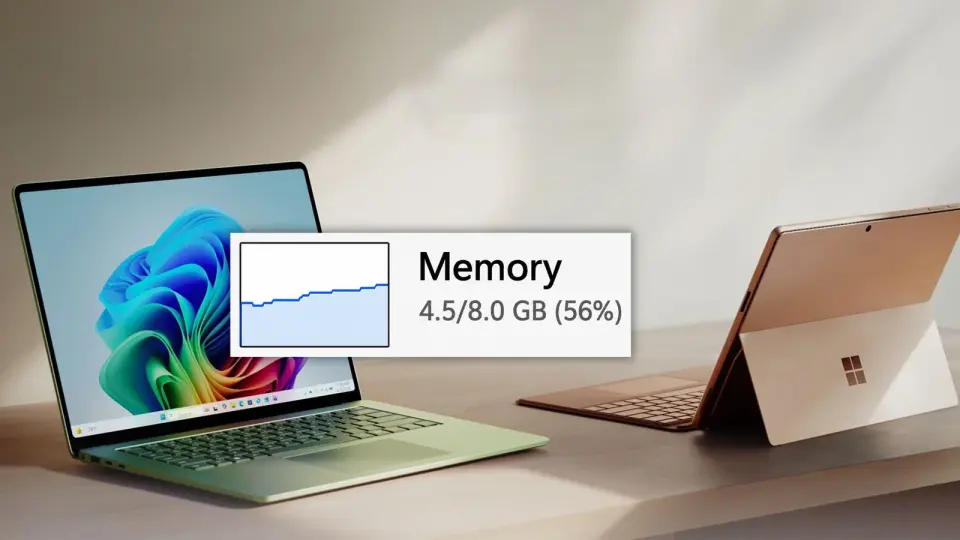
Microsoft has officially confirmed that Windows 11 is a memory-intensive operating system, promising specific optimizations for PCs with 8GB of RAM or more by the end of 2026. Pavan Davuluri, President of Windows and Devices, outlined four key focus areas for the remainder of the year: memory efficiency, onboarding, family features, and voice interaction. The company aims to reduce the OS footprint by transitioning away from heavy WebView2 components toward the lighter WinUI 3 framework. This move follows criticism that 8GB configurations are insufficient for modern Windows 11, especially as Apple’s MacBook Neo demonstrates smooth performance on similar hardware. While Microsoft has already implemented some memory allocator improvements, user sentiment remains mixed, with many reporting no noticeable change or even degradation in performance.
Key points
- Microsoft confirmed Windows 11 memory optimization for 8GB RAM PCs and above is a priority through the end of 2026.
- Pavan Davuluri identified four focus areas: memory optimization, onboarding/setup, family controls, and voice interaction.
- The company is shifting UI components from WebView2 to WinUI 3 to reduce memory overhead and improve latency.
- Microsoft acknowledges that Windows 11 currently consumes significant RAM at idle, with 8GB systems often using nearly 6GB before apps launch.
- The initiative follows a March 2026 commitment to improve Windows quality and reliability, with updates rolling out to Insiders first.
- Apple’s MacBook Neo, which runs smoothly on 8GB RAM, has pressured Windows OEMs to offer similar configurations despite OS inefficiencies.
Background
In March 2026, Microsoft pledged to improve Windows 11 quality, focusing on performance and reliability. Recent reviews of 8GB RAM Surface Laptops highlighted severe performance issues, with memory usage often exceeding 6GB at idle. The industry has also faced a 'RAMageddon' crisis, with rising memory prices and supply shifts toward AI data centers. Microsoft previously recommended 32GB RAM for gaming but later removed that suggestion, while also launching 8GB Surface models despite earlier 16GB Copilot+ PC requirements. This new optimization effort aims to address these contradictions and improve the experience for budget and mid-range PCs.
How outlets are covering it
Windows Latest emphasizes the technical shift from WebView2 to WinUI 3 as a critical step to reduce memory bloat, noting that Microsoft is finally admitting the OS itself, not just apps, is the problem. PCWorld highlights the competitive pressure from Apple’s MacBook Neo, suggesting Microsoft’s move is a response to Apple’s efficient hardware-software integration. TechPowerUp presents a skeptical view, citing a poll where 46% of users felt no change and 36% felt Windows 11 was getting worse, despite Microsoft’s claims of 'substantial improvements.' Windows Blog provides the official corporate perspective, detailing specific progress in File Explorer, Taskbar, and driver quality, while framing the memory optimization as part of a broader 'quality first' initiative. All sources agree that the rollout will be gradual, starting with Insiders, but differ on the perceived urgency and effectiveness of the changes so far.
Why it matters
This optimization is crucial for the millions of users with 8GB RAM PCs, who have struggled with Windows 11’s high memory demands. A leaner OS could extend the lifespan of existing hardware, reduce the need for expensive RAM upgrades, and improve battery life on laptops. It also signals a potential shift in Microsoft’s strategy, moving away from bloated web-based interfaces toward native, efficient code. For the industry, it may set a new standard for OS efficiency, especially as AI workloads continue to drive up memory prices and demand.
What to watch
Microsoft plans to roll out these memory optimizations gradually through the end of 2026, starting with Windows Insider builds. Users should expect incremental updates rather than a single major fix. The company will continue to refine WinUI 3 and reduce WebView2 usage across the OS. Future updates may also include improvements to onboarding, family controls, and voice interaction. Users with 8GB RAM PCs may see better performance for everyday tasks, but local AI models will still require more memory. The long-term impact will depend on how effectively Microsoft can reduce the OS footprint without sacrificing features.
- Microsoft confirms Windows 11 is a memory hog, promises 8GB RAM PC optimization by end of 2026 Windows Latest
- Windows quality: an update on the commitment we made in March Windows Blog
- Microsoft Promises Better Windows 11 Memory Efficiency techpowerup.com
- Windows 11’s next big priority: Making 8GB PCs less painful to use PCWorld
- Major Windows 11 update will soon make slow context menus a thing of the past Windows Central
Want the full story? Read the original reporting
Read on Windows Latest