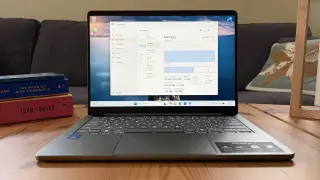
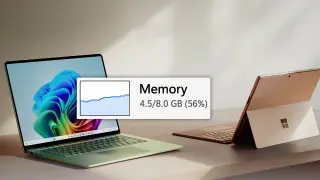
Microsoft’s Windows 11 26H2 update significantly reduces memory usage on 8GB laptops, with idle RAM dropping from 5.3GB to 4.1GB in independent tests. While the OS is now up to 20% more responsive for basic tasks, heavy workloads still cause performance issues, though improvements are better than a year ago.
Microsoft has released a Windows 11 update (26H2, build 26300.9818) that significantly improves performance for PCs with 8GB of RAM. The update claims up to 20% better responsiveness and 40% faster multitasking through enhanced memory compression and reduced app footprints. Key changes include keeping up to 2GB more active data in memory, faster Edge tab sleep times, and lower memory usage for Microsoft 365 apps.
Microsoft released a new Windows 11 update on November 3, 2026, claiming that the operating system is now up to 40% faster for multitasking and 20% more responsive on PCs with 8GB of RAM. The improvements stem from enhanced memory compression, which allows the system to keep up to 2GB more active data in memory, and reduced memory footprints for core applications like Edge and Microsoft 365. While Microsoft attributes these gains to internal lab tests, the update aims to address performance concerns on budget laptops amid rising hardware costs.
Microsoft is expanding its Windows 11 quality initiative to specifically target devices with 8GB of RAM or more, aiming to reduce memory footprint and improve responsiveness. The company has introduced a more efficient memory allocator and tuned WinUI 3, Chromium, and WebView2 components to lower overhead. These changes are part of a broader push to fix performance issues, including sluggish context menus and unreliable updates, with broader rollouts expected by the end of 2026.
Microsoft has officially confirmed that Windows 11 is a memory-intensive operating system, promising specific optimizations for PCs with 8GB of RAM or more by the end of 2026. Pavan Davuluri, President of Windows and Devices, outlined four key focus areas for the remainder of the year: memory efficiency, onboarding, family features, and voice interaction. The company aims to reduce the OS footprint by transitioning away from heavy WebView2 components toward the lighter WinUI 3 framework. This move follows criticism that 8GB configurations are insufficient for modern Windows 11, especially as Apple’s MacBook Neo demonstrates smooth performance on similar hardware. While Microsoft has already implemented some memory allocator improvements, user sentiment remains mixed, with many reporting no noticeable change or even degradation in performance.
Microsoft has globally refreshed the Surface Laptop 13-inch with an 8GB RAM entry model powered by a Snapdragon X Plus ARM chipset, a 50Wh battery, and a 400-nit, 1920x1200 display, starting at $949.99. Higher RAM configurations aren’t available for this ARM model, with more RAM options shown only on Intel variants.
Microsoft is rolling out 8GB RAM configurations for the Surface Pro 12-inch and Surface Laptop 13-inch (1st Edition) to bring prices down, with entry points at $849 and $949 and 256GB of storage. The unchanged models still use Snapdragon X Plus, and the 8GB variants don’t include Copilot+ AI features that require 16GB RAM. Windows 11 is being optimized to run on less memory, while higher-end 16GB RAM versions remain available at higher prices (about $1,499). A 60-day return window is offered for buyers testing the new configurations amid ongoing RAM/price pressures.
Parallels Desktop has been tested and shown to install and run Windows virtual machines on Apple’s new MacBook Neo. However, with only 8GB of RAM total, Windows VMs are viable only for light, occasional use; CPU- or GPU-intensive tasks are not recommended. For heavier Windows workloads, consider a MacBook Air with 16GB RAM (M5) or refurbished M4 models with 16GB.
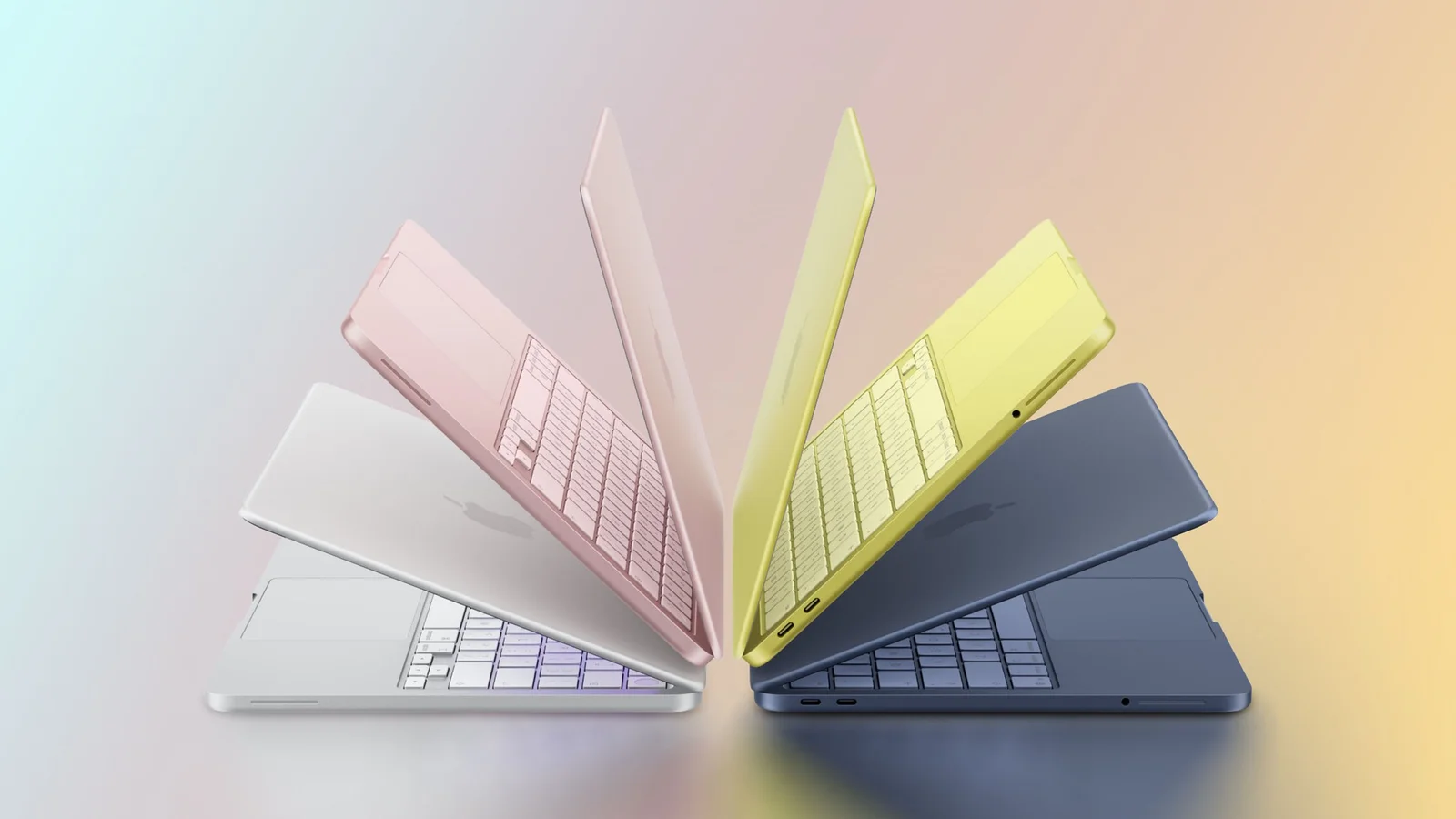
Apple says the MacBook Neo is a quintessential MacBook made from premium aluminum with its own personality, starting at $599 and available in colors like Blush and Citrus, but it includes compromises such as 8GB RAM, no MagSafe, a USB-C port limited to USB 2 speeds, and non-backlit keys, with pre-orders beginning March 4 ahead of the March 11 launch.
Sid Meier's Civilization VII is coming to Apple Arcade tomorrow, bringing the base game with mouse, controller, and touch support for iPhone, iPad, and Mac. At launch, multiplayer and DLC are not available. Large maps require devices with 8GB RAM. Apple Arcade also adds Felicity's Door, I Love Hue Too+, and Retrocade (the latter on Vision Pro as well). Apple Arcade costs $6.99/month and supports family sharing with no ads or in‑app purchases.
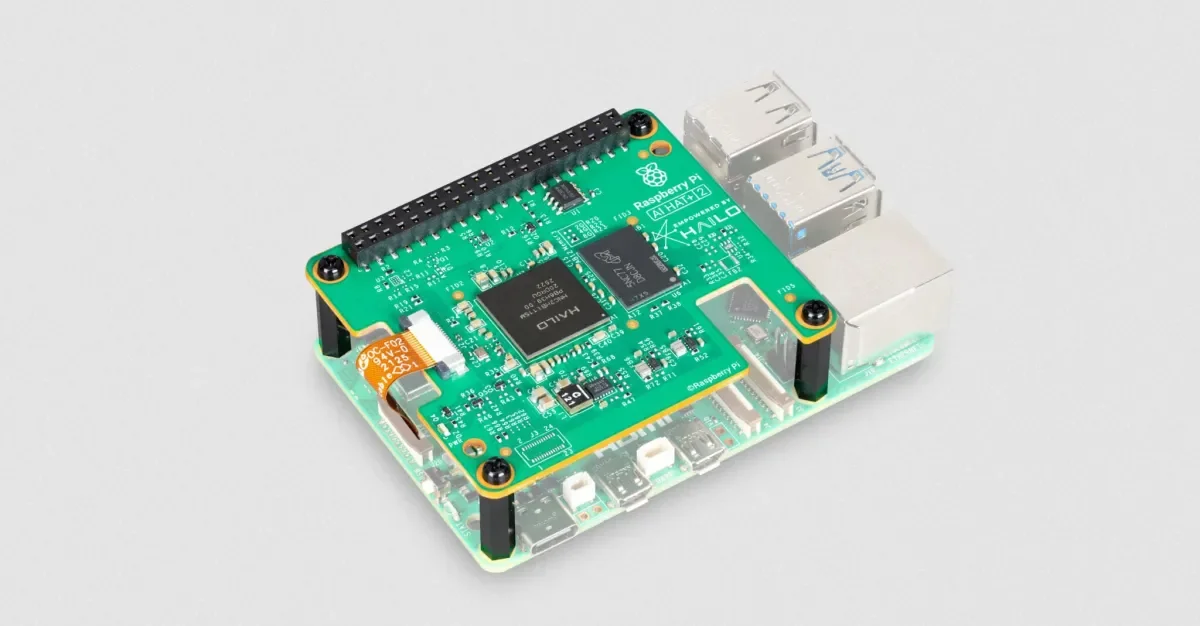
Raspberry Pi's AI HAT+ 2 adds 8GB RAM and a Hailo 10H chip to run small generative AI models locally on the Pi 5 (Llama 3.2, Qwen) with training support, at a $130 price, but independent tests suggest the Pi 5 with 8GB RAM often outperforms the add-on due to its higher power budget, making the upgrade less compelling than simply using a higher-RAM Pi or the cheaper AI HAT+ variant.
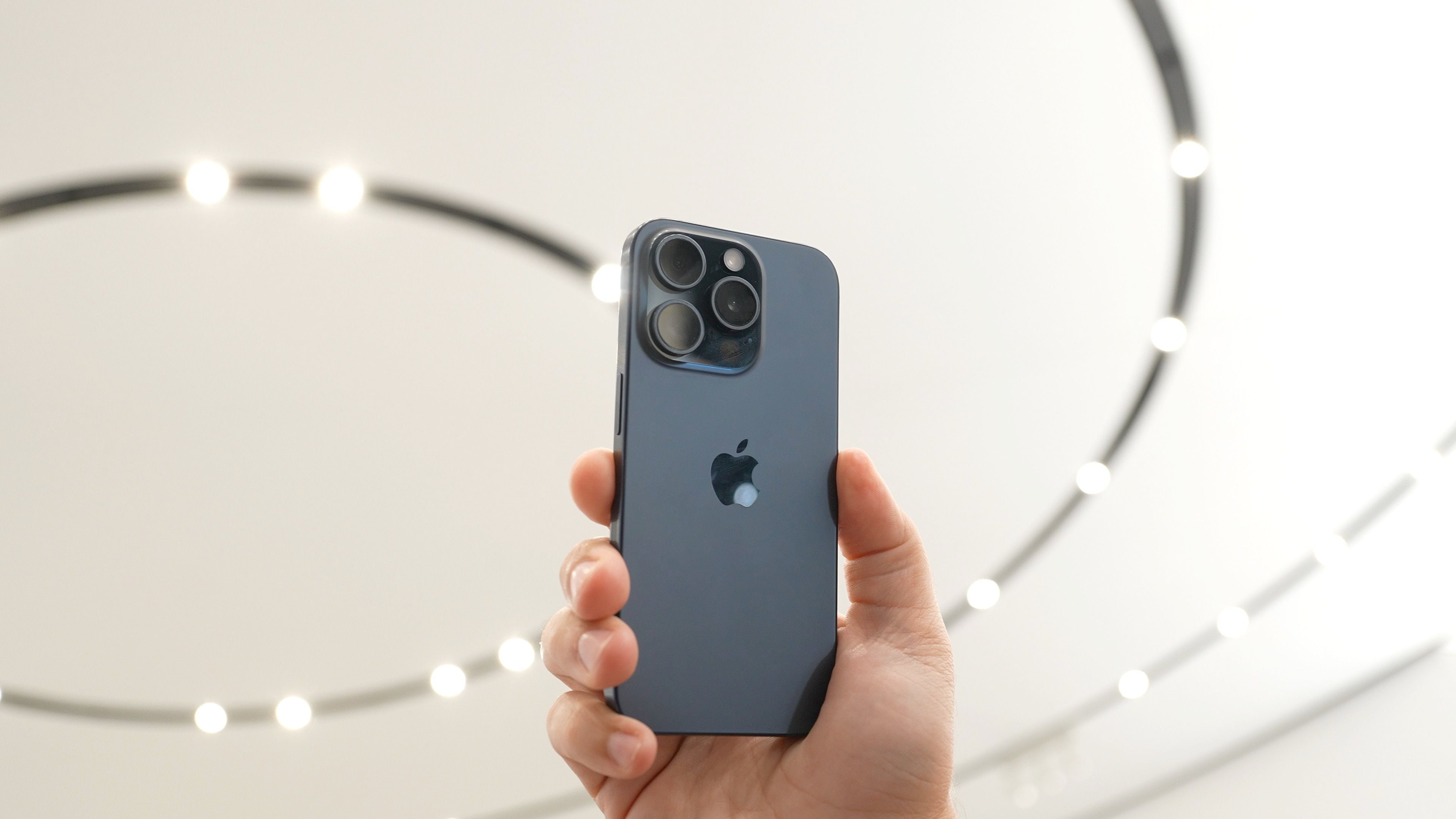
Geekbench scores for the iPhone 15 Pro confirm Apple's claims of improved performance with its new A17 Pro chip compared to last year's A16 Bionic chipset. The device scored higher in both single-core and multi-core tests, and it also features 8GB of RAM, an upgrade from last year's models. The A17 Pro chip boasts a 10% faster CPU performance, 20% faster GPU performance, and a two-times faster neural engine for machine learning tasks. The iPhone 15 Pro starts at $999 and is available for pre-order.