
Nvidia names interim CEO after Huang’s resignation, raising questions for AI financing
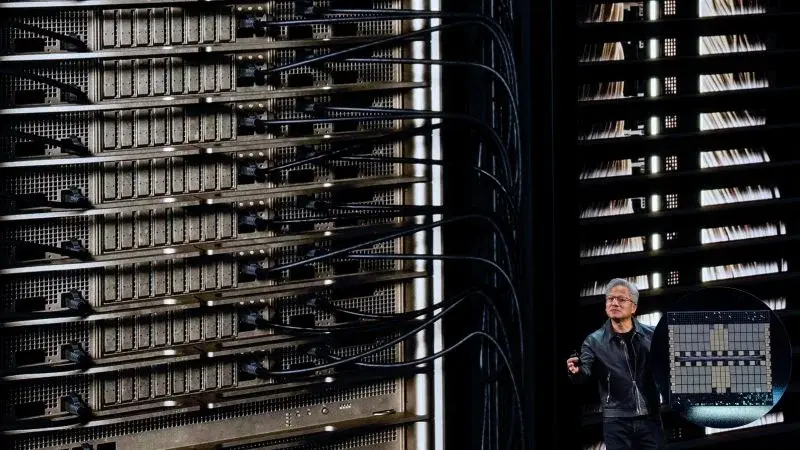
Jensen Huang resigned as Nvidia CEO on November 12, 2026, following a board investigation into alleged extramarital affairs and a potential foreign intelligence target. Colette Kress, the company’s CFO, was appointed interim CEO, while Harvey C. Jones became the first board chair. Huang’s departure removes a central figure who personally guaranteed major AI infrastructure deals, including a $105 billion commitment for OpenAI. Analysts warn that his exit could destabilize the 'circular financing' model that underpins the AI boom, though some argue the industry’s fundamental demand remains strong.
Key points
- Huang resigned effective immediately on November 12, 2026, after a board investigation into personal conduct and security concerns.
- Colette Kress, who has served as CFO since 2013, will act as interim CEO until a permanent successor is named.
- Harvey C. Jones, former CEO of Synopsys, was appointed as Nvidia’s first-ever board chair.
- Huang personally championed major deals, including a $105 billion commitment for an OpenAI data center and a potential $10 billion stake in Anthropic’s IPO.
- Nvidia’s stock fell 4.34% to $166.19 at close on November 12, though pre-market trading showed a 1.57% rise.
- Analysts describe Huang’s role as 'key-person risk,' noting that 60 employees reported directly to him with no succession plan in place.
Background
Huang’s resignation follows a rapid series of scandals in late 2026. In early November, reports emerged that he had an affair with Alice Huang, a former executive whom US intelligence agencies allege is a Chinese spy. This triggered a board investigation and significant stock volatility. Prior to this, Huang had been central to the AI boom, personally securing financing for data centers and positioning Nvidia as a financial backer for the industry. His departure follows a pattern of intense scrutiny on AI leaders, similar to previous concerns about national security and chip export loopholes.
How outlets are covering it
CNN emphasizes the structural risk to the AI ecosystem, noting that Huang acted as a 'central bank of AI' by guaranteeing deals and backing startups. Analysts like Jay Goldberg warn that without Huang, the 'circular financing' model may fracture, potentially slowing industry expansion. In contrast, Yahoo Finance highlights potential upside, arguing that the AI trade may prove more resilient without the 'cult of visionary founder.' Analysts like Dan Ives suggest the US tech industry remains ahead of China, while others compare the situation to Apple’s transition from Steve Jobs to Tim Cook, suggesting the company’s operational ethos may outlast its leader. Nvidia’s official statement focuses on continuity, asserting that operations and product roadmaps will continue without interruption under Kress’s leadership.
Why it matters
Huang’s departure exposes the fragility of the AI boom’s financing structure, which relied heavily on his personal credibility and dealmaking. While demand for AI remains high, with Anthropic’s revenue soaring 1,000% year-over-year, the loss of a key financial backer could increase costs for smaller companies and neoclouds. The transition to a more formal leadership structure may reduce the 'aggressive vendor financing' that characterized the industry, potentially leading to a more sustainable but slower growth phase. Investors are now watching whether Nvidia can maintain its role as the axis of AI infrastructure without its charismatic founder.
What to watch
Nvidia is expected to report its third-quarter fiscal 2027 financial results on November 17, 2026. The company will continue its search for a permanent CEO, considering both internal and external candidates. Markets will monitor whether the $105 billion OpenAI deal and other major commitments proceed as planned without Huang’s direct involvement. Analysts will assess if the 'circular financing' model can sustain itself or if it requires restructuring, potentially shifting capital allocation responsibilities to hyperscalers like Alphabet and Amazon.
- The AI boom was built around Jensen Huang. Now what? CNN
- Before His Ouster, Jensen Huang Belittled the Executive Replacing Him WSJ
- The Nvidia scandal has hidden upside potential for the AI trade Yahoo Finance
- EXCLUSIVE: Former Nvidia CEO Huang had a relationship with a second employee, sources say Reuters
- NVIDIA Announces CEO Transition NVIDIA Newsroom
Want the full story? Read the original reporting
Read on CNN